Sodium Tripolyphosphate (STPP): Industrial Applications, Grades and Market Demand
Sodium tripolyphosphate (STPP) remains an important industrial chemical because it helps detergent manufacturers manage hard water, improve soil removal and maintain cleaning performance. Its ability to bind calcium and magnesium ions makes it a valuable formulation ingredient, while its dispersing and sequestration properties support selected water-treatment and industrial processing applications.
For chemical traders, procurement managers and industrial buyers, understanding STPP requires more than comparing supplier prices. Product grade, purity, physical form, formulation compatibility and environmental regulations all influence which material suits a particular application.
As manufacturers adjust formulations to meet performance requirements and regional restrictions, buyers need to assess both the technical suitability of STPP and the markets where its use remains permitted.
What Is Sodium Tripolyphosphate and How Does It Work?
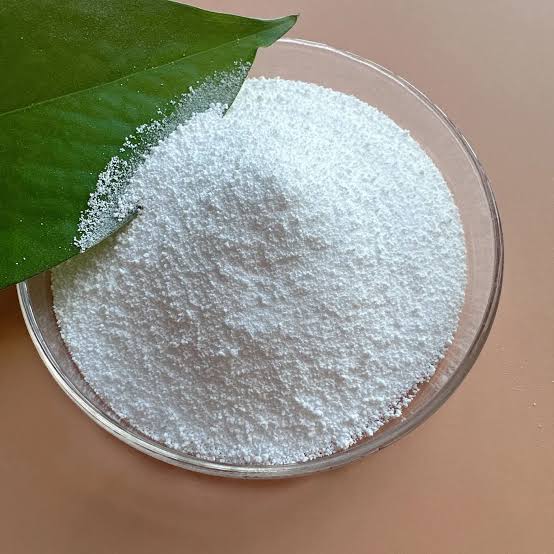
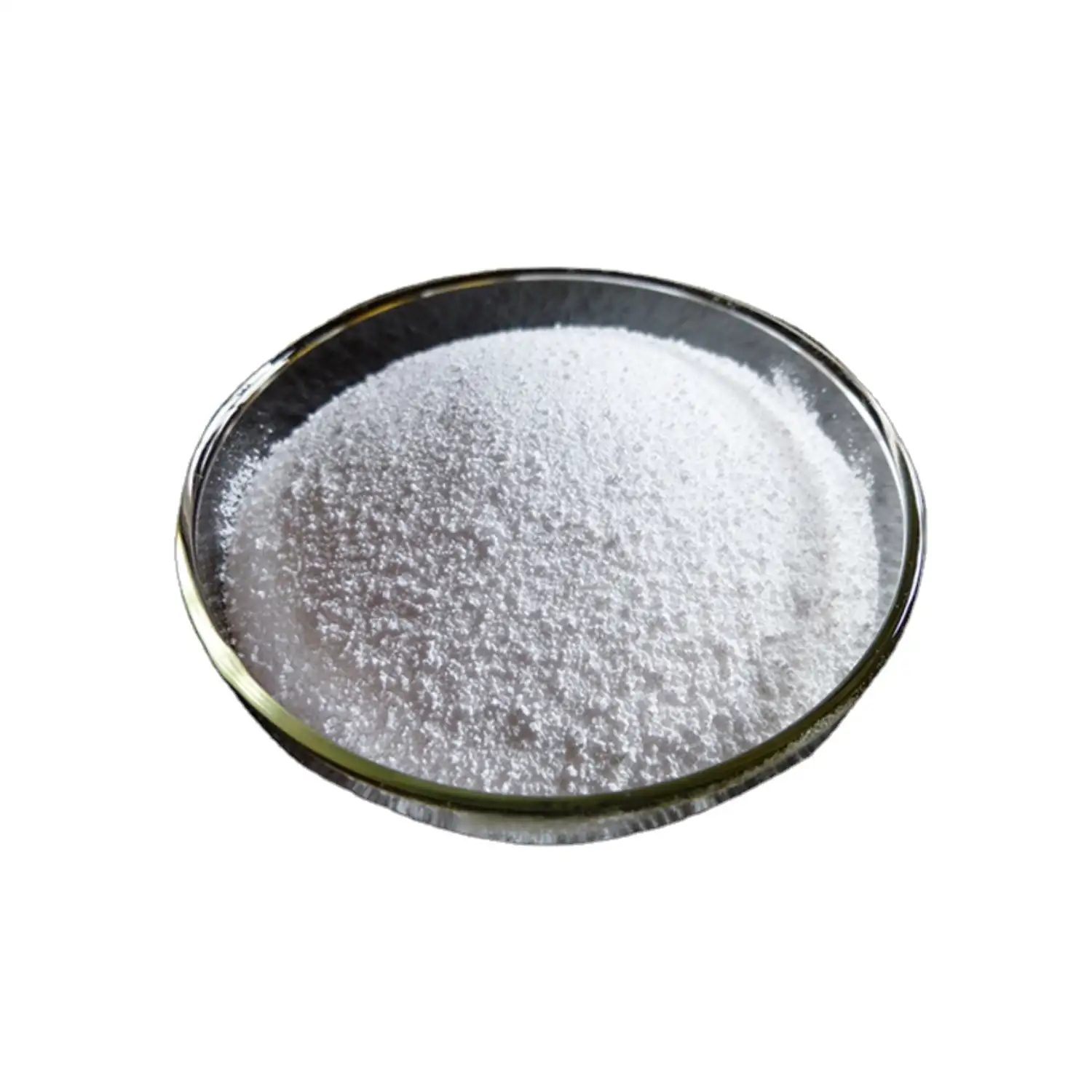
Sodium tripolyphosphate, commonly abbreviated as STPP, is an inorganic sodium polyphosphate with the chemical formula Na₅P₃O₁₀. Manufacturers produce it by heating a mixture of monosodium phosphate and disodium phosphate under controlled conditions, then cooling and milling the resulting material into powder or granules.
STPP functions primarily as a builder in detergent formulations. A builder supports the cleaning action of surfactants by reducing the effects of water hardness and helping maintain favorable conditions for removing dirt and grease.
Its main functional contributions include:
Water softening: STPP binds calcium and magnesium ions that can interfere with surfactant performance.
Soil dispersion: It helps keep loosened dirt suspended in wash water, reducing the likelihood of soil redepositing on cleaned surfaces or fabrics.
Scale and deposit control: It helps limit the formation of unwanted mineral deposits under suitable formulation conditions.
Formulation support: Its sequestration and buffering properties help detergent manufacturers maintain consistent cleaning performance.
These functions make STPP useful in applications where water quality, cleaning efficiency and formulation stability directly affect operating results. However, its effectiveness depends on dosage, water chemistry and the other ingredients present in the formulation.
STPP Applications in Detergents and Industrial Cleaning
Detergent manufacturing represents one of the most established application areas for STPP. Manufacturers incorporate it into selected laundry and dishwashing formulations to improve cleaning performance, particularly when water contains significant concentrations of hardness minerals.
Its role varies according to the product type and operating conditions.
Laundry detergents: STPP helps soften wash water, supports surfactant activity and assists in keeping removed soil suspended. These properties can improve washing consistency across different water-hardness conditions.
Automatic dishwashing detergents: In suitable formulations, STPP helps manage mineral ions and reduce deposits on dishes and equipment. Formulators must balance its concentration with the detergent's other ingredients and the requirements of the target market.
Industrial and institutional cleaners: Certain cleaning systems use phosphate builders to support soil removal and mineral control. Buyers should confirm that STPP suits the intended cleaning process and complies with the applicable rules for the product's end use.
Powder detergent production: STPP can also contribute to the physical characteristics of detergent powders, including processing behavior and the formation of spray-dried particles in suitable manufacturing systems.
Despite its established performance, STPP does not suit every detergent market. Restrictions on phosphate content can require manufacturers to reformulate products or evaluate alternative builders, making local regulatory knowledge an important part of procurement.
Water Treatment and Other Selected Industrial Uses
STPP also serves selected industrial processes beyond household cleaning. Its ability to interact with dissolved metal ions makes it useful in certain water-treatment systems, where polyphosphates can help control scale formation and reduce the release of metals from distribution-system materials.s
Industrial users may consider STPP for applications such as:
Water treatment: Selected systems use STPP alone or within phosphate blends to support sequestration and scale control. The appropriate product depends on water chemistry, treatment objectives and system-specific requirements.
Process cleaning: Certain industrial cleaning operations use phosphate-based formulations to manage mineral deposits and maintain cleaning effectiveness.
Ceramics and related processing: STPP can serve as a processing aid in selected formulations, where its dispersing properties may help control the behavior of suspended particles. Buyers should confirm the grade and formulation requirements with the end user.
Food processing represents another established application category, but it requires a suitable food-grade product and compliance with applicable food additive requirements. Industrial-grade STPP should never be treated as interchangeable with food-grade material simply because both share the same chemical identity.
Choosing the Right STPP Grade and Purity
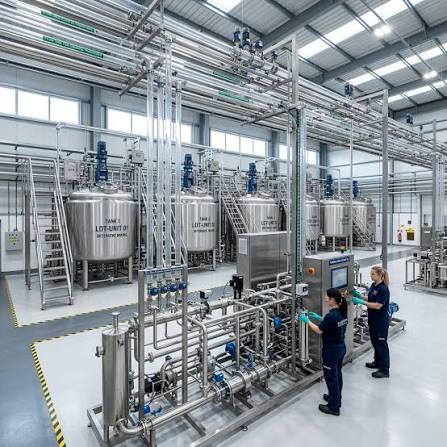
Selecting an appropriate STPP grade is one of the most important decisions for industrial buyers. A product that performs well in a detergent formulation may not meet the specifications or regulatory requirements of a food-processing or specialized industrial application.
Buyers should assess the following parameters before approving a supplier.
Chemical purity: Confirm the STPP content against the agreed specification and check the limits for relevant impurities. Purity requirements should reflect the intended application rather than a generic assumption that one grade fits all uses.
Physical form: STPP is available in powder and granular forms. Particle size, bulk handling behavior, dissolution performance and dust generation can influence production efficiency.
Moisture content: Excess moisture can affect storage stability, powder flow and handling. Buyers should compare the supplier's moisture specification with the manufacturer's processing requirements.
Solubility and dissolution behavior: Consistent dissolution matters when the chemical enters a liquid preparation or needs to distribute evenly through a detergent mixture.
Supporting documentation: Request a current certificate of analysis (COA), technical data sheet (TDS) and safety data sheet (SDS). Confirm that the documents identify the offered grade and batch.
The distinction between technical-grade and food-grade STPP deserves particular attention. Food applications may require additional purity controls, manufacturing documentation and compliance with relevant additive specifications, while technical applications follow the requirements of their specific industrial process.
A procurement team should also confirm whether the supplier's specification covers the exact product form required by the manufacturing line. Even when two products meet the same headline purity value, differences in particle size, moisture or handling properties may affect plant performance.
Formulation Compatibility and Quality Control
STPP rarely works in isolation. Detergent manufacturers combine it with surfactants, alkalinity regulators, builders and other ingredients to achieve the required cleaning performance, cost target and physical product characteristics.
Compatibility testing helps determine whether the selected STPP grade performs reliably in the complete formulation. Buyers should evaluate its dissolution, dispersion, interaction with other ingredients and behavior under expected processing and storage conditions.
For detergent and industrial applications, quality-control checks may include:
Comparing incoming batches against the approved COA and product specification.
Testing dissolution and mixing performance using the actual process water and production conditions.
Checking for visible contamination, caking or unexpected changes in appearance.
Evaluating finished-product performance before approving a new supplier or changing grades.
Manufacturers should also consider how processing conditions affect phosphate chemistry. Prolonged heating of STPP solutions can encourage conversion toward orthophosphate, so temperature and residence time may matter in certain applications.
A structured supplier qualification process helps buyers distinguish a low-cost material from one that consistently meets operational requirements. Trial quantities, batch traceability and documented acceptance criteria can reduce the risk of production interruptions.
Environmental Regulations and Market Access
Environmental requirements strongly influence demand for STPP, especially in detergent markets. Phosphorus released into surface waters can contribute to eutrophication, a process in which excess nutrients encourage algae growth and disrupt aquatic ecosystems.
Regulators in several jurisdictions have introduced restrictions on phosphates in consumer laundry and automatic dishwasher detergents. The European Union, for example, established limits on phosphorus content in these consumer products through Regulation (EU) No 259/2012. Requirements differ by product category and market, so buyers should verify the current rules before sourcing STPP for a particular destination.
These restrictions create several commercial considerations:
Regional demand differences: Manufacturers serving markets with strict phosphate limits may reduce STPP use or develop alternative formulations.
Application-specific rules: Restrictions applying to consumer detergents do not automatically establish the same legal position for every industrial use. Buyers must check the relevant application and jurisdiction.
Wastewater management: Industrial users should consider how phosphate-containing effluent interacts with local discharge permits and wastewater-treatment requirements.
Documentation and traceability: Importers and distributors should maintain accurate product descriptions, safety documentation and destination-specific compliance records.
Environmental concerns also influence formulation research. Alternatives such as zeolites, citrate-based builders and other phosphate-reduction systems may suit some products, although performance, cost and compatibility vary by application.
For traders, regulatory awareness is therefore a commercial advantage. Understanding the destination market can help prevent the purchase of material that a customer cannot legally use in its intended formulation.
What Drives STPP Demand and Sourcing Decisions?
STPP demand follows the needs of detergent manufacturers and selected industrial users, but its market position varies according to regional regulations, formulation choices and the availability of alternative ingredients.
Several factors influence purchasing decisions.
Detergent manufacturing requirements: Producers of phosphate-compatible detergents need a dependable supply of material that meets their technical specifications. Cleaning performance, batch consistency and manufacturing efficiency influence repeat orders.
Industrial water-treatment activity: Buyers operating suitable scale-control or metal-sequestration systems may require STPP as part of an established treatment program. Demand depends on the specific treatment chemistry and the operating needs of each facility.
Regulatory developments: Changes to phosphate limits can alter demand between regions and end-use categories. Suppliers that understand local compliance requirements can help buyers evaluate whether a product remains suitable for their intended application.
Input costs and supply continuity: Manufacturing costs, energy expenses, logistics and supplier availability can influence delivered prices. Buyers should compare quotations using consistent grade specifications, packaging, shipment terms and delivery schedules.
Substitution and reformulation: Where regulations or customer requirements favor phosphate-reduced products, manufacturers may move toward alternative builders. This shift can change purchasing volumes even when STPP remains technically effective.
Rather than relying on a single market-wide demand assumption, traders should assess individual customer segments. Detergent manufacturers, industrial cleaning formulators and water-treatment buyers can have different specifications, purchasing cycles and regulatory constraints.
What Procurement Teams Should Prioritize
For procurement managers, successful STPP sourcing begins with a clear understanding of the end use. Buyers should confirm the required grade, technical specification and destination-market rules before comparing offers.
A practical sourcing checklist includes:
Verify supplier quality: Request batch-specific COAs and confirm that the stated purity and physical properties meet the purchase specification.
Compare total delivered cost: Evaluate the quoted price alongside freight, packaging, insurance, import duties and delivery reliability.
Check storage and handling: Keep STPP in sealed packaging in a dry environment to limit moisture exposure and caking during storage.
Assess supply continuity: Review supplier capacity, lead times, minimum order quantities and the availability of repeat shipments.
Confirm regulatory suitability: Check whether the intended application permits phosphate use and whether local documentation or labeling requirements apply.
Buyers should also avoid treating sodium tripolyphosphate and sodium hexametaphosphate as interchangeable products. Both belong to the sodium polyphosphate family, but their chemical structures and application characteristics differ. The correct selection depends on the process and its performance requirements.
Building a Reliable STPP Supply Strategy
STPP remains a useful industrial chemical for detergent formulations, selected water-treatment systems and other specialized processing applications. Its value comes from a combination of water-hardness control, sequestration and soil-dispersion functions, but these advantages must align with formulation requirements and applicable environmental rules.
For chemical traders and industrial buyers, the strongest sourcing strategy combines technical evaluation with supplier reliability, transparent documentation and market-specific compliance checks. Comparing these factors alongside price helps procurement teams make informed purchasing decisions and maintain consistent production.
Sodium Tripolyphosphate
SOURCE LINK : https://pubchem.ncbi.nlm.nih.gov/
Found this useful?