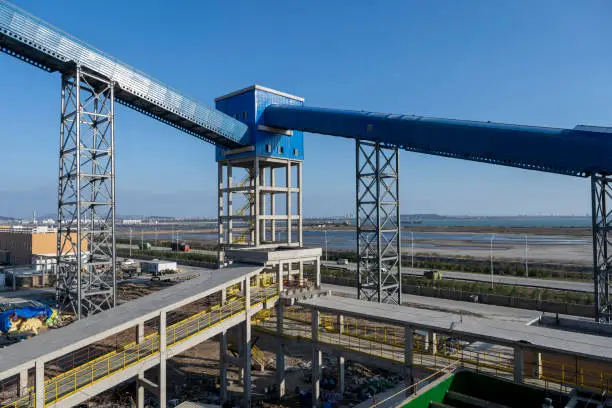
Solvay's Soda Ash Export Weakness Reflects Broader Global Trade Softness
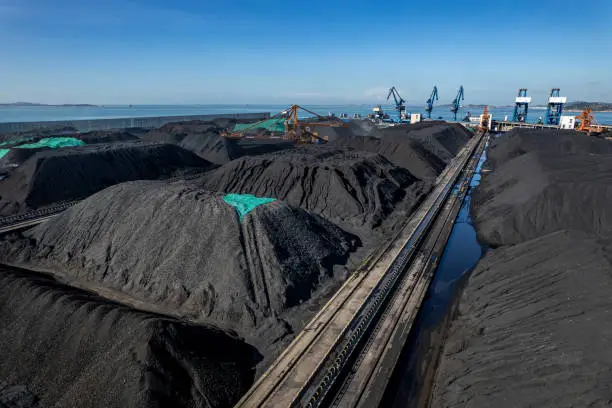
Solvay's Soda Ash Export Weakness Reflects Broader Global Trade Softness
Introduction
Solvay's soda ash business provides an important indicator of the broader challenges facing global chemical trade.
Soda ash is a fundamental industrial chemical used in glass manufacturing, detergents, chemicals, water treatment and other applications. Because demand is closely linked to construction, manufacturing and consumer activity, changes in soda ash trade can provide a useful signal about the health of the wider industrial economy.
Weak export conditions affecting major soda ash producers such as Solvay highlight a broader environment of uneven industrial demand, intense international competition and changing trade flows.
For chemical procurement teams, the trend is important because weaker exports can influence regional availability, pricing strategies, inventory levels and supplier competition.
Why Soda Ash Matters to Global Industry
Soda ash, or sodium carbonate, is one of the world's most widely used inorganic chemicals.
It is an essential input for:
Flat glass
Container glass
Solar glass
Detergents
Chemicals
Pulp and paper
Water treatment
Metallurgy
Glass manufacturing is particularly important because it accounts for a substantial share of global soda ash consumption.
This means changes in construction, automotive manufacturing and solar-panel production can directly influence soda ash demand.
Solvay's Position in the Soda Ash Market
Solvay is one of the world's major soda ash producers, with manufacturing operations serving customers across several regions.
The company operates both natural soda ash and synthetic soda ash production assets.
Its global footprint allows it to serve customers close to major consumption markets while also participating in international trade.
However, the soda ash market has faced challenging conditions as global capacity has expanded faster than demand in some regions.
Global Supply Has Increased
One of the major challenges for soda ash producers is the expansion of production capacity.
China has added significant soda ash capacity in recent years, increasing competition in international markets.
Additional capacity has also emerged in other regions.
When supply expands faster than demand, producers face pressure to:
Reduce prices
Increase exports
Lower operating rates
Protect market share
Optimize production
This creates a difficult environment for producers operating in higher-cost regions.
Export Weakness Reflects Softer Global Demand
Weak soda ash exports can indicate that international buyers are becoming more cautious.
Several major end markets have experienced uneven growth.
Construction activity has remained weak in some regions, while manufacturing has recovered only gradually.
This matters because glass demand is highly sensitive to economic conditions.
When construction and automotive production slow, demand for flat and container glass can weaken.
That can reduce downstream demand for soda ash.
Solar Glass Provides an Important Counterbalance
Not all soda ash demand is weak.
Solar-panel manufacturing has become an increasingly important source of glass demand.
The global energy transition is supporting investment in photovoltaic capacity, which requires substantial volumes of high-quality glass.
This creates a structural demand driver for soda ash.
However, rapid expansion of solar-glass manufacturing capacity can also create periods of oversupply.
Therefore, solar-related demand provides support but does not eliminate cyclical risks.
China Is Changing Global Trade Flows
China's growing soda ash production capacity is particularly important for international trade.
Large domestic production can reduce China's need for imports while increasing the availability of Chinese material for export markets.
This can put pressure on producers in Europe and other higher-cost regions.
For global buyers, the result is greater availability of alternative origins.
However, importing from China involves additional considerations, including:
Freight
Tariffs
Duties
Quality specifications
Lead times
Port capacity
Regulatory requirements
European Producers Face Higher Cost Pressure
European chemical manufacturers continue to operate under challenging energy and production-cost conditions.
Synthetic soda ash production can be energy-intensive, making producers sensitive to electricity and natural gas prices.
When energy costs are significantly higher than in competing regions, European producers can face a disadvantage in international markets.
This creates pressure to improve efficiency, optimize capacity and focus on higher-value opportunities.
For European buyers, imported soda ash can become increasingly attractive when global price differences are large enough to offset transportation costs.
Freight Has Become a Critical Variable
Soda ash is a relatively high-volume industrial commodity, meaning transportation costs can have a major influence on delivered prices.
A supplier offering the lowest factory-gate price may not necessarily provide the lowest total procurement cost.
Buyers should calculate:
Soda ash price + freight + insurance + duties + port charges + inland transportation = Landed cost
This is especially important when comparing European, Asian, North American and Middle Eastern suppliers.
Global Trade Softness Can Create Procurement Opportunities
Weak exports are not necessarily negative for buyers.
When producers compete aggressively for international customers, procurement teams may gain greater negotiating leverage.
Potential opportunities include:
Better contract pricing
More flexible payment terms
Lower minimum order quantities
Improved freight arrangements
Longer contract validity
Alternative supplier qualification
However, buyers should avoid assuming that weak exports automatically mean permanently lower prices.
Supply reductions or plant closures can quickly change the market balance.
What Chemical Buyers Should Monitor
Procurement teams sourcing soda ash should track several indicators.
Production Capacity
New capacity additions can signal future supply pressure.
Export Volumes
Increasing exports may indicate domestic oversupply, while declining exports can indicate weaker production or stronger domestic demand.
Glass Production
Glass manufacturing remains one of the most important demand indicators.
Energy Prices
Energy costs influence the competitiveness of synthetic soda ash producers.
Freight Rates
Because soda ash is bulky, shipping economics can significantly change sourcing decisions.
Regional Price Spreads
Differences between Asian, European, North American and Middle Eastern prices can create sourcing opportunities.
Supplier Diversification Becomes More Important
The current market environment also highlights the importance of maintaining multiple supply sources.
A buyer dependent on one producer or one geographic region can become vulnerable to:
Plant outages
Maintenance shutdowns
Export restrictions
Port disruptions
Energy shortages
Geopolitical events
Maintaining qualified alternative suppliers allows procurement teams to respond more quickly when market conditions change.
The Role of Inventory Strategy
Soda ash buyers must also balance inventory costs against supply security.
In a weak market, buyers may prefer to maintain lower inventories because prices could decline further.
However, excessive inventory reduction can create risk if producers subsequently cut capacity or logistics disruptions occur.
A more effective strategy is to connect inventory decisions to market signals such as:
Production + exports + demand + freight + inventory levels
This provides a more complete view of the market balance.
Outlook for the Soda Ash Market
The global soda ash market is likely to remain competitive as new capacity and changing trade flows influence regional supply.
Demand from glass, detergents and chemical manufacturing should provide a stable base, while solar glass offers an additional long-term growth opportunity.
However, producers will continue to face pressure when capacity growth exceeds demand.
For companies such as Solvay, maintaining cost competitiveness and optimizing global production will be important.
For buyers, increased competition between origins could create attractive sourcing opportunities.
Conclusion
Weak soda ash exports highlight broader softness in global chemical trade and the uneven recovery of industrial demand.
Solvay and other producers face a market shaped by expanding capacity, changing regional demand, higher production costs in some regions and increasing international competition.
For procurement teams, the current environment creates both risks and opportunities.
Buyers should monitor production capacity, export flows, glass demand, energy prices, freight rates and regional price differences to understand where the market is heading.
The key lesson is that soda ash procurement should be based on landed cost and supply reliability, not simply the lowest quoted price.
As global trade patterns continue to evolve, buyers that maintain multiple origins and closely monitor regional market balances will be better positioned to manage costs and secure reliable soda ash supply.
Soda Ash Dense - Bosnia
Found this useful?