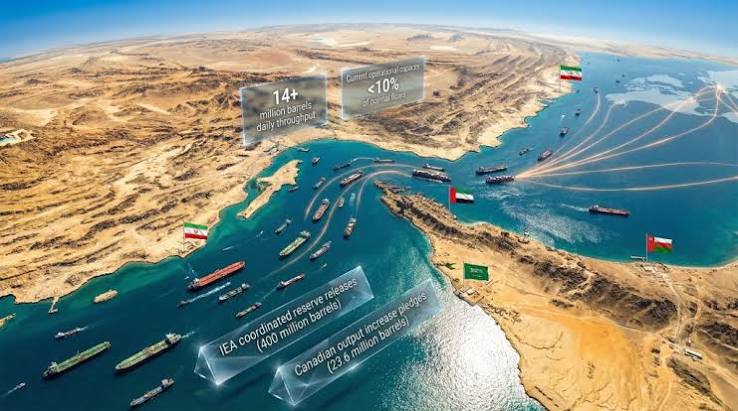
Strait of Hormuz Disruption Sends U.S. Naphtha Exports to Record Highs
Disruptions in the Strait of Hormuz are reshaping global naphtha trade, with U.S. Gulf Coast exports reaching record highs as international buyers seek alternative supply sources. According to the U.S. Energy Information Administration's (EIA) 2026 Short-Term Energy Outlook, geopolitical tensions in the Middle East have altered traditional energy trade routes, prompting countries such as Japan to increase purchases of U.S. naphtha.
As one of the world's most critical petrochemical feedstocks, naphtha plays a central role in producing plastics, synthetic fibers, and industrial chemicals. The shift in trade flows demonstrates how geopolitical risks can rapidly influence global energy markets and procurement strategies.
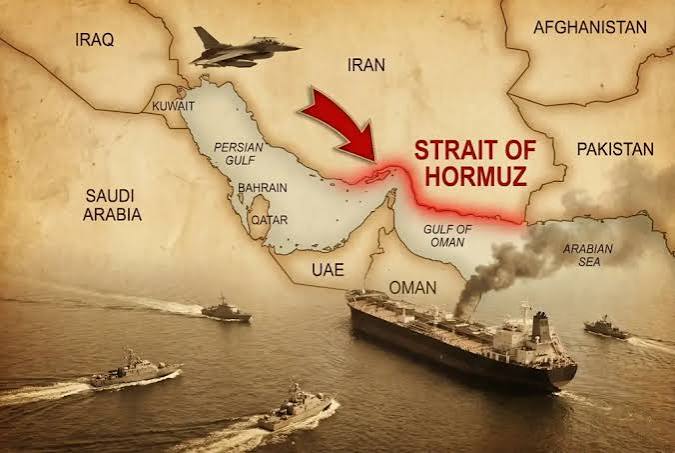
Why Naphtha Trade Matters
Naphtha is a key feedstock for steam crackers, where it is converted into essential petrochemical building blocks used across numerous industries.
Major downstream products include:
Ethylene
Propylene
Benzene
Butadiene
Toluene
Xylene
Xylene
Polyethylene (PE)
Polypropylene (PP)
When supply routes through the Middle East become uncertain, buyers often seek alternative suppliers to maintain uninterrupted production and reduce supply chain risks.
Market Implications
The increase in U.S. naphtha exports may result in:
Greater demand for U.S. Gulf Coast cargoes
Diversified supply sources for Asian importers
Higher freight activity across trans-Pacific shipping routes
Increased competition for prompt naphtha cargoes
Changes in regional feedstock pricing
Greater resilience in global petrochemical supply chains
Although Middle East producers remain major exporters, geopolitical uncertainty is encouraging buyers to diversify sourcing strategies.
Procurement Considerations
Procurement professionals should:
Monitor developments affecting the Strait of Hormuz
Track U.S. Gulf Coast export availability
Diversify feedstock sourcing across multiple regions
Monitor freight rates and shipping capacity
Review long-term supply agreements
Maintain strategic inventory during periods of geopolitical uncertainty
A diversified procurement strategy can reduce exposure to regional disruptions while improving long-term supply security.
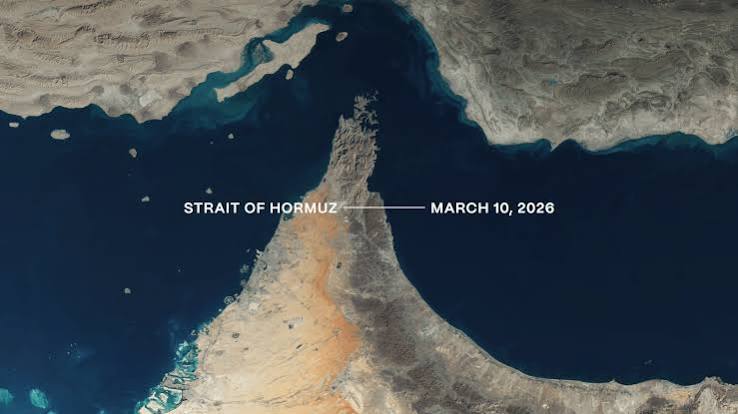
Looking Ahead
The Strait of Hormuz will continue to play a critical role in global energy and petrochemical markets. While U.S. exports have helped offset some supply concerns, geopolitical developments in the Gulf remain capable of rapidly influencing trade flows, freight costs, and feedstock pricing.
For procurement teams, maintaining supplier diversification and monitoring global shipping developments will remain essential for navigating an increasingly dynamic petrochemical market.
Key Takeaways
Strait of Hormuz disruptions have boosted U.S. naphtha exports to record levels.
Japanese buyers have increasingly turned to U.S. Gulf Coast suppliers.
Global petrochemical trade flows are becoming more diversified.
Feedstock pricing and freight costs remain sensitive to geopolitical events.
Procurement teams should strengthen sourcing flexibility and monitor global logistics.
Found this useful?