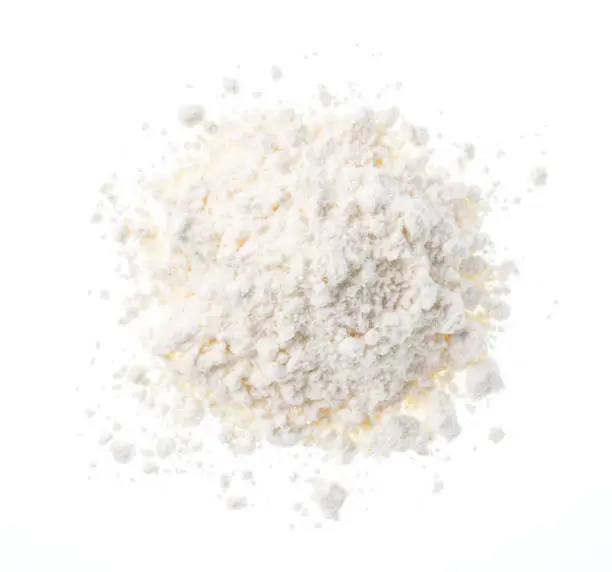
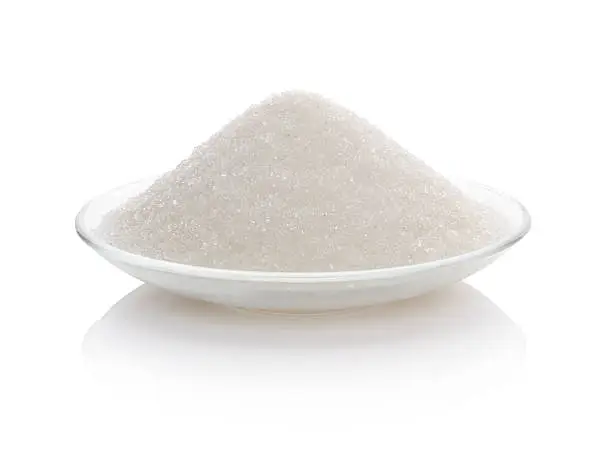
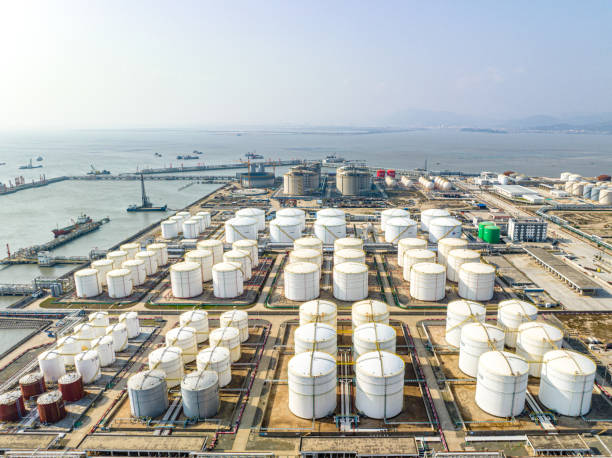
Sulfur is one of the most critical raw materials in the global fertilizer industry, serving as the primary feedstock for sulfuric acid production. Sulfuric acid is then used to convert phosphate rock into phosphoric acid, the essential intermediate for manufacturing phosphate fertilizers such as DAP, MAP, and TSP.
Recent industry reporting highlighting OCP's research into extracting sulfur from pyrite and pyrrhotite has attracted attention across the fertilizer sector. While the technology remains in the research and development stage, its strategic objective is clear: reduce dependence on refinery-produced sulfur and strengthen long-term supply security.
For procurement professionals, this initiative is worth monitoring because any future diversification of sulfur supply could influence sulfuric acid markets, fertilizer production economics, and supply chain resilience.
Why Sulfur Matters in Fertilizer Production
Sulfur is primarily converted into sulfuric acid, one of the world's highest-volume industrial chemicals.
Sulfuric acid plays a central role in producing:
As global fertilizer demand grows, reliable sulfur availability becomes increasingly important.
The Traditional Sulfur Supply Chain
Most commercial sulfur is recovered as a by-product during:
Oil refining
Natural gas processing
This model has historically provided a stable source of elemental sulfur for fertilizer producers.
However, dependence on hydrocarbon processing means sulfur availability can be influenced by:
These factors can create volatility in sulfur supply and pricing.
OCP's Interest in Pyrite-Based Sulfur
Pyrite (iron sulfide) and pyrrhotite are naturally occurring sulfur-bearing minerals.
Research into extracting sulfur from these minerals represents an effort to develop an additional raw material source rather than relying exclusively on refinery by-products.
Potential strategic objectives include:
Diversifying sulfur supply
Improving long-term supply security
Reducing exposure to refinery market fluctuations
Supporting greater operational resilience
Enhancing raw material independence
Although commercial deployment has not yet been confirmed, the research reflects growing industry interest in supply diversification.
Why This Matters for Sulfuric Acid Markets
OCP operates one of the world's largest phosphate fertilizer production systems and is among the largest consumers of sulfuric acid globally.
If alternative sulfur production technologies eventually become commercially viable, they could influence future sulfur markets in several ways.
Reduced Dependence on Refinery Sulfur
Alternative sulfur sources could reduce reliance on refinery-generated sulfur over the long term.
Greater Supply Diversity
Additional sulfur production pathways may improve overall market resilience during supply disruptions.
Improved Raw Material Security
Large fertilizer manufacturers could gain greater control over key feedstock availability.
Potential Market Stability
A broader supply base may contribute to more balanced sulfur availability if commercial production expands in the future.
Procurement Considerations
Since pyrite-based sulfur extraction remains under development, procurement teams should treat it as a long-term strategic trend rather than an immediate market change.
Recommended actions include:
Continue Supplier Diversification
Maintain relationships with multiple sulfur suppliers across different regions.
Monitor Technology Developments
Track announcements regarding pilot projects, commercialization milestones, and production capacity.
Evaluate Long-Term Contracts
Review sulfur procurement agreements to ensure flexibility as market conditions evolve.
Strengthen Risk Management
Incorporate alternative feedstock developments into long-term supply planning and scenario analysis.
Challenges Ahead
Commercializing pyrite-based sulfur production involves several technical and economic considerations.
Potential challenges include:
The pace of adoption will depend on technological progress and economic competitiveness.
Long-Term Market Outlook
The fertilizer industry continues to explore ways to strengthen raw material security and reduce exposure to supply chain disruptions. Research into alternative sulfur sources reflects a broader shift toward supply diversification and operational resilience rather than dependence on a single production pathway.
Although pyrite-derived sulfur remains at the research stage, its development highlights how innovation could reshape sulfur supply over the coming decade. Procurement professionals should monitor emerging technologies alongside traditional market fundamentals to build sourcing strategies that remain resilient under changing global conditions.
Key Takeaways
Sulfur is a critical feedstock for sulfuric acid and phosphate fertilizer production.
Most commercial sulfur currently originates as a by-product of oil refining and natural gas processing.
Research into sulfur extraction from pyrite aims to diversify long-term sulfur supply.
Commercial deployment remains uncertain, but the technology could strengthen future supply resilience.
Procurement teams should continue monitoring alternative sulfur technologies while maintaining diversified sourcing strategies.