Sustainable Procurement: Why EcoVadis Gold Ratings Are Reshaping Chemical Supplier Selection
Chemical procurement is increasingly moving beyond price, specifications and delivery schedules as buyers place greater emphasis on supplier sustainability performance. EcoVadis ratings are becoming an important part of that shift, with chemical buyers increasingly mandating a minimum Gold rating for tier-one suppliers.
For procurement managers, this changes the starting point of supplier evaluation. A competitive quotation may no longer be enough if a supplier cannot demonstrate credible sustainability policies, actions and reporting.
The development also creates a new commercial divide between suppliers that have invested in measurable sustainability management and those that still treat ESG requirements as secondary documentation. For chemical traders, importers and exporters, sustainability credentials are becoming increasingly relevant to winning and retaining B2B business.
Why EcoVadis Ratings Matter in Chemical Supplier Selection
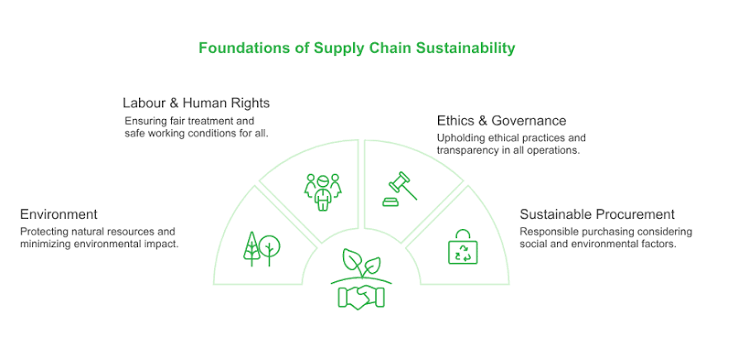
Chemical companies operate across supply chains where environmental performance, workplace practices, ethical conduct and responsible purchasing can affect commercial risk. EcoVadis assesses sustainability management across four themes: Environment, Labor & Human Rights, Ethics and Sustainable Procurement.
The rating therefore gives procurement teams a structured reference point when comparing suppliers. Instead of relying entirely on individual questionnaires or sustainability statements, buyers can use a recognized external assessment as part of their supplier qualification process.
This is particularly relevant in chemical trading because buyers often source products through complex international networks. A procurement team may need to assess manufacturers, distributors and other tier-one suppliers operating across multiple jurisdictions.
EcoVadis also evaluates companies according to their size, activity and operating locations, which means the assessment is designed around the sustainability risks relevant to the assessed business.
Gold Ratings Are Becoming a Procurement Threshold
A Gold EcoVadis medal represents a position within the top 5% of companies assessed by EcoVadis during the relevant 12-month comparison period. Medal eligibility also requires companies to meet minimum requirements across the four sustainability themes.
For chemical procurement teams that establish Gold as a minimum requirement, the rating becomes more than a sustainability credential. It can function as an initial screening mechanism before commercial negotiations move deeper into pricing, volumes, payment terms and logistics.
That approach can significantly change supplier qualification.
A procurement department applying a Gold threshold may prioritize suppliers that can demonstrate:
Structured sustainability management, supported by documented policies and actions rather than broad environmental statements.
Responsible procurement practices, which can provide greater visibility into how suppliers manage their own supply chains.
Environmental controls, including measurable approaches to environmental risks and performance.
Ethical and labor standards, which can form part of broader supplier-risk management.
The practical result is that sustainability performance can influence whether a supplier reaches the commercial evaluation stage at all.
From Supplier Questionnaires to Evidence-Based Screening
Traditional supplier qualification often depends on questionnaires, certificates, declarations and direct communication between procurement teams and vendors. EcoVadis places stronger emphasis on evidence supporting sustainability policies, actions and results.
That distinction matters for chemical suppliers.
A supplier may have an environmental policy on its website, but procurement teams increasingly want evidence that the policy translates into operational practices. The ability to provide credible documentation can therefore become a commercial advantage when several suppliers offer comparable products and pricing.
EcoVadis has also continued to refine its methodology during 2026. Recent changes include expanded use of sustainability and certification audit reports as supporting evidence and greater detail in scorecards concerning improvement areas, policies, quantitative targets and certifications.
For exporters and chemical manufacturers, this creates a clear operational message: sustainability documentation needs to be organized, current and usable during supplier assessments.
For procurement managers, this changes the starting point of supplier evaluation. A competitive quotation may no longer be enough if a supplier cannot demonstrate credible sustainability policies, actions and reporting.
The development also creates a new commercial divide between suppliers that have invested in measurable sustainability management and those that still treat ESG requirements as secondary documentation. For chemical traders, importers and exporters, sustainability credentials are becoming increasingly relevant to winning and retaining B2B business.
Why EcoVadis Ratings Matter in Chemical Supplier Selection
Chemical companies operate across supply chains where environmental performance, workplace practices, ethical conduct and responsible purchasing can affect commercial risk. EcoVadis assesses sustainability management across four themes: Environment, Labor & Human Rights, Ethics and Sustainable Procurement.
The rating therefore gives procurement teams a structured reference point when comparing suppliers. Instead of relying entirely on individual questionnaires or sustainability statements, buyers can use a recognized external assessment as part of their supplier qualification process.
This is particularly relevant in chemical trading because buyers often source products through complex international networks. A procurement team may need to assess manufacturers, distributors and other tier-one suppliers operating across multiple jurisdictions.
EcoVadis also evaluates companies according to their size, activity and operating locations, which means the assessment is designed around the sustainability risks relevant to the assessed business.
Gold Ratings Are Becoming a Procurement Threshold
A Gold EcoVadis medal represents a position within the top 5% of companies assessed by EcoVadis during the relevant 12-month comparison period. Medal eligibility also requires companies to meet minimum requirements across the four sustainability themes.
For chemical procurement teams that establish Gold as a minimum requirement, the rating becomes more than a sustainability credential. It can function as an initial screening mechanism before commercial negotiations move deeper into pricing, volumes, payment terms and logistics.
That approach can significantly change supplier qualification.
A procurement department applying a Gold threshold may prioritize suppliers that can demonstrate:
Structured sustainability management, supported by documented policies and actions rather than broad environmental statements.
Responsible procurement practices, which can provide greater visibility into how suppliers manage their own supply chains.
Environmental controls, including measurable approaches to environmental risks and performance.
Ethical and labor standards, which can form part of broader supplier-risk management.
The practical result is that sustainability performance can influence whether a supplier reaches the commercial evaluation stage at all.
From Supplier Questionnaires to Evidence-Based Screening
Traditional supplier qualification often depends on questionnaires, certificates, declarations and direct communication between procurement teams and vendors. EcoVadis places stronger emphasis on evidence supporting sustainability policies, actions and results.
That distinction matters for chemical suppliers.
A supplier may have an environmental policy on its website, but procurement teams increasingly want evidence that the policy translates into operational practices. The ability to provide credible documentation can therefore become a commercial advantage when several suppliers offer comparable products and pricing.
EcoVadis has also continued to refine its methodology during 2026. Recent changes include expanded use of sustainability and certification audit reports as supporting evidence and greater detail in scorecards concerning improvement areas, policies, quantitative targets and certifications.
For exporters and chemical manufacturers, this creates a clear operational message: sustainability documentation needs to be organized, current and usable during supplier assessments.
What a Gold Requirement Means for Chemical Traders
Chemical traders often sit between manufacturers and industrial buyers, making supplier transparency particularly important. A trader may not control the manufacturing process, but its sustainability credentials can still influence how buyers assess the overall sourcing relationship.
This makes supplier selection and supplier documentation increasingly important parts of trading operations.
A trader working with manufacturers that maintain strong sustainability ratings can potentially respond more effectively to procurement requirements. By contrast, suppliers without recognized sustainability documentation may face additional questionnaires, audits or qualification hurdles before a buyer approves them.
The impact can extend beyond one transaction. If a large industrial customer introduces a Gold minimum for tier-one suppliers, traders may need to reassess their approved supplier networks and identify where sustainability credentials could become a commercial constraint.
Procurement teams may also use ratings as one component of broader supplier segmentation, separating vendors that meet mandatory sustainability requirements from those requiring additional review or improvement plans.
Sustainability Performance Is Becoming a Commercial Requirement
The shift toward sustainability-led supplier selection reflects a broader change in procurement strategy. EcoVadis reported in its 2026 Supplier Intelligence Report that 52% of procurement leaders surveyed treat sustainability as a strategic function that directly influences preferred supplier status and new contract opportunities.
For chemical buyers, this can make sustainability performance part of supplier competitiveness rather than a separate corporate responsibility exercise.
Price remains important in chemical purchasing, particularly for high-volume commodities where small changes in unit cost can affect procurement budgets. However, buyers also have to consider supply continuity, regulatory exposure, reputational risk and the quality of supplier management.
A supplier with stronger sustainability systems may therefore fit more easily into procurement programs that have established ESG requirements.
This does not remove the importance of product quality or commercial terms. Instead, sustainability increasingly becomes another qualification layer that suppliers must satisfy alongside technical and financial requirements.
How Procurement Teams Can Apply EcoVadis Ratings
A Gold requirement works best when procurement teams integrate it into a broader supplier evaluation process rather than treating the medal as the only purchasing criterion.
A practical procurement workflow can include:
Initial supplier screening: Check whether the supplier has a current EcoVadis assessment and whether it meets the company's minimum rating requirement.
Scope verification: Confirm that the rating applies to the actual assessed entity being considered for the transaction. EcoVadis states that a medal applies to the assessed entity and not automatically to affiliated companies, parent companies, sites or subsidiaries.
Scorecard review: Examine the underlying sustainability performance and improvement areas rather than relying only on the medal.
Commercial assessment: Compare product specifications, pricing, availability, payment terms, logistics and technical support.
Ongoing monitoring: Review supplier sustainability performance as part of periodic supplier evaluations rather than treating qualification as a one-time exercise.
This approach can help procurement teams connect sustainability requirements with conventional purchasing controls.
What Suppliers Need to Change to Stay Competitive
The growing importance of EcoVadis ratings places pressure on suppliers to move from sustainability claims toward measurable management systems. EcoVadis describes its methodology as evidence-based, with supporting documents used to demonstrate sustainability practices.
Chemical suppliers seeking stronger procurement access should therefore pay attention to the quality of their internal documentation.
Key areas include:
Clear environmental and sustainability policies with defined responsibilities.
Documented actions that demonstrate how policies operate in practice.
Quantitative targets supported by appropriate measurement systems.
Supplier management procedures that extend responsible sourcing expectations through the value chain.
Reliable sustainability reporting and supporting records.
Relevant certifications and audit evidence where applicable.
These measures can also improve internal visibility. A supplier that maintains organized sustainability records may find it easier to respond to customer questionnaires, audits and qualification requests from multiple international buyers.
Why Sustainability Data Matters for International Chemical Trade
International chemical trade involves multiple layers of risk, including changing regulations, transport requirements, environmental expectations and customer-specific procurement standards. Sustainability data can help buyers understand how a supplier manages several of these areas before establishing a long-term relationship.
EcoVadis has described its rating process as covering 21 sustainability criteria across four themes, with data drawn from company documentation, third-party sources and external monitoring.
That broader information base can make sustainability assessment more structured than a basic supplier declaration.
For importers and exporters, the commercial implication is significant. Sustainability information can increasingly influence which suppliers gain access to major procurement programs, especially when buyers establish minimum rating requirements across their strategic supplier base.
The result is a market where documentation, transparency and continuous improvement can directly support commercial visibility.
The Procurement Impact Beyond 2026
The move toward sustainability-based supplier selection is likely to influence chemical sourcing strategies beyond individual supplier assessments. Procurement departments can use sustainability ratings as part of broader supplier segmentation, risk monitoring and sourcing decisions.
EcoVadis reported in its 2026 Sustainability Ratings Index that it analyzed nearly 200,000 scorecards from more than 100,000 companies assessed between 2021 and 2025. The index also reported that companies reaching its Advanced+ performance category increased from 19% to 29% in one year, indicating a broader movement toward stronger sustainability management among assessed suppliers.
For chemical buyers, this creates a more competitive sustainability environment. Suppliers cannot assume that maintaining basic ESG documentation will remain sufficient if customers continue to raise qualification thresholds.
At the same time, procurement teams need to understand what a rating actually measures. An EcoVadis medal represents a relative, point-in-time assessment of a company's sustainability management system and does not certify an individual chemical product or service.
That distinction matters when buyers combine sustainability ratings with technical specifications, product compliance documentation, quality certifications and commercial evaluations.
What Buyers Should Do Now
Chemical procurement teams can prepare for stricter sustainability requirements by incorporating supplier sustainability into their sourcing procedures before it becomes a mandatory commercial barrier. Establishing clear requirements early can reduce the disruption associated with replacing suppliers after contracts or sourcing programs have already been established.
Buyers should also look beyond the medal itself and review the scope, assessment date and underlying performance information. A supplier's sustainability rating should complement, rather than replace, product quality checks, regulatory documentation, financial evaluation and supply continuity planning.
For chemical traders, the opportunity is equally clear. Maintaining access to suppliers with credible sustainability credentials can help support participation in procurement programs where ESG performance forms part of supplier qualification.
As sustainability requirements become more integrated into purchasing decisions, EcoVadis performance is moving closer to the commercial core of B2B chemical procurement. Suppliers that can demonstrate structured policies, measurable actions and reliable evidence will be better positioned to respond to increasingly detailed buyer requirements.
Found this useful?