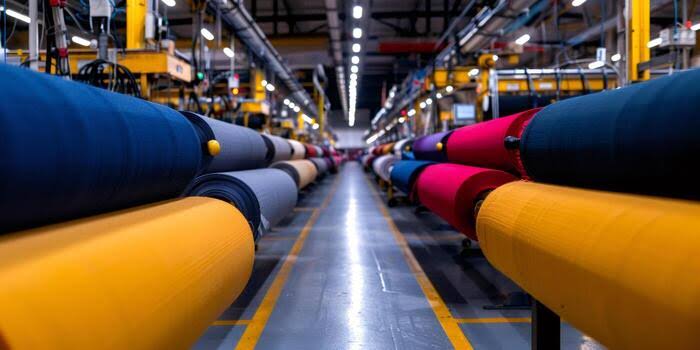
Teijin Frontier and Asahi Kasei Advance Integration Reshapes Textile Materials Strategy
Teijin has completed the integration of Teijin Frontier and Asahi Kasei Advance, creating a new materials-focused business structure with Teijin holding 80% and Asahi Kasei holding 20%. The integration took effect on October 1, 2026 and brings together textile, industrial materials, resin, chemical and construction-material capabilities under TA Frontier.
For chemical traders, procurement managers and textile industry buyers, the development is significant because the combined organization connects manufacturing, trading, procurement and customer networks. It also creates a broader platform for cross-selling, material development and supply chain coordination across several downstream industries.
How the Teijin Textile Integration Changes the Materials Business
The integration combines Teijin Frontier's strengths in fibers and textile manufacturing with Asahi Kasei Advance's trading activities across fibers, chemicals, construction materials and other materials. The resulting business covers a wider section of the materials value chain than either organization previously managed independently.
TA Frontier now operates across areas including apparel textiles, industrial textiles and materials, resin and chemical products, construction materials and geosynthetics and environmental materials. This broader scope gives the new company a more diversified customer and product base.
The integration also creates opportunities to connect upstream material sourcing with downstream processing and customer requirements. For buyers, that can matter when sourcing decisions depend on technical specifications, consistency and long-term supply rather than price alone.
Why the 80/20 Ownership Structure Matters
Teijin holds an 80% stake in the integrated business while Asahi Kasei owns 20%. The structure reflects Teijin Frontier's role as the surviving company in the integration and establishes TA Frontier as a joint venture between the two groups.
The ownership arrangement also gives the new organization access to the resources and networks of both parent companies. Instead of maintaining separate platforms, the businesses can coordinate their capabilities around shared customers and expanding material applications.
From a commercial perspective, the structure creates a framework for combining:
Textile expertise, including fibers, textile processing and apparel-related materials.
Trading capabilities, including procurement and customer networks developed through Asahi Kasei Advance.
Industrial materials, supporting applications beyond conventional apparel.
Resin and chemical products, expanding the scope of materials available to customers.
Construction and environmental materials, creating additional downstream markets.
From Textile Manufacturing to a Broader Materials Platform
The strategic importance of the integration extends beyond clothing and conventional textiles. Teijin's medium-term management plan identifies apparel and industrial applications as a growth driver and highlights the integration with Asahi Kasei Advance as a route toward broader horizontal integration.
Teijin Frontier brings strong capabilities in polyester-based materials while Asahi Kasei Advance contributes strengths associated with nylon-based materials and broader upstream and downstream activities. The combination can create new opportunities to connect different material technologies and customer channels.
What the Integration Means for Chemical and Resin Buyers
Chemical and resin procurement teams may see the integration differently from apparel buyers. For them, the important development is the expanded connection between materials trading, manufacturing and downstream applications.
Asahi Kasei Advance has historically handled products including fibers, chemical products and construction materials. The company was established as a trading business in 2015 and developed a broad commercial network around Asahi Kasei Group products.
TA Frontier's expanded portfolio therefore reaches beyond finished textiles. Its activities can intersect with buyers that need:
Polymer and resin materials for manufacturing applications.
Textile-related raw materials and intermediate products.
Chemical inputs for material processing.
Industrial fabrics for mobility and infrastructure.
Materials used in construction and environmental applications.
This wider portfolio can support procurement strategies that involve several material categories rather than a single textile input.
Supply Chain Opportunities Across the Textile Value Chain
The integration is designed to combine business platforms, sales networks and customer bases. The companies have also identified opportunities to integrate value chains, expand sales channels and improve supply stability.
For procurement teams, the potential commercial impact can appear in several areas.
Broader sourcing channels: A combined network can give buyers access to a wider range of materials and applications through one business relationship.
Cross-selling opportunities: Customers purchasing textile materials may gain access to industrial or chemical products, while industrial buyers can potentially access textile-related solutions.
Procurement coordination: Combining trading and manufacturing capabilities can improve coordination between raw material requirements and finished-material demand.
Product development: A broader technical base can support development of materials designed for specific performance requirements.
The companies have specifically highlighted the potential to combine their product ranges and sales channels while strengthening procurement and supply systems.
Textile Demand Is Expanding Beyond Apparel
The modern textile materials market extends well beyond clothing. Technical textiles now support mobility, infrastructure, household products, protective applications and other industrial uses.
Teijin's medium-term strategy highlights areas such as mobility, interior products, infrastructure and civil engineering alongside apparel. The integration with Asahi Kasei Advance is intended to expand the combination of capabilities available across these markets.
For material buyers, this diversification matters because demand for synthetic fibers and related chemicals can increasingly come from industrial applications. A supplier or trading partner that can serve several end-use sectors may provide more flexibility when individual markets experience changing demand.
The integration also aligns with the growing importance of materials that deliver multiple performance characteristics. Strength, durability, lightweight construction, moisture management, thermal performance and recyclability can all influence material selection depending on the end application.
Sustainability and Materials Innovation
Sustainability is another important dimension of the combined materials strategy. Both organizations have developed activities involving advanced materials and environmental applications, while Teijin has continued to promote recycling and lower-impact material technologies across its portfolio.
The broader TA Frontier structure includes environmental materials and geosynthetics alongside textiles, resins, chemicals and construction materials. This creates opportunities to connect material innovation with applications where durability, resource efficiency and environmental performance influence procurement decisions.
For buyers, sustainability requirements increasingly extend beyond the finished product. Procurement teams may evaluate raw material origin, processing methods, recycled content, production efficiency and supply chain transparency when selecting suppliers.
A broader materials organization can potentially address more of these requirements through coordinated product development and sourcing.
What Global Procurement Teams Should Watch
The integration became effective on October 1, 2026, meaning buyers and suppliers are entering the first phase of operations under the new structure. The immediate priority for procurement teams should be understanding how product portfolios, commercial contacts and supply arrangements evolve under TA Frontier.
Key areas to monitor include:
Product portfolio changes: Buyers should track which textile, chemical, resin and industrial material products are consolidated under the new business.
Supplier relationships: Existing procurement contacts may change as commercial operations become integrated.
Regional coverage: Expanded sales and procurement networks could affect sourcing options across Asian and international markets.
Technical development: Combined expertise may produce new materials or applications that influence future specifications.
Supply continuity: Procurement teams should monitor how integration affects ordering procedures, manufacturing locations and logistics.
The integration should therefore be viewed as an evolving commercial development rather than simply a corporate restructuring.
Looking Ahead to 2027: What Buyers Should Do Now
TA Frontier enters its first operating period with a broader materials portfolio and a stated focus on sustainable growth and new market opportunities. Teijin's medium-term strategy also calls for early realization of synergies from the integration and expansion across apparel and industrial applications.
For procurement managers and chemical traders, the most useful response is to map where the new organization intersects with existing sourcing requirements. Buyers should review textile inputs, resins, chemicals and industrial materials that could benefit from broader supplier relationships.
The integration may also encourage more cross-category procurement. A buyer previously focused on textile fibers could increasingly evaluate related resins, chemicals or industrial materials through the same commercial network.
For traders, the development highlights the value of tracking corporate integrations because changes in ownership and distribution structures can influence product availability, market access and supplier relationships. TA Frontier's expanded scope makes the business relevant to a wider set of material buyers than the former textile-focused structure alone.
The next phase will depend on how effectively the combined organization converts its complementary technologies, customer networks and procurement capabilities into new commercial opportunities. For buyers, maintaining visibility over product offerings, technical developments and sourcing channels will be important as the new business establishes its market position.
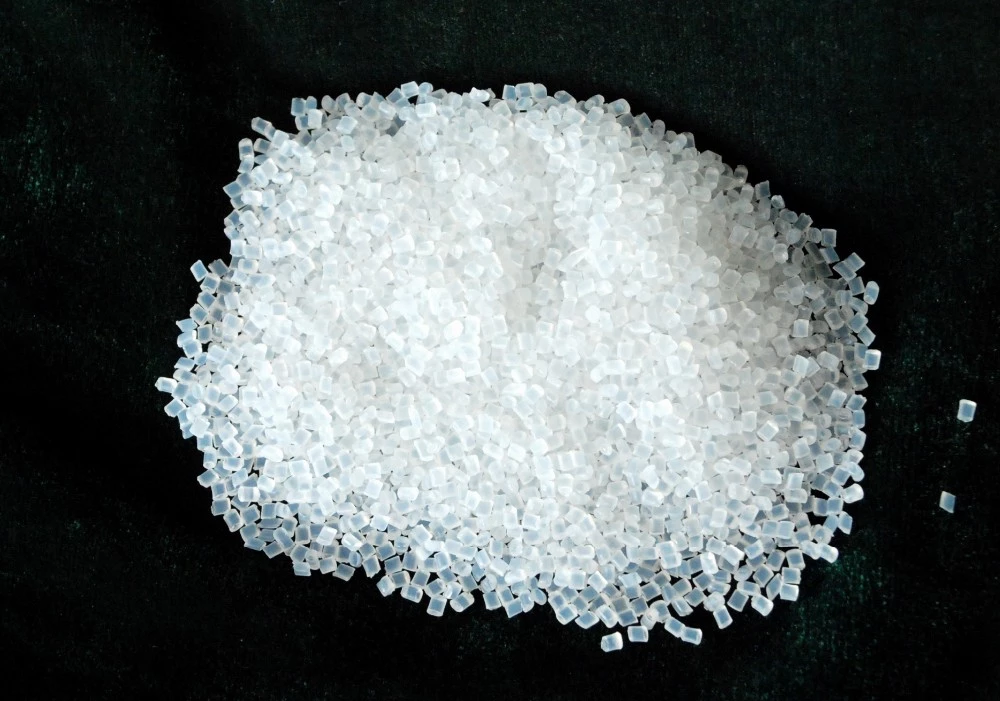
Nylon 6
Found this useful?