Texas Hosts Again's US Carbon-to-Acetic-Acid Production Facility
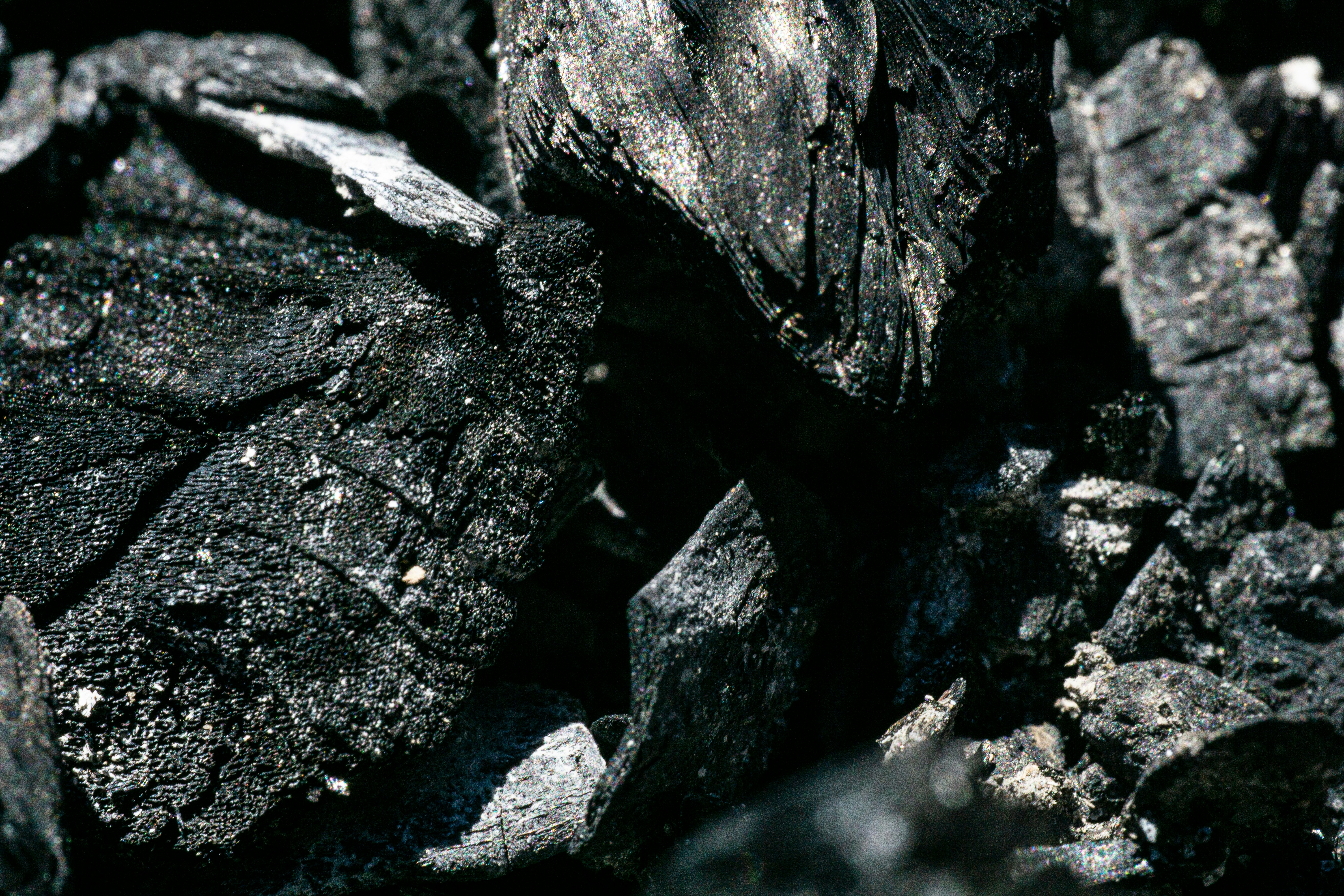
Texas Hosts Again’s US Carbon-to-Acetic-Acid Production Facility
Introduction
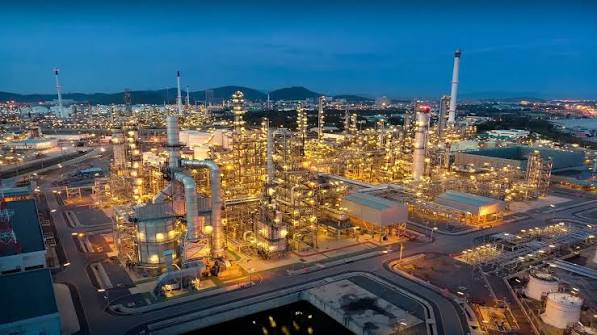
Texas is becoming an important location for the next generation of low-carbon chemical manufacturing, with Danish industrial biotechnology company Again establishing its first commercial U.S. facility in Texas City.
Known as TXS-1, the facility is designed to transform waste industrial CO₂ into chemical products, including glacial acetic acid. The project combines Again’s carbon-conversion technology with existing Gulf Coast industrial infrastructure, creating a model that could help reduce emissions while strengthening domestic chemical supply chains. Again identifies TXS-1 as its first commercial facility on U.S. soil.
What Is TXS-1?
TXS-1 is Again’s first commercial-scale U.S. carbon-transformation facility. Located in Texas City, the project is being developed within an established industrial environment and is connected to infrastructure associated with the wider Gulf Coast chemical industry.
Rather than treating industrial CO₂ as waste, Again's technology is designed to use it as a carbon feedstock for biological production. The company's approach combines industrial CO₂ with biomanufacturing processes to create chemicals that can be used across established markets.
The company reports that TXS-1 has a lifetime CO₂ abatement capacity of approximately 32,000 tonnes and a lifetime product capacity of about 20,000 tonnes of CO₂-derived products.
Turning Waste CO₂ Into Acetic Acid
One of the most important aspects of the Texas project is its production of glacial acetic acid.
Acetic acid is a major industrial chemical used in applications ranging from adhesives and solvents to plastics, textiles, coatings, and other chemical products. Traditionally, its production is closely connected to fossil-derived feedstocks.
Again's model offers an alternative pathway by using waste carbon emissions as a feedstock. According to project partners, TXS-1 will produce glacial acetic acid from waste CO₂ emissions generated by industrial activity at the Texas City site.
This approach creates a circular relationship between industrial emissions and chemical production: carbon that would otherwise be released is redirected into the manufacturing process.
Why Texas City?
The selection of Texas City is strategically important.
The Gulf Coast is one of the world's major petrochemical and chemical manufacturing hubs, offering extensive infrastructure, utilities, logistics networks, ports, industrial expertise, and access to large chemical markets.
Again is leveraging this existing industrial ecosystem rather than developing the facility in isolation. Diamond Infrastructure Solutions, a joint venture between Dow and Macquarie Asset Management, agreed to provide land, services, and utilities for Again's facility under long-term arrangements.
This type of integration can reduce the infrastructure requirements associated with building a new chemical facility and allow carbon-utilization technologies to be connected directly to existing industrial operations.
Partnership With Dow and HELM AG
TXS-1 is supported by several industrial partners.
Again's project is located at a Texas City industrial site connected to Dow, while HELM AG is involved in the offtake and distribution of the resulting chemical products.
HELM's role is particularly relevant because it connects the production facility with customers beyond the immediate Texas market. Again says HELM will support distribution of the products locally, regionally, and internationally.
The partnership therefore extends beyond emissions reduction. It creates a complete commercial chain involving:
Industrial CO₂ supply
Carbon transformation
Chemical production
Existing infrastructure
Product offtake
Regional distribution
International chemical markets
A New Model for Industrial Decarbonization
The significance of TXS-1 lies in its industrial model.
Carbon capture projects traditionally focus on capturing CO₂ and storing it underground. Carbon-utilization projects take a different approach by attempting to convert captured carbon into useful products.
Again's technology focuses on the latter model.
By converting industrial CO₂ into chemicals, the company is attempting to combine decarbonization with manufacturing. Instead of viewing emissions only as something that must be removed from an industrial process, the technology treats carbon as a potential raw material.
This could become particularly valuable for industries where carbon remains an essential component of the final product.
Strengthening U.S. Chemical Supply Chains
TXS-1 could also have implications for chemical supply security.
The United States relies on complex international supply chains for many chemical intermediates and finished products. Producing critical chemicals domestically from alternative carbon sources could help reduce dependence on imports.
Again and its partners have specifically highlighted the project's potential to strengthen Gulf Coast supply chains and support domestic production of critical chemicals.
For chemical buyers, this could eventually create another source of supply alongside conventional producers.
The significance would be particularly relevant if carbon-derived chemicals can achieve competitive costs, consistent quality, and reliable production at commercial scale.
Commercial Scale Is the Key Test
Although TXS-1 represents an important technological step, commercial performance will ultimately determine the broader impact of the project.
Carbon-to-chemical technologies must compete with highly established petrochemical production routes. Conventional chemical plants benefit from decades of optimization, large production volumes, mature supply chains, and established feedstock markets.
Again therefore needs to demonstrate that its biological manufacturing platform can achieve:
Reliable continuous production
Competitive operating costs
Consistent product quality
Efficient CO₂ utilization
Commercially attractive product yields
Stable integration with existing industrial infrastructure
TXS-1 provides an opportunity to demonstrate these capabilities in a real industrial environment rather than solely at laboratory or pilot scale.
Comparison With Again’s Global Expansion
The Texas facility is part of Again's broader international expansion.
The company's CPH-1 facility in Copenhagen has been operating since 2023 and has been used to demonstrate the conversion of industrial CO₂ under real operating conditions. Again says CPH-1 can capture and convert up to one tonne of industrial CO₂ per day.
Again is also developing NOR-1 in Norway, a project focused on producing green acetone using its technology. The company says the Norwegian project is designed to utilize more than 10,000 tonnes of industrial CO₂ annually and produce up to 4,000 tonnes of acetone per year.
TXS-1 therefore represents an important step in taking the company's technology from European demonstration projects into commercial U.S. chemical production.
Implications for the Acetic Acid Market
The project could become relevant to the global acetic acid market if Again's technology proves commercially scalable.
Acetic acid is an established commodity chemical with demand across numerous industrial and consumer applications. Introducing a CO₂-derived production route could create a new category of lower-carbon supply.
For buyers, this could eventually mean another sourcing option alongside conventional production.
For producers, however, the emergence of carbon-derived acetic acid could increase competitive pressure, particularly as customers increasingly evaluate the carbon intensity of chemical products.
The commercial value of the product will ultimately depend on production costs, customer willingness to pay for lower-carbon materials, regulatory incentives, and the availability of suitable industrial CO₂ sources.
Broader Significance for the Chemical Industry
TXS-1 represents a broader movement toward alternative carbon feedstocks.
Chemical manufacturing requires carbon, but the source of that carbon does not necessarily have to remain limited to crude oil and natural gas. Potential alternatives include:
Captured industrial CO₂
Biomass
Waste-derived carbon
Recycled carbon
Other circular feedstocks
Again's technology is part of this emerging effort to diversify the carbon sources available to chemical manufacturers.
If commercial-scale carbon utilization becomes economically viable, it could eventually influence decisions around feedstock procurement, plant location, supply-chain design, and chemical manufacturing investments.
What Comes Next?
The next stage for TXS-1 will be demonstrating consistent commercial operation and establishing a reliable market for its CO₂-derived products.
The project's reported performance targets make it an important demonstration of how carbon-conversion technology can operate within an existing industrial cluster. Again says the facility is intended to validate its technology at commercial scale while demonstrating integration with existing infrastructure.
Success could encourage similar projects in other industrial regions where concentrated CO₂ emissions, chemical infrastructure, and customers are located close together.
This could make industrial clusters particularly attractive locations for future carbon-to-chemical facilities.
Conclusion
Again's TXS-1 facility in Texas City represents an important development in the commercialization of carbon-to-chemical technology in the United States.
By converting waste industrial CO₂ into glacial acetic acid and other chemical products, the facility connects industrial decarbonization with chemical manufacturing. Its location within the Gulf Coast's established industrial infrastructure, combined with partnerships involving Dow, Diamond Infrastructure Solutions, and HELM AG, provides a foundation for demonstrating the technology in a real commercial environment.
The project's broader importance extends beyond one facility. If Again can demonstrate that CO₂-derived chemicals can compete with conventional production on cost, quality, reliability, and scale, TXS-1 could become a model for future carbon-utilization projects.
For the chemical industry, the development points toward a future in which industrial emissions can become feedstocks rather than simply waste streams, potentially creating new pathways for lower-carbon and more resilient chemical production.
Antimony Trioxide (99.5%) - China
Found this useful?