Huntsman Innovates Lightweight Polyurethane Resins for EV Battery Enclosures
Huntsman Innovates Lightweight Polyurethane Resins for EV Battery Enclosures
As electric vehicle manufacturers work to reduce vehicle weight while improving battery safety, Huntsman is expanding its polyurethane materials portfolio for lightweight EV battery enclosures and covers.
Its portfolio includes VITROX® resin systems for battery covers and RIMLINE® polyurethane systems for composite battery enclosures. Huntsman is also developing SHOKLESS™ polyurethane systems for battery-cell encapsulation and protection.
Together, these technologies target several major challenges facing EV battery manufacturers, including weight reduction, structural protection, thermal management and faster production.
Lightweight Materials for EV Battery Enclosures
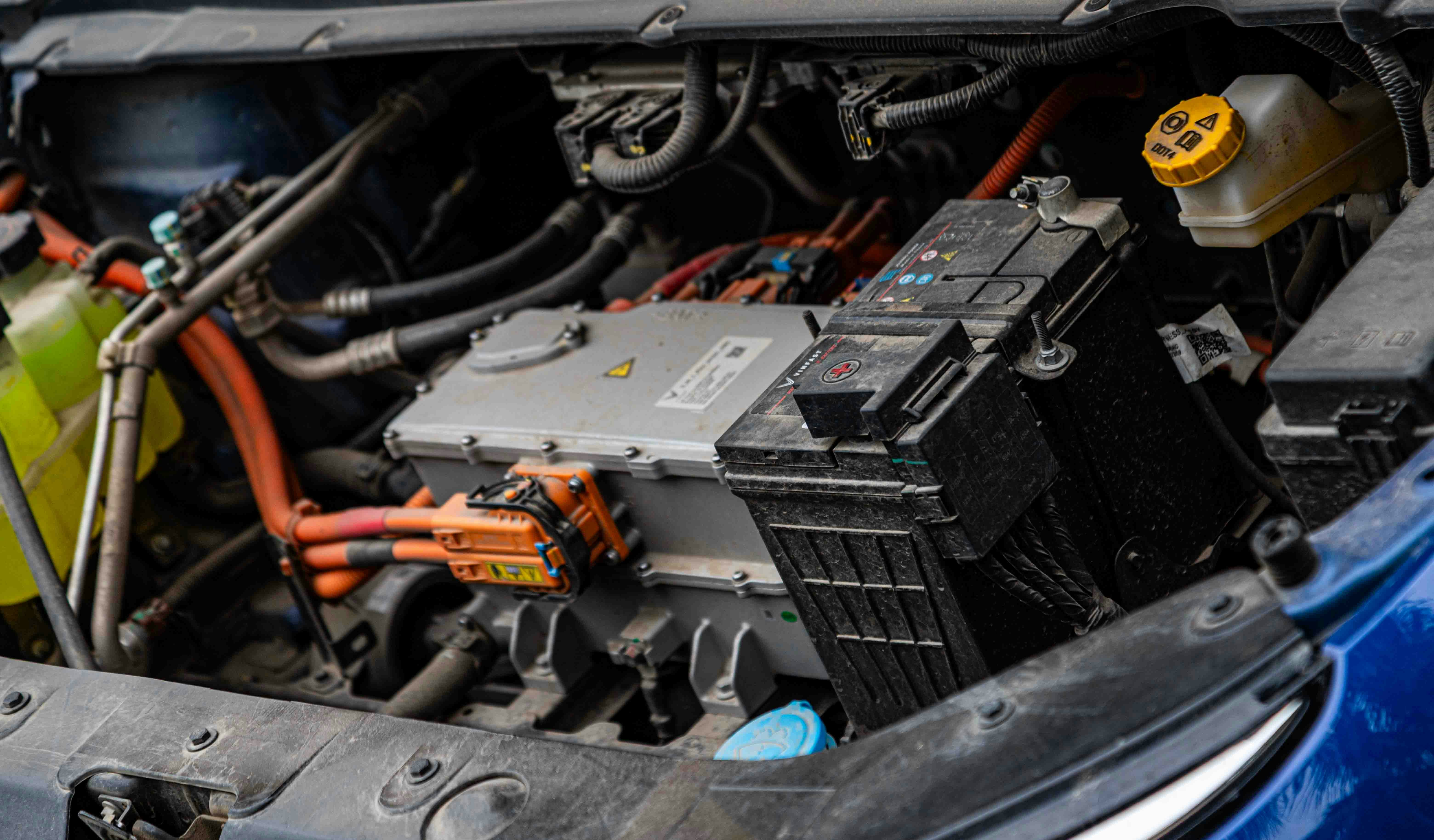
Battery enclosures are among the larger structural components of an electric vehicle. Traditionally, metals such as steel and aluminium have been widely used, but composite materials can offer significant weight-saving opportunities.
Huntsman says its composite battery housing designs can reduce weight by up to 40% compared with metal concepts, while still addressing mechanical, thermal and safety requirements.
Reducing enclosure weight can help vehicle manufacturers use less energy to move the vehicle and potentially allocate more of the vehicle's weight budget to the battery system.
VITROX® Resins Target Battery Cover Applications
Huntsman's VITROX® polyurethane resin systems are designed for lightweight structural applications, including EV battery covers.
The company describes these materials as highly cross-linked isocyanate resin systems with adjustable glass-transition temperatures and processing characteristics. They are intended to provide toughness while allowing manufacturers to control processing conditions.
For EV applications, VITROX® systems can be used to create lightweight battery casing covers with thermal resistance that can help limit flame spread.
This combination of lightweight construction and thermal performance is particularly relevant as battery manufacturers continue to focus on protection against thermal events.
RIMLINE® Provides Lightweight Battery Enclosure Solutions
Another part of Huntsman's portfolio is RIMLINE® SRIM, a polyurethane system developed specifically for battery housings and enclosures.
The system functions as a resin, binder and matrix material for composite applications. Huntsman positions it as a lightweight and durable solution for battery enclosure production using Structural Reaction Injection Molding (SRIM).
Reaction injection molding can provide manufacturers with a way to produce complex composite components while integrating material performance and production efficiency into the same process.
Weight Reduction Without Sacrificing Protection
For EV manufacturers, reducing weight alone is not enough.
Battery enclosures need to protect cells from mechanical impacts, environmental exposure and thermal events. They also need sufficient structural strength to remain part of the vehicle's overall architecture.
Huntsman's battery housing resin systems are designed to address these requirements through combinations of mechanical performance, thermal resistance, corrosion resistance and design flexibility.
The company says its resin systems can be used to produce battery housings that meet fire-resistance, crash-resistance, environmental-aging and thermal-shock requirements defined by relevant standards.
Faster Processing for Automotive Production
High-volume EV manufacturing requires materials that can be processed efficiently.
Huntsman offers resin systems compatible with manufacturing methods such as high-pressure resin transfer molding (HP-RTM), wet compression molding and reaction injection molding.
Several of its systems are designed for fast curing. For example, Huntsman's battery housing portfolio includes systems with cure times measured in minutes or less depending on the material and manufacturing process.
Faster curing can help reduce production-cycle times and support the high-throughput manufacturing requirements of the automotive industry.
SHOKLESS™ Adds Battery Cell Protection
Huntsman's work on battery materials extends beyond the enclosure itself.
Its SHOKLESS™ polyurethane systems are designed for potting and fixation of cells mounted in EV batteries. They can also be used as moldable encapsulants for battery modules and packs.
The systems are available in different densities and can provide mechanical support, vibration dampening and thermal protection.
The low-density SHOKLESS™ LD system is specifically positioned as a lightweight foam technology for battery-cell potting and module or pack encapsulation. Huntsman lists weight-saving opportunities, fast curing, low viscosity and a broad processing window among its features.
Addressing Thermal Runaway Risks
Thermal management is one of the major material challenges in EV battery design.
Huntsman has also developed polyurethane technologies aimed at improving protection during thermal events. Its POLYRESYST® EV5005 intumescent polyurethane coating, introduced for automotive applications, is designed to provide passive fire protection for metal and composite substrates used in EVs.
The company's portfolio therefore covers several levels of battery protection, from individual cells and modules to battery covers and structural enclosures.
A Broader Shift Toward Composite Battery Structures
The development of lightweight polyurethane systems reflects a wider trend toward replacing or supplementing traditional metal components with engineered composites.
Composite battery housings can offer several potential advantages beyond weight reduction. Huntsman points to corrosion resistance, design flexibility and mass-production potential as additional benefits of composite construction.
For EV manufacturers, these characteristics can become important as battery packs increasingly serve not only as energy-storage systems but also as structural components of the vehicle.
Sustainability and Material Innovation
Huntsman's battery-material strategy is also expanding toward sustainability.
The company's SHOKLESS™ LD system can be supplied with recycled content and produced according to mass-balance principles, providing options for customers seeking to reduce the carbon footprint of their materials.
Huntsman has also identified recyclability of polyurethane foams and battery-related materials as an area for future development, reflecting the automotive industry's growing focus on circularity.
This indicates that material development is increasingly focused not only on performance during vehicle operation, but also on the environmental impact of materials across their lifecycle.
Supporting the Next Generation of EV Batteries
The EV battery industry is moving toward designs that require higher energy density, improved safety and more efficient manufacturing.
Material suppliers therefore have an important role in developing solutions that can protect batteries while reducing unnecessary weight.
Huntsman's combination of VITROX®, RIMLINE® and SHOKLESS™ technologies represents an approach that addresses different components of the battery system, from structural enclosures and covers to cell encapsulation.
The company's continued development of polyurethane systems suggests that advanced polymers and composites will remain important materials in the evolution of electric vehicle battery design.
Source Links:
High Density Polyethylene (HDPE)
Found this useful?