Thailand Petrochemical Industry: Production and Export Outlook
Thailand's Position in the Global Petrochemical Market
Thailand has developed one of Southeast Asia's most established petrochemical industries, supported by integrated manufacturing facilities, refinery infrastructure and a large downstream plastics sector. Its production network covers upstream chemicals, intermediate products and downstream polymers, supplying both domestic manufacturers and international customers.
According to Krungsri Research, Thailand had approximately 37.9 million tonnes per year (MTPA) of petrochemical production capacity in 2025, making it the largest petrochemical producer in ASEAN and the 16th largest globally. This capacity includes 13.3 MTPA of upstream products, 8.7 MTPA of intermediate petrochemicals and 13.9 MTPA of downstream products, alongside other chemical products.
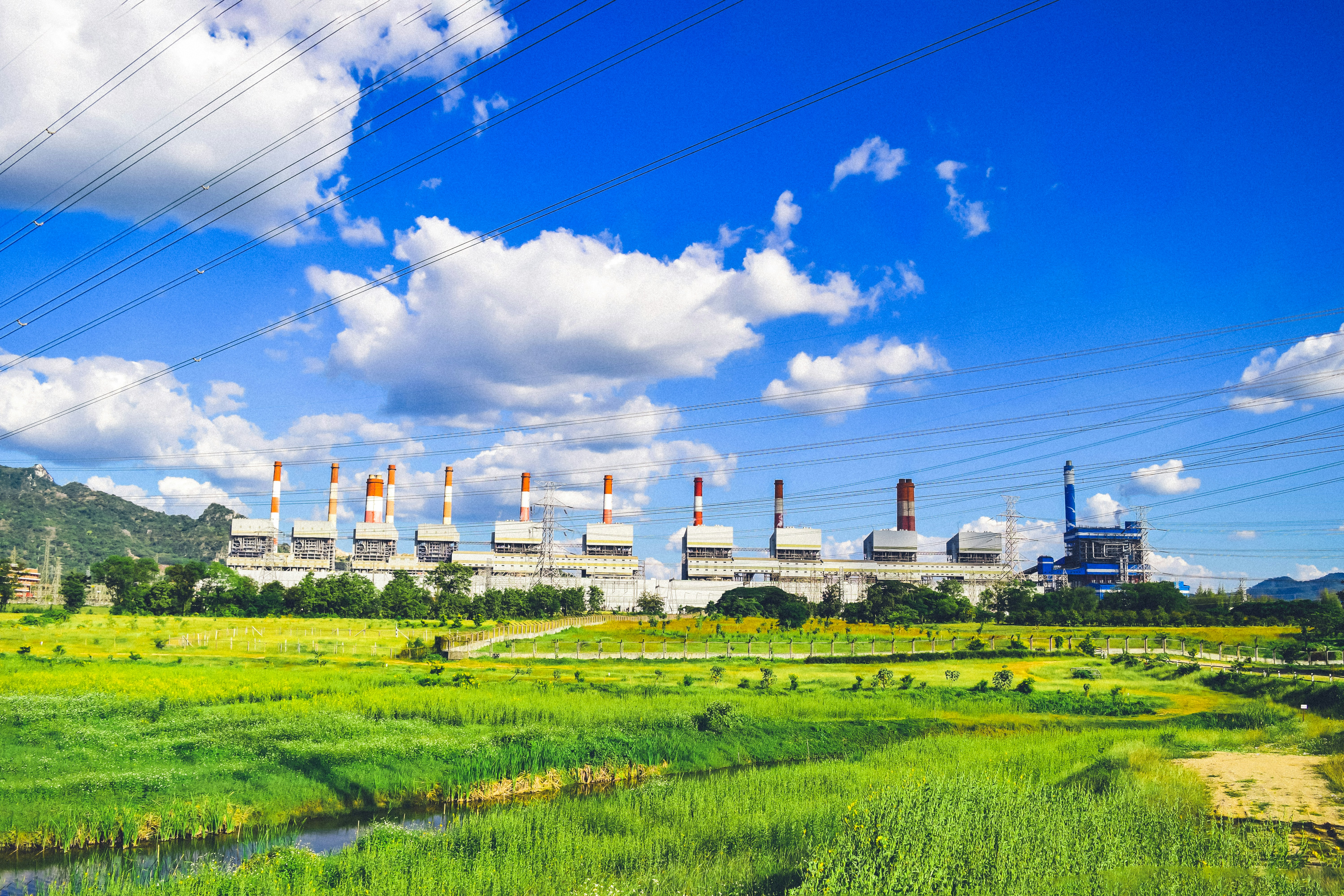
The country's petrochemical capacity increased from 34.6 MTPA in 2022 to 37.9 MTPA in 2025, reflecting investment in production improvements, debottlenecking and capacity expansion. The Map Ta Phut industrial area remains an important centre for integrated petrochemical manufacturing. <Cite refs={["turn558813view0","turn529633search1"]}/>
Production Trends Across Major Petrochemical Segments
Thailand produces a broad range of petrochemical materials used in packaging, automotive components, electronics, textiles, construction and consumer goods. However, production performance varies according to product demand, feedstock availability and competition from international suppliers.
Olefins and Basic Petrochemicals
Olefins such as ethylene and propylene are essential building blocks for manufacturing polymers and other chemical intermediates. In 2025, Thailand's olefins production increased by 3% to approximately 6.7 million tonnes, supported by improved output from ethylene and propylene facilities.
These products supply downstream manufacturers producing polyethylene, polypropylene and other industrial materials. Their performance is closely linked to packaging, automotive, electronics and consumer-product manufacturing.
Polyethylene and Polypropylene
Polyethylene (PE) and polypropylene (PP) are among Thailand's important downstream petrochemical products. They are used in flexible packaging, containers, household goods, automotive components and industrial applications.
In 2025, production of downstream polymers, including PE, PP and PET, increased by 4.3% to approximately 7.6 million tonnes. However, higher production capacity in China and other Asian markets has intensified competition and placed pressure on selling prices and profit margins.
Aromatics and Polyester-Related Products
Aromatics such as benzene, toluene and paraxylene are important feedstocks for synthetic fibres, resins, plastics and other chemical applications.
Thailand's aromatics production declined by 10.2% in 2025 to approximately 1.6 million tonnes. Weak demand from downstream industries, particularly China's benzene-consuming sectors, contributed to this decline. Competition from additional regional capacity also affected market conditions. <Cite refs={["turn558813view1","turn529633search14"]}/>
Thailand's Petrochemical Export Performance
Exports are a major part of Thailand's petrochemical business model. International sales allow manufacturers to serve markets beyond domestic consumption and maintain production volumes across different product categories.
In 2025, Thailand's petrochemical export volume increased by 8.8%, although export performance differed across product groups.
Polyethylene exports increased by 15.9% to approximately 2.2 million tonnes, while polypropylene exports grew by 33.8% to around 0.7 million tonnes. Demand from electrical appliances, electronics and automotive-related manufacturing supported these increases.
Olefins exports also increased by 10.3%. In contrast, aromatics exports declined by 18.3%, reflecting weaker demand from textile and synthetic-fibre industries.
The export performance of downstream polymers was partly supported by buyers bringing forward orders ahead of anticipated US tariff changes. Thai producers also expanded their commercial focus on markets with growing packaging, food and beverage, and electrical appliance industries. <Cite refs={["turn957269view0","turn529633search14"]}/>
Major Export Destinations
Thailand's petrochemical exports reach several important Asian markets. According to Krungsri Research's 2025 market breakdown, China accounted for approximately 31% of exports, followed by Japan and Indonesia at 10% each, Vietnam at 9%, and India at 8%.
These markets provide opportunities for Thai manufacturers because their industrial sectors consume substantial quantities of plastic resins and chemical intermediates.
India is particularly important because of its expanding manufacturing base and demand for packaging materials. Vietnam and Indonesia also offer opportunities through growth in consumer goods, food processing, electronics and industrial production.
Feedstock Availability and Production Costs
Feedstock economics are among the most important factors influencing Thailand's petrochemical competitiveness.
The country's producers primarily rely on naphtha-based feedstocks, which account for approximately 67% of total production capacity. Gas-based feedstocks account for the remaining 33%, including ethane, propane and liquefied petroleum gas.
This feedstock structure exposes many Thai manufacturers to fluctuations in international crude oil prices, naphtha availability and transportation costs.
In 2026, disruptions affecting Middle Eastern energy and shipping routes added further uncertainty. Krungsri Research reported that average naphtha prices reached approximately USD 777 per tonne during the first four months of 2026, representing a 32% year-on-year increase.
Higher feedstock costs created additional pressure because producers could not always transfer the full increase to customers in highly competitive markets. The situation also highlighted the importance of diversifying feedstock sources and improving production flexibility. <Cite refs={["turn957269view0","turn529633search7"]}/>
Key Challenges Facing Thailand's Petrochemical Industry
Global Oversupply and Regional Competition
One of the industry's biggest challenges is the expansion of petrochemical production capacity in China and India. New facilities have increased the availability of ethylene, propylene, polyethylene and polypropylene, creating additional competition for established producers.
China's growing domestic production is particularly important because it has historically been a major destination for Thai petrochemical exports. As Chinese manufacturers become more self-sufficient, Thai suppliers may face greater difficulty maintaining market share.
Weak Domestic Demand
Domestic demand is influenced by the performance of packaging, construction, electronics, automotive and consumer goods industries.
In the first five months of 2026, Thailand's petrochemical production declined by 5.3% year on year to 6.3 million tonnes. Domestic sales decreased by 12.6% to 3.1 million tonnes, reflecting weaker purchasing power and higher operating costs.
The decline in polyethylene and polypropylene sales also affected downstream manufacturers producing plastic products and construction materials. <Cite refs={["turn558813view1"]}/>
Energy and Supply Chain Uncertainty
The petrochemical industry depends on reliable access to energy and raw materials. Geopolitical tensions, shipping disruptions and changing crude oil prices can affect feedstock procurement, transportation schedules and production costs.
Manufacturers therefore need to strengthen supply chain resilience through diversified sourcing, inventory planning and more flexible production systems.
Environmental and Regulatory Requirements
Environmental expectations are also influencing investment decisions across the petrochemical sector. Thailand's plastic waste management initiatives and developing climate and clean-air regulations are expected to increase attention to emissions, recycling and the environmental impact of plastic production.
Producers may need to invest in energy efficiency, waste reduction, emissions monitoring and technologies that support more sustainable manufacturing.
Production and Export Outlook Through 2028
Thailand's petrochemical industry is expected to expand gradually over the 2026–2028 period, although growth is likely to remain moderate compared with earlier periods of capacity expansion.
Krungsri Research projects average annual growth of approximately 0.8% in domestic petrochemical sales and 1.2% in export volumes during 2026–2028. Export growth is expected to receive support from Asian markets, particularly Vietnam, Indonesia and India.
Food and beverage packaging, consumer goods, electrical appliances and electronics are expected to remain important sources of demand for petrochemical materials.
However, the outlook will vary by product category. Some olefins and polymers may benefit from periods of tighter regional supply, while products facing persistent oversupply, including benzene, PET and paraxylene, may experience weaker margins.
The industry is also expected to benefit from gradual improvements in feedstock availability and costs during 2027 and 2028, provided that geopolitical and transportation disruptions ease. <Cite refs={["turn558813view2","turn957269view0"]}/>
Opportunities for Investment and Industry Development
Despite its challenges, Thailand offers opportunities for petrochemical manufacturers, investors and chemical suppliers.
Higher-Value Petrochemical Products
Moving beyond standard commodity products toward specialty polymers, engineered materials and application-specific chemicals could help manufacturers reduce their exposure to price-based competition.
Bio-Based and Sustainable Materials
Growing interest in circular production and lower-carbon materials may create opportunities in bio-based plastics, recycled polymers and biodegradable materials. Thailand's existing manufacturing base could support the development of these product categories.
Regional Export Expansion
India and ASEAN markets offer potential for suppliers seeking to diversify beyond traditional export destinations. Building stronger distribution networks and developing products that meet local manufacturing requirements could support longer-term export growth.
Production Efficiency and Feedstock Diversification
Investments in energy efficiency, process optimization and alternative feedstocks can help improve cost competitiveness. Greater flexibility in using different feedstocks may also reduce exposure to disruptions affecting individual supply routes.
Market Outlook for Thai Petrochemical Manufacturers
Thailand's petrochemical industry enters the coming years with substantial production capacity, established industrial infrastructure and a strong position in regional chemical trade. Its downstream polymer exports, particularly polyethylene and polypropylene, demonstrate the importance of international demand to the sector.
Nevertheless, global capacity expansion, feedstock price volatility and uneven demand will continue to influence production and profitability. Manufacturers will need to focus on operational efficiency, product diversification and stronger regional market relationships.
The industry's longer-term competitiveness will depend not only on production capacity but also on its ability to supply higher-value materials, manage feedstock risks and respond to changing environmental and trade requirements.
Krungsri Research – Industry Outlook 2026–2028: Petrochemicals. Production capacity, feedstock structure, export performance, market destinations and forecasts for Thailand's petrochemical industry.
https://www.krungsri.com/en/research/industry/industry-outlook/petrochemicals/petrochemicals/io/io-petrochemicals-2026Thailand Office of Industrial Economics – Report on the Industrial Economics Status in 2025 and Outlook for 2026. Official industry projections for production, exports and imports.
https://www.oie.go.th/assets/portals/1/files/monthly_report/anualreport2025_outlookfor2026.pdfOECD – Implementing the OECD Framework for Industry's Net-zero Transition in Thailand. Analysis of Thailand's petrochemical and plastics industries, industrial structure and competitiveness challenges.
https://www.oecd.org/en/publications/implementing-the-oecd-framework-for-industry-s-net-zero-transition-in-thailand_b9978679-en/full-report/a-deep-dive-into-thailand-s-petrochemicals-and-plastic-industries_fe26530e.htmlICIS – APIC '26: Thai Petchem Industry Still Steady Amid Headwinds. Industry commentary on Thailand's feedstock position and supply chain challenges.
https://www.icis.com/explore/resources/news/2025/07/29/11123399/outlook-insight-us-to-roll-out-sectoral-tariffs-after-imposing-national-duties/?news_id=11212499Federation of Thai Industries – Petrochemical Industry Club. Thailand petrochemical industry country reports and sector information.
https://www.ftipc.or.th/th/report_apic
Ammonium Bromide
Found this useful?