The Cape Route Premium: Calculating the True Cost of Post-Hormuz Shipping Pattern Changes
The Strait of Hormuz officially reopened to commercial traffic on July 12, 2026. However, global shipping patterns have not returned to their pre-February 28 baselines. This persistent divergence has created permanent cost structure changes for the chemical industry.
Supply chain teams must now navigate a structural pricing shift known as the Cape Route Premium. This premium adds approximately $45 to $75 per tonne for Gulf-origin chemicals delivered to Europe. Procurement managers must treat this cost as a permanent baseline shift rather than a temporary disruption surcharge.
The Reality of the Cape Route Premium for Gulf Chemicals
Spot market evidence through August 2026 shows no reversion to February pricing despite physical route availability. The market has permanently priced in the logistical friction of the crisis. Buyers importing polyethylene and methanol from the Middle East face this new financial reality immediately.
The structural premium fundamentally alters the landed cost of essential chemical feedstocks. European manufacturers can no longer rely on historical freight rates when calculating their annual procurement budgets. This shift requires a complete recalibration of supply chain financial models across the continent.
Insurance War Risk Premiums and Lloyds Index Data
Vessel operators face massive financial hurdles when considering a return to the strait. Insurance war risk premiums remain 185 percent above pre-crisis levels for Hormuz transit according to Lloyds index data. This staggering increase completely erodes the time savings of the shorter geographic route.
Shipowners must pass these insurance costs directly to chemical buyers through higher freight rates. Many charterers simply refuse to transit the strait until underwriters lower their risk assessments. This insurance barrier effectively keeps the Cape of Good Hope as the default route for risk averse shippers.
Underwriters maintain their elevated premiums due to lingering concerns about regional geopolitical stability. Chemical buyers must accept that these insurance costs will persist well into 2027. The maritime insurance market has permanently restructured its risk appetite for Middle Eastern transit.
Bunker Fuel Consumption and Routing Distances
The physical distance of the alternative route drives significant operational cost increases. Bunker fuel consumption per tonne-kilometer increased 18 percent industry-wide due to longer average routing distances. Vessels burning heavy fuel oil require massive additional capital to complete the journey around Africa.
This fuel penalty compounds the existing freight rate increases significantly. Chemical exporters must absorb or pass on these extra bunker costs to maintain profit margins. The 18 percent fuel increase represents a hard operational floor that shipping companies cannot easily negotiate away.
Port congestion at key African refueling hubs further exacerbates these fuel costs. Vessels often wait days to bunker, burning additional fuel while idling. These hidden operational inefficiencies add another layer of cost to the overall Cape Route Premium.
De-Risked Supply Chains and the 23 Percent Routing Shift
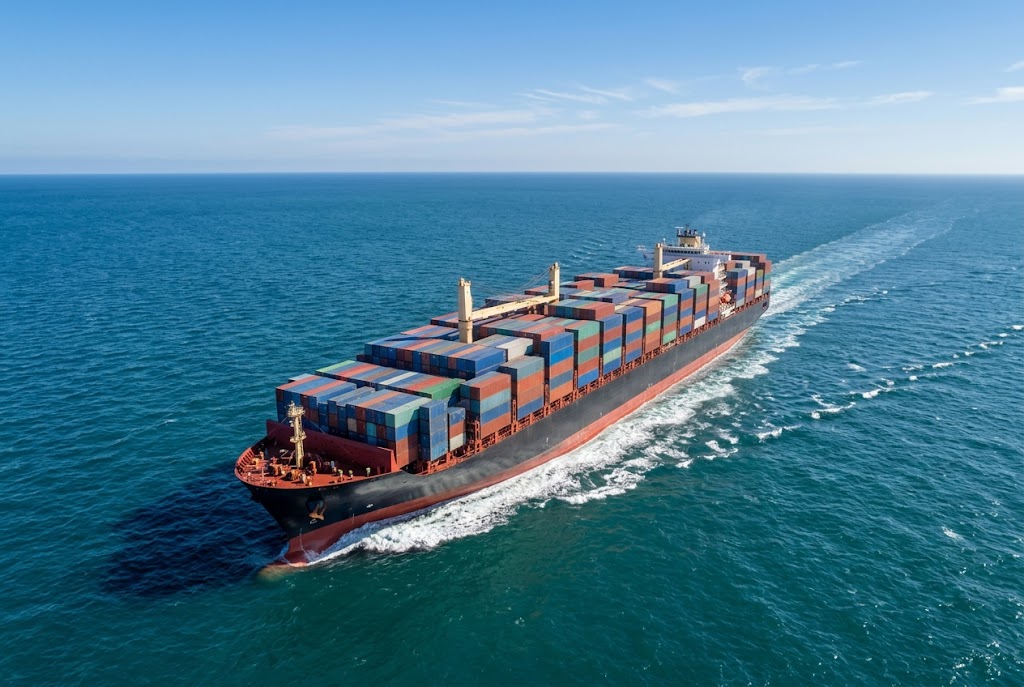
Approximately 23 percent of Middle East to Europe chemical shipments continue routing via the Cape of Good Hope. This figure persists despite full Hormuz accessibility and normalized port operations. Shippers actively maintain these de-risked routes to protect their customers from future geopolitical shocks.
Supply chain resilience now outweighs pure transit speed in buyer decision-making. Chemical manufacturers prefer the predictability of the longer route over the lingering uncertainty of the strait. This behavioral shift ensures that a significant portion of global chemical tonnage will permanently avoid the Middle East chokepoint.
Downstream buyers actively reward suppliers who guarantee delivery via these safer southern routes. The 23 percent routing shift represents a fundamental change in global trade psychology. Companies prioritizing supply security over transit speed will dominate the post-crisis chemical market.
Product-Specific Impacts of the Cape Route Premium
The Cape Route Premium affects different chemical products in distinct ways. High-volume commodities like Monoethylene Glycol and polyethylene absorb the largest absolute cost increases. A $75 per tonne premium on a high-volume polymer shipment drastically alters the final landed price for European buyers.
Specialty chemicals with higher base values experience a smaller percentage impact from the freight premium. However, the absolute cost increase still squeezes margins for importers of these materials. Procurement managers must calculate the specific premium impact for every individual product category.
Middle Eastern methanol exporters face intense pressure from North American competitors. The Cape Route Premium gives U.S. Gulf Coast methanol a distinct pricing advantage in the European market. This dynamic forces Middle Eastern producers to lower their ex works prices to remain competitive.
Spot Market Versus Contract Market Dynamics
The spot market reacted immediately to the routing changes and elevated insurance costs. Spot freight rates for Middle East to Europe voyages spiked and never returned to normal. This spot market reality forces contract market negotiations to reset their baseline expectations.
Buyers negotiating annual contracts must now accept the Cape Route Premium as a standard component. Suppliers will refuse to sign long term agreements without explicit freight escalation clauses. The contract market has permanently adjusted to reflect the new logistical realities of global chemical trade.
This shift eliminates the historical advantage of signing long term fixed freight contracts. Both buyers and sellers now share the risk of ongoing maritime volatility. Contractual flexibility is the only way to navigate this new pricing environment successfully.
Modeling the Permanent Baseline Shift in 2027 Budgets
Finance and procurement departments must update their financial models to reflect this new reality. Procurement teams must integrate the Cape Route Premium into 2027 budgets as a fixed cost of goods sold. Treating this premium as a temporary surcharge will result in severe margin miscalculations next year.
Buyers should run sensitivity analyses assuming the $45 to $75 per tonne premium remains indefinitely. This approach ensures that product pricing remains profitable even if the geopolitical situation deteriorates further. Accurate budget modeling protects the company from unexpected margin compression during the next fiscal year.
Executive leadership must approve these revised baseline assumptions before finalizing annual procurement strategies. Ignoring the Cape Route Premium will lead to severe competitive disadvantages in the European market. Financial transparency regarding these freight costs is essential for long-term corporate stability.
Strategic Sourcing Adjustments for European Buyers
European chemical buyers must actively diversify their sourcing geography to mitigate these structural freight costs. Relying exclusively on Gulf-origin polymers and intermediates exposes companies to this permanent premium. Procurement teams should increase their allocation from North American and Asian suppliers to balance their landed costs.
Use regional sourcing to offset the Cape Route Premium on Middle East imports.
Negotiate long term freight contracts that lock in rates for the longer African routing distances.
Evaluate the total landed cost of alternative feedstocks rather than just the base ex works price.
This geographic diversification requires significant effort from procurement and technical teams. Qualifying new suppliers outside the Middle East takes time and resources. However, the long term supply chain security justifies this upfront investment.
What Procurement Teams Should Do Now
Chemical traders and importers must accept that the era of cheap Middle East freight is over. The Cape Route Premium fundamentally alters the competitive landscape for Gulf-origin chemical producers. Procurement professionals need to rebuild their landed cost models using the new $45 to $75 per tonne baseline.
Communicate this permanent cost shift to downstream customers immediately. Transparent pricing updates prevent margin erosion and maintain healthy commercial relationships. Proactive adaptation ensures your supply chain remains resilient and financially viable in the post-crisis environment.
Ready to source Monoethylene Glycol from verified global suppliers? Explore competitive offers on our platform today.
Sources
https://www.lloyds.com/market-insights/2026/war-risk-premiums-hormuz-transit
https://www.shippingwatch.com/carriers/Container/2026/cape-route-bunker-fuel-increase
https://www.icis.com/explore/resources/news/2026/gulf-chemicals-europe-freight-premium

Monoethylene glycol
Found this useful?