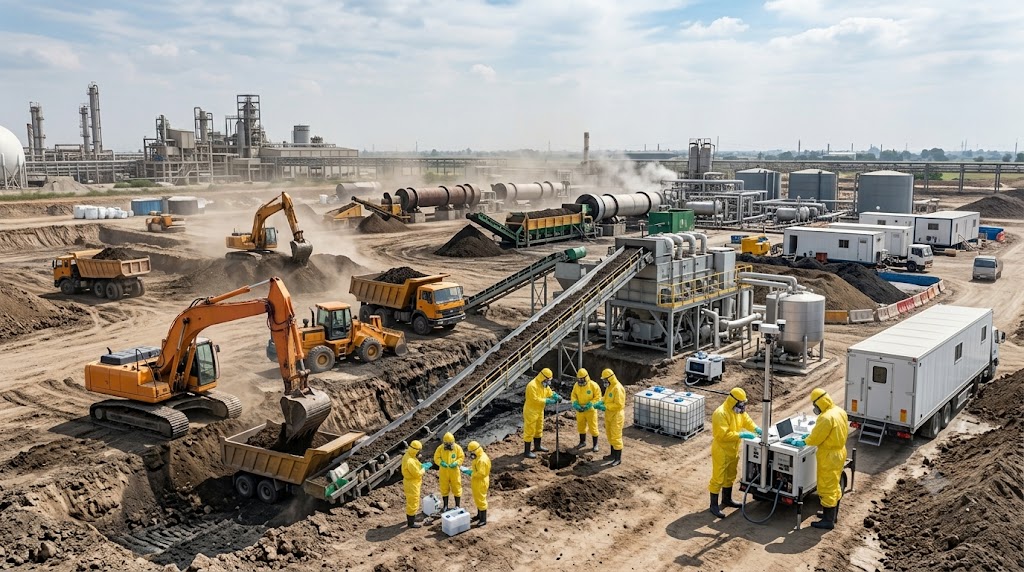
The EPA's designation of PFOA and PFOS as hazardous substances under the Comprehensive Environmental Response, Compensation, and Liability Act (CERCLA) stands as the single most consequential federal PFAS regulation for liability purposes. This remains true despite rollbacks or delays in other PFAS regulatory initiatives. For procurement teams managing chemical supply chains and manufacturers with historical PFAS use, this CERCLA designation creates retroactive liability exposure that extends decades into the past and potentially hundreds of millions or billions of dollars into the future.
The designation fundamentally differs from other PFAS regulations because CERCLA operates through strict, joint and several liability mechanisms that can hold any party in a contamination chain responsible for entire cleanup costs regardless of their actual contribution or fault.
What CERCLA Hazardous Substance Designation Actually Means
CERCLA, commonly known as Superfund, provides the federal framework for cleaning up contaminated sites and assigning financial responsibility to potentially responsible parties (PRPs).
When EPA designates a chemical as a CERCLA hazardous substance, it triggers several critical legal consequences:
Strict liability where parties can be held responsible regardless of negligence or fault
Retroactive application covering releases that occurred before the designation
Joint and several liability allowing EPA or private parties to pursue any single PRP for entire cleanup costs
Reportable quantity obligations requiring immediate notification when releases exceed specified thresholds
These liability mechanisms create exposure far exceeding typical regulatory compliance costs. A facility that released PFOA or PFOS decades ago when the activity was legal can now face Superfund cleanup liability totaling tens or hundreds of millions of dollars.
PFOA and PFOS Specifically
PFOA (perfluorooctanoic acid) and PFOS (perfluorooctanesulfonic acid) represent two of the most widely studied and environmentally prevalent PFAS chemicals.
Historical uses included:
PFOA as processing aid in fluoropolymer production and component in certain firefighting foams
PFOS in aqueous film-forming foams (AFFF), surface treatments and industrial applications
Manufacturing intermediates for various fluorinated products
Metal plating and electronics applications requiring specialized surface properties
Both substances were phased out of US production by major manufacturers during the 2000s and early 2010s under EPA voluntary stewardship programs. However, legacy contamination from historical manufacturing, use and disposal persists at thousands of sites nationwide.
The chemicals' extreme persistence means that releases from decades ago remain in groundwater, soil and surface water creating ongoing contamination requiring remediation.
Why Other PFAS Rollbacks Don't Eliminate This Risk
Recent regulatory and political shifts have delayed or weakened some proposed PFAS regulations. However, the CERCLA designation remains intact and fundamentally different from other regulatory mechanisms.
Other PFAS initiatives affected by rollbacks include:
Proposed restrictions on PFAS use in specific applications
Manufacturing and import reporting requirements
Certain disclosure obligations
Proposed expansions to additional PFAS beyond PFOA and PFOS
The CERCLA designation survived because it addresses existing contamination rather than prospective regulation of ongoing activities. Cleanup obligations for sites already contaminated provide different policy rationale than restricting future chemical use.
Additionally, CERCLA designation followed extensive rulemaking including public comment, economic analysis and legal review. Reversing final rules requires similar process making quick rollbacks difficult.
The Retroactive Liability Dimension
CERCLA's retroactive nature creates the most concerning liability dimension for companies with historical PFOA or PFOS use.
Retroactivity means:
Companies face liability for releases that occurred before CERCLA designation
Activities legal at the time they occurred now trigger cleanup responsibility
Corporate transactions involving contaminated properties create successor liability
Statute of limitations does not apply to CERCLA cost recovery actions in many circumstances
A manufacturing facility that used PFOA in production processes during the 1990s and disposed of waste according to then-applicable regulations now faces potential Superfund liability for that historical activity.
The facility cannot defend based on compliance with regulations in effect when the releases occurred. CERCLA holds PRPs responsible regardless of historical legal compliance.
Joint and Several Liability's Multiplier Effect
CERCLA's joint and several liability framework allows EPA or private parties to pursue any single PRP for entire cleanup costs even if that party contributed minimally to total contamination.
How this works in practice:
Site contamination involves PFOA releases from multiple sources over decades
EPA identifies hundreds of PRPs including current owner, past owners, waste generators and transporters
EPA pursues financially capable PRPs for full cleanup costs often totaling $50-200 million
Pursued PRP must pay then seek contribution from other PRPs through separate litigation
This mechanism places maximum financial burden on solvent, identifiable parties rather than distributing costs proportionally among all contributors.
For procurement teams, this means that sourcing PFAS-containing materials or disposing of PFAS waste creates potential liability extending far beyond the value of the materials or disposal services purchased.
Supply Chain Liability Extension
CERCLA liability extends throughout supply chains in ways that surprise companies believing they have minimal PFAS exposure.
Supply chain liability pathways include:
Generator liability for companies creating PFAS-containing waste even if disposal was contracted to third parties
Transporter liability for companies moving PFAS waste to disposal sites
Arranger liability for parties who arranged for disposal or treatment of PFAS materials
Facility operator liability for current and past operators of contaminated sites
A company that purchased PFOA-containing materials, used them in manufacturing and sent waste to licensed disposal facilities faces potential liability as generator and arranger if that disposal site becomes Superfund cleanup.
The company cannot escape liability by proving it selected a licensed facility, paid appropriate fees or followed regulations. CERCLA disregards these defenses in pursuit of cleanup funding.
Financial Scale of Potential Liability
CERCLA cleanup costs for PFAS contamination reach staggering levels making this among the most financially significant environmental liabilities companies face.
Cost drivers include:
Groundwater treatment systems operating for decades removing persistent PFAS
Soil excavation and disposal at specialized landfills accepting PFAS waste
Investigation and monitoring characterizing contamination extent and tracking cleanup progress
Long-term operation and maintenance of treatment systems over 30+ year timeframes
Individual site cleanups routinely cost $50-100 million or more. Sites with extensive groundwater contamination affecting drinking water supplies can exceed $500 million.
Companies designated as PRPs face these costs regardless of profitability, current financial condition or whether PFAS activities represented minor portions of historical operations.
Insurance Coverage Disputes
CERCLA liabilities trigger complex insurance coverage disputes that can take years to resolve and often provide less recovery than PRPs expect.
Insurance complications include:
Pollution exclusions in many policies denying coverage for environmental contamination
Trigger debates about which policy years respond to contamination occurring over decades
Notice requirements where failure to timely notify insurers creates coverage defenses
Allocation disputes among multiple insurers across different policy periods
Companies discovering PFAS-related PRP status should immediately engage insurance coverage counsel and provide notice to all potentially applicable insurers. However, full insurance recovery should not be assumed given the contentious nature of environmental coverage litigation.
Even successful insurance claims often recover only portions of total costs after years of expensive coverage litigation.
What Procurement Teams Must Understand
Chemical buyers managing procurement should recognize that purchasing decisions create potential CERCLA liability extending far beyond purchase price or contract terms.
Critical procurement considerations:
PFAS content transparency requiring detailed disclosure of fluorinated substances in purchased materials
Waste disposal chain documenting how materials eventually get disposed and by whom
Vendor financial stability assessing whether suppliers will remain viable to share potential future liability
Contractual indemnification addressing allocation of environmental liability though enforceability varies
Specific high-risk procurement categories include:
Firefighting foams containing PFAS compounds
Metal plating chemicals and surface treatment products
Electronics manufacturing materials
Specialty lubricants and coatings
Textile treatment chemicals
Procurement teams should work with legal and environmental functions to develop PFAS screening protocols for new materials and track historical purchases creating potential liability exposure.
Manufacturing Facility Liability Assessment
Companies operating facilities that historically manufactured, used or disposed of PFOA or PFOS must assess their potential CERCLA exposure.
Assessment steps include:
Historical use review documenting PFAS-containing materials used across facility history
Waste disposal records identifying where PFAS waste was sent for treatment or disposal
Environmental sampling characterizing on-site soil and groundwater contamination
Off-site migration evaluation determining whether contamination has spread beyond property boundaries
This assessment serves multiple purposes. It provides information needed to estimate potential cleanup costs and liability. It identifies steps to limit ongoing releases reducing future exposure. It creates documentation useful in negotiations with regulatory agencies or other PRPs.
Facilities discovering significant contamination face difficult decisions about voluntary cleanup versus waiting for regulatory action. Voluntary action demonstrates good faith and provides control over cleanup approach but also acknowledges liability.
Real Estate Transaction Implications
CERCLA designation makes PFOA and PFOS contamination a critical issue in commercial real estate transactions.
Transaction impacts include:
Property owner liability for contamination even if current owner did not cause it
Due diligence requirements demanding extensive environmental investigation before purchase
Price adjustments reflecting cleanup costs and liability risk
Representations and warranties allocating environmental liability between buyer and seller
Properties with known or suspected PFAS contamination face severely depressed values. Some properties become effectively unmarketable until contamination gets addressed.
Buyers must conduct thorough Phase I and Phase II environmental assessments specifically addressing PFAS. Standard environmental investigations may not adequately characterize PFAS given specialized sampling and analytical methods required.
Sellers should disclose known PFAS issues avoiding fraudulent concealment claims that can extend liability beyond contractual allocation provisions.
Litigation Trends and Case Law Development
CERCLA PFAS litigation is rapidly evolving as PRPs, EPA and affected communities pursue cost recovery and cleanup obligations.
Emerging litigation patterns include:
Government cost recovery actions against manufacturers, users and disposers
Private party contribution claims allocating costs among PRPs
Toxic tort litigation by individuals claiming health impacts from PFAS exposure
Natural resource damage claims seeking compensation for environmental harm
Early CERCLA PFAS cases establish precedents around defenses, allocation methodologies and recoverable costs. PRPs should monitor case law development understanding how courts interpret CERCLA application to PFAS contamination.
The litigation will extend over decades as contamination at thousands of sites gets investigated, remediated and subject to cost recovery actions. Legal costs alone run into hundreds of millions collectively across all affected parties.
What About Contribution Protection and Settlements?
Companies facing PFAS-related CERCLA liability often ask whether settlements or contribution protection agreements provide complete resolution.
Settlement mechanisms include:
Consent decrees where PRPs agree to perform cleanup in exchange for covenant not to sue
Cashout settlements where PRPs pay money to EPA or other parties in exchange for release from liability
Allocation agreements among PRPs dividing costs based on relative responsibility
De minimis settlements for parties contributing minor amounts receiving complete release
However, protection has limits. Settlements with EPA do not prevent suits by private parties or state governments pursuing their own claims. Contribution protection depends on settlement agreement language and applicable case law.
Additionally, settlements typically provide protection only for known contamination at specified sites. Later-discovered contamination or migration to new areas can create additional liability not covered by existing settlements.
How Manufacturing Strategy Should Adapt
Chemical manufacturers must incorporate CERCLA liability considerations into strategic planning around PFAS use, production and product development.
Strategic adaptations include:
PFAS elimination where technically and economically feasible to avoid future liability
Waste minimization reducing quantities of PFAS-containing materials sent off-site
Captive disposal maintaining on-site treatment avoiding generator liability at third-party facilities
Alternative chemistry development creating PFAS-free products meeting performance requirements
These strategic shifts involve substantial R&D investment and potential performance tradeoffs. However, they must be evaluated against potentially massive future CERCLA liabilities that could dwarf product development costs.
Management teams must weigh near-term costs of PFAS elimination against long-term liability risk when making product portfolio and manufacturing technology decisions.
The Municipal Water System Dimension
A particularly costly PFAS liability pathway involves contamination of municipal drinking water systems requiring treatment to meet EPA health advisories or enforceable standards.
Municipal system impacts include:
Treatment costs installing and operating advanced filtration removing PFAS from drinking water
Alternative water sources developing new wells or surface water intakes avoiding contaminated areas
System monitoring conducting extensive testing to characterize contamination and verify treatment effectiveness
Rate impacts passing costs to customers potentially affecting economic development and property values
Municipalities are pursuing cost recovery litigation against PFAS manufacturers, users and disposers seeking hundreds of millions in treatment and monitoring costs.
These lawsuits often involve multiple municipalities joining together in consolidated litigation creating enormous aggregate liability exposure for defendants.
State-Level Overlays and Parallel Requirements
While CERCLA provides federal framework, many states have equivalent or more stringent cleanup programs creating additional liability layers.
State program characteristics:
Stricter cleanup standards requiring lower residual PFAS concentrations than federal levels
Broader PRP liability including parties not covered under federal CERCLA
Faster enforcement timelines with more aggressive cleanup deadlines
Additional PFAS substances designated as hazardous beyond PFOA and PFOS
Companies must comply with most stringent applicable standard whether federal or state. A cleanup meeting CERCLA requirements may still violate state law if state standards are lower.
Liability assessment must account for all applicable regulatory programs not just federal CERCLA.
What Risk Management Actually Looks Like
Companies facing PFAS-related CERCLA exposure should implement comprehensive risk management programs.
Program elements include:
Exposure identification documenting all historical and current PFAS activities
Financial reserves estimating potential cleanup costs and establishing accounting reserves
Insurance analysis identifying potentially applicable coverage and pursuing recovery
Legal strategy development preparing for potential PRP designation and cost recovery demands
Disclosure obligations meeting SEC and accounting requirements for material environmental liabilities
Proactive measures include:
Conducting voluntary investigations characterizing contamination extent before regulatory action
Engaging with EPA and state agencies early in cleanup planning processes
Negotiating favorable allocation among PRPs reducing individual company share
Implementing source control measures limiting ongoing releases
The companies managing PFAS CERCLA risk most effectively treat it as enterprise risk requiring board-level attention and cross-functional coordination rather than purely environmental compliance matter.
The Bottom Line for Chemical Industry
EPA's CERCLA designation of PFOA and PFOS as hazardous substances creates liability exposure dwarfing most other PFAS regulations. The designation's retroactive application, strict liability standard and joint and several liability framework make it fundamentally different from prospective use restrictions or disclosure requirements.
For procurement teams, the designation means that historical purchasing decisions involving PFAS materials create potential multi-million dollar liabilities extending decades into the future. For manufacturers, facilities that used these substances legally decades ago now face Superfund cleanup obligations.
The risk has not eased despite rollbacks in other PFAS initiatives. CERCLA liability persists regardless of political shifts, affecting companies until contamination gets remediated, costs get allocated among PRPs and litigation resolves.
Understanding the designation's mechanics, financial implications and strategic responses separates companies that manage PFAS liability effectively from those that discover exposure only when EPA designates them as PRPs demanding immediate cleanup funding.
The CERCLA hazardous substance designation represents the most consequential PFAS development for liability purposes. Companies ignoring this reality face potentially catastrophic financial consequences.
Ready to source Sodium Hypochlorite from verified global suppliers? Explore competitive offers on our platform today.