Global Chemical Industry Winners and Losers 2026 | ChemicalsBlog | ChemicalsBlog.com
Rankings & Industry Intelligence
schedule5 Min Read
The Global Chemical Rankings After the Hormuz Crisis: Winners, Losers, and What's Next
terminal
prodchem
Jul 9, 2026
The chemical industry entered 2026 already navigating one of its most challenging periods in recent decades.
Commodity petrochemical markets were characterised by excess capacity, compressed margins and cautious capital investment. As the year progressed, additional geopolitical disruption created further pressure on logistics, feedstock availability and regional competitiveness.
Taken together, these developments have altered the competitive landscape across several chemical segments.
For procurement professionals, the important question is not simply who performed better or worse during 2026, but which changes are likely to prove temporary and which may represent longer-term structural shifts.
The Industry Is Becoming More Segmented
One of the clearest conclusions from recent industry analysis is that chemical markets are increasingly diverging by business model.
Recent developments show differing performance across:
Commodity petrochemicals.
Specialty chemicals.
Fertilizers.
Industrial gases.
Electronic chemicals.
Each segment is responding differently to changing economic conditions, creating very different commercial environments for procurement teams.
Segments Showing Greater Resilience
Several parts of the chemical industry demonstrated comparatively stronger performance during the year.
These include:
Fertilizers
Leading fertilizer producers generally benefited from stronger market conditions than commodity petrochemical businesses.
Factors supporting performance included:
Agricultural demand.
Strategic importance of food production.
More favourable pricing conditions.
Continued investment in production capacity.
Industrial Gases
Industrial gas companies continued benefiting from:
Long-term customer contracts.
Stable cash generation.
High switching costs.
Mission-critical industrial applications.
Selected Specialty Chemicals
Companies serving advanced manufacturing, electronics and technology-intensive applications generally remained more resilient than commodity-focused businesses.
Their advantages include:
Higher-value products.
Customer-specific solutions.
Greater pricing discipline.
Stronger innovation capability.
Segments Facing Continued Pressure
Commodity petrochemicals remain the most challenged major segment.
Published industry analysis continues highlighting:
Global overcapacity.
Margin compression.
Intense international competition.
Ongoing portfolio restructuring.
Capacity rationalisation in selected regions.
These conditions continue affecting many integrated petrochemical producers regardless of geography.
Regional Competitive Positions Continue Evolving
The changing commercial environment has also highlighted regional differences in competitiveness.
Several themes continue emerging:
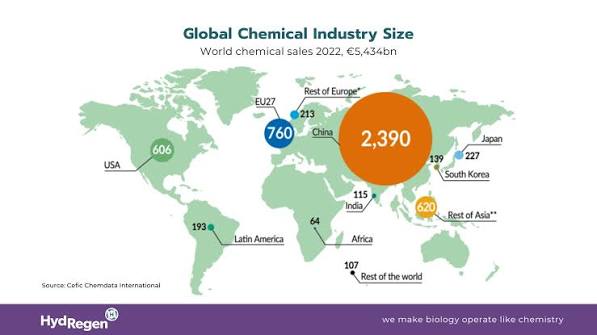
North American producers retain advantages where competitive feedstocks and integrated infrastructure support manufacturing economics.
Morocco's phosphate industry has gained greater international visibility through fertilizer markets.
European producers continue reviewing commodity portfolios while increasing focus on higher-value businesses.
Asian manufacturers continue adapting to changing regional demand and competitive capacity additions.
These developments suggest procurement teams should continue evaluating suppliers according to regional strengths as well as company performance.
The Key Question Is Structural Versus Cyclical Change
Perhaps the most important analytical challenge is determining which developments represent long-term structural changes and which reflect temporary market conditions.
Indicators that may suggest structural change include:
Permanent capacity closures.
Long-term portfolio restructuring.
Major investment redirection.
Sustained changes in production geography.
Continued capital allocation toward higher-value segments.
Indicators that are more likely to be cyclical include:
Short-term commodity price movements.
Temporary demand fluctuations.
Inventory corrections.
Freight rate volatility.
Seasonal purchasing patterns.
Understanding this distinction is essential when developing procurement strategies extending into 2027.
Procurement Strategy Should Reflect Structural Trends
For procurement professionals, the practical value of industry intelligence lies in converting market developments into sourcing decisions.
Several strategic priorities emerge from the current market environment.
Continue Segment-Based Supplier Evaluation
Rather than evaluating suppliers solely by company size or annual revenue, procurement teams should classify suppliers according to their primary business model.
Different procurement approaches are appropriate for:
Corporate restructuring activity has accelerated across parts of the industry.
Procurement teams should continue monitoring:
Divestitures.
Capacity rationalisation.
Investment announcements.
Manufacturing footprint changes.
Strategic partnerships.
Capital expenditure priorities.
These developments often provide earlier indications of future supply conditions than pricing data alone.
Build Flexibility Into Long-Term Contracts
Although current market conditions remain favourable for buyers in many commodity categories, procurement contracts should recognise that market cycles eventually change.
Best practice includes:
Index-linked pricing mechanisms.
Scheduled commercial reviews.
Volume flexibility.
Clearly defined force majeure provisions.
Alternative sourcing options.
Balanced risk-sharing clauses.
Flexible agreements are generally more resilient than contracts based on fixed assumptions about future market conditions.
The Winners and Losers May Continue Changing
The chemical industry has always been cyclical.
Today's strongest-performing segment may face different conditions several years from now, while currently challenged sectors may recover as supply and demand rebalance.
For this reason, procurement professionals should avoid assuming that current rankings represent permanent competitive positions.
Instead, they should continuously monitor:
Capital investment.
Capacity utilisation.
End-market demand.
Feedstock competitiveness.
Technology development.
Regulatory changes.
These indicators often provide earlier signals of changing competitive dynamics than annual financial results.
Looking Ahead to 2027
The combined evidence from recent industry publications suggests that the competitive landscape has become increasingly differentiated. Commodity petrochemical producers continue adapting to overcapacity and portfolio restructuring, while fertilizer producers, industrial gas companies and many specialty chemical businesses have demonstrated comparatively stronger resilience. These differences reinforce that supplier performance is now driven as much by business model and market exposure as by corporate scale.
For procurement professionals, the critical challenge is distinguishing between temporary market disruption and lasting structural change. Portfolio optimisation, capacity rationalisation, investment in higher-value specialty businesses and regional shifts in manufacturing competitiveness are likely to influence the industry well beyond the current cycle. By contrast, freight volatility, short-term price movements and inventory adjustments are more likely to moderate as market conditions stabilise.
The key lesson for 2027 planning is that procurement strategy should combine tactical flexibility with long-term structural awareness. Organisations that monitor supplier investment decisions, manufacturing geography, financial resilience and segment-specific market dynamics—rather than relying solely on short-term pricing—will be better positioned to build resilient supply chains and respond effectively as the next phase of the chemical capital cycle develops.
Ready to source commodity and specialty chemicals from verified global suppliers with resilient international supply networks? Explore competitive offers on our platform today.