The Green Premium Collapse: How Crisis Pricing Eliminated Willingness to Pay for Low-Carbon Chemicals
The low-carbon chemicals market experienced a dramatic demand shift during the second quarter of 2026. Industrial customers abruptly prioritized basic supply security over carbon footprint reduction. This sudden behavioral change completely eliminated the willingness to pay for sustainable alternatives.
The crisis proved that current low-carbon chemicals business models rely heavily on discretionary customer preference. That preference evaporates instantly during severe supply chain disruptions. Procurement managers and sustainability directors must now confront this harsh market reality.
Companies building their 2027 to 2030 sustainable product portfolios need to model demand scenarios where green premiums compress to zero for extended periods. Project economics must survive preference-free commodity competition to remain viable. The 135-day Hormuz disruption served as a definitive proof of concept for this vulnerability.
The Mechanics of Sustainability Premium Destruction Under Stress
The concept of a green premium assumes stable market conditions. Buyers willingly pay extra for certified circular or bio-based materials when supply is abundant. The 135-day Hormuz disruption shattered this assumption entirely.
Customers facing production halts stopped caring about carbon attributes. They accepted any available material to keep their facilities running. This immediate survival instinct destroyed the pricing power of sustainable chemical products.
Procurement managers have a fiduciary duty to maintain operational continuity. Paying a premium for sustainability becomes impossible when the alternative is a complete plant shutdown. The market rapidly reverted to pure commodity dynamics.
Case Studies in Green Premium Compression
Real-world market data from April to June 2026 illustrates this collapse clearly. SABIC reported a major shift in its certified circular polyethylene sales. These products typically command a 15 to 25 percent price premium over virgin alternatives.
By May, this premium vanished entirely. The material shifted to parity pricing as buyers scrambled for any available polyethylene. Carbon attributes became irrelevant compared to physical availability at the receiving terminal.
Covestro experienced a similar dynamic with its bio-based MDI. The order book for this sustainable product declined 34 percent in the second quarter compared to the first quarter of 2026. Polyurethane foam manufacturers simply reverted to conventional MDI to secure crisis-period availability.
These manufacturers prioritized immediate feedstock access over long-term environmental goals. Existing logistics corridors for conventional materials remained more reliable than emerging bio-based supply chains. This operational reality forced a rapid reversal in purchasing behavior across the entire polyurethane sector.
The Anomaly of Carbon-Neutral LNG Spot Pricing
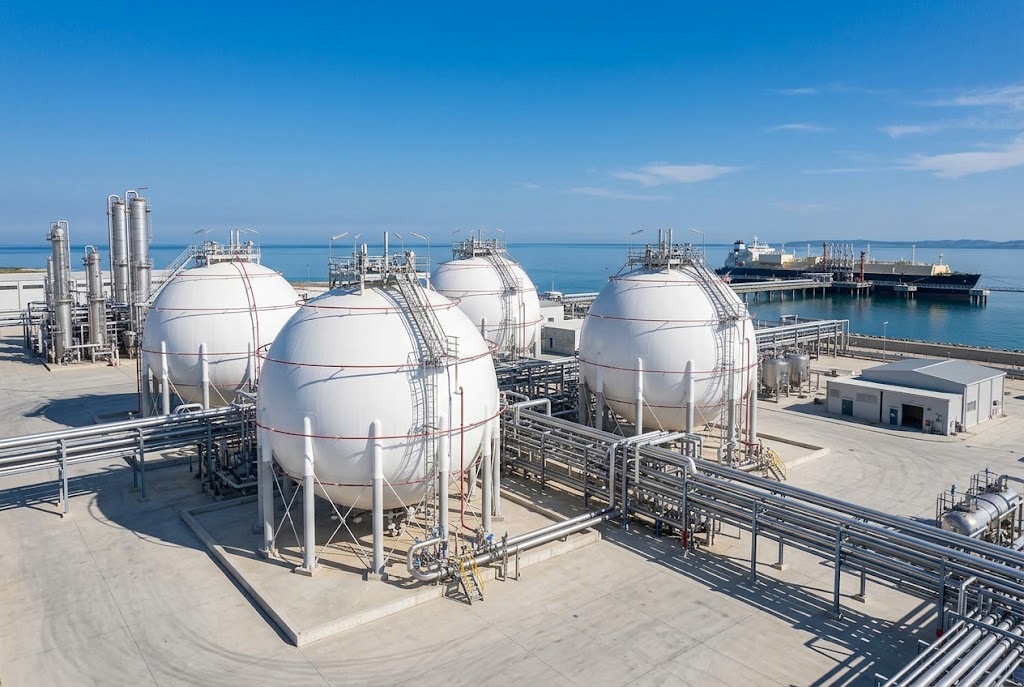
The energy sector witnessed an even more extreme version of this phenomenon. Carbon-neutral LNG previously traded as a premium product for environmentally conscious buyers. Suppliers marketed this certification as a key differentiator in a crowded market.
During peak tanker shortages, this dynamic inverted completely. Carbon-neutral LNG traded at a discount to conventional LNG in spot markets. Buyers viewed the certification as a logistical complication rather than a value add.
The administrative burden of verifying carbon neutrality became a liability during a crisis. Traders prioritized vessels that could deliver immediately without complex documentation requirements. This pricing anomaly highlights a fundamental truth about commodity markets.
Sustainability credentials only hold financial value when the underlying physical supply chain functions normally. Once that chain fractures, buyers revert to the simplest possible transaction.
Modeling Demand Scenarios for 2027 to 2030 Portfolios
Chemical companies must fundamentally redesign their financial models for sustainable products. Relying on a permanent green premium is a dangerous strategic assumption. Executives must model demand scenarios where sustainable premiums compress to zero for 90 to 180 day periods.
Project economics for new low-carbon facilities must remain positive even when competing purely on commodity pricing. This requires aggressive cost reduction in bio-based and circular production pathways. Companies cannot rely on customer goodwill to subsidize inefficient manufacturing processes.
Capital expenditure decisions must account for prolonged periods of margin compression. Investors will scrutinize the resilience of sustainable product lines during the next inevitable supply shock. Financial models must prove viability without the crutch of a sustainability premium to secure future funding.
Strategic Implications for Procurement and Sales Teams
Procurement professionals should leverage this market shift to negotiate better long-term contracts. Suppliers of low-carbon chemicals are now highly motivated to secure baseline volume commitments. Buyers can demand parity pricing or minimal premiums in exchange for multi-year offtake agreements.
This strategy locks in sustainable supply without paying crisis-era premiums. It also provides suppliers with the revenue predictability needed to fund capacity expansions. Both parties benefit from a more stable and transparent commercial relationship.
Sales teams must also adapt their value propositions significantly. Emphasizing carbon reduction is no longer sufficient during volatile market conditions. Representatives must highlight supply chain resilience and guaranteed allocation as the primary benefits of their sustainable products.
Reliability now outweighs environmental metrics in buyer decision-making. Suppliers who can prove consistent delivery will win contracts over those who only offer carbon certificates. Operational execution is the new primary sustainability metric.
Regulatory Pressures and Contractual Adaptations
Regulatory frameworks continue to mandate higher recycled and bio-based content across the chemical industry. However, these mandates often lack flexibility for severe supply chain disruptions. Companies must proactively build contractual adaptations to handle these compliance gaps.
Force majeure clauses should explicitly address the suspension of green premium requirements during verified supply shocks. This protects buyers from paying inflated prices for sustainability credentials they cannot practically utilize. It also shields suppliers from breach of contract claims when delivery timelines slip.
Sustainability reporting standards must evolve to reflect this operational reality. Auditors should accept documented supply chain disruptions as valid reasons for temporary drops in verified recycled content. This pragmatic approach prevents companies from resorting to creative accounting during genuine crises.
The Bottom Line for Procurement Teams
The 2026 supply crisis provided a definitive stress test for the low-carbon chemicals market. The results clearly show that sustainability premiums are fragile and highly conditional. Companies must build business models that survive preference-free commodity competition.
Relying on discretionary buyer willingness to pay is a recipe for financial failure during the next disruption. Procurement and sustainability leaders must collaborate to secure resilient supply chains. They must negotiate contracts that guarantee physical delivery without excessive green premiums.
The era of easy sustainability premiums is over. The market has spoken clearly through price signals and operational data. Companies that adapt their financial models now will dominate the next decade of chemical trading.
Ready to source Polyethylene Terephthalate (PET) from verified global suppliers? Explore competitive offers on our platform today.
Sources
https://www.sabic.com/en/newsroom/2026/circular-polyethylene-pricing-shift
https://www.covestro.com/en/newsroom/2026/bio-based-mdi-order-book-decline
https://www.spglobal.com/commodityinsights/2026/carbon-neutral-lng-spot-market-discount
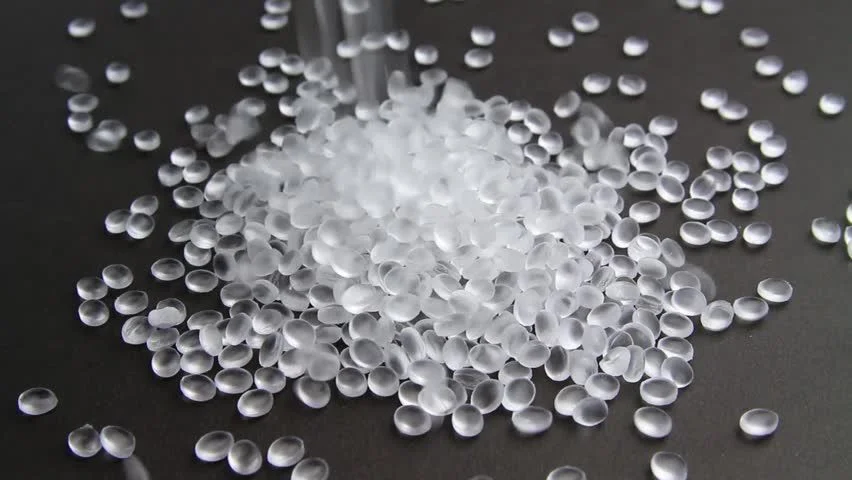
Polyethylene Terephthalate (PET)
Found this useful?