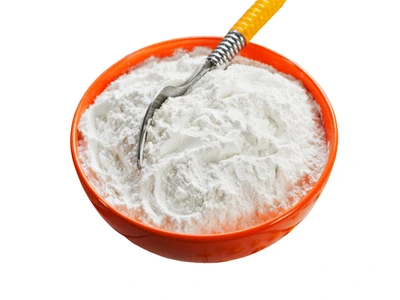
Modified starch has become one of the most versatile functional ingredients in commercial bakery manufacturing. From cream-filled pastries and custard tarts to frozen dough and premium desserts, the right starch delivers texture, moisture retention and stability that consumers expect. However, successful procurement depends on more than selecting a particular chemical modification. The real requirement is defining the functional performance needed in the finished product.
For procurement professionals, this distinction is critical. A supplier may provide a technically compliant acetylated or cross-linked starch, yet the ingredient may still fail in production if its viscosity profile, moisture retention or freeze-thaw performance does not match the application. Performance-based specifications help manufacturers receive ingredients that consistently meet production and quality expectations.
Why Bakery Applications Require Specialised Modified Starches
Bakery products expose starches to conditions that differ significantly from sauces, dairy products or confectionery.
During processing, starches may experience:
High baking temperatures.
Rapid cooling after baking.
Refrigerated storage.
Freezing and thawing during distribution.
Extended shelf-life requirements.
Each condition places different demands on starch functionality, making application-specific selection essential.
Different Bakery Applications Need Different Functional Properties
Modified starches are selected according to how they perform within the finished product rather than how they were chemically modified.
Examples include:
Cold-water-swelling starches, which help retain moisture, improve softness and extend shelf life in baked goods.
Cook-up starches, commonly used in custard fillings, cream pies and bakery fillings where controlled thickening during heating is required.
Waxy maize-based modified starches, valued for excellent freeze-thaw stability in frozen dough, frozen desserts and ready-to-bake products.
Although these starches may belong to different modification categories, procurement specifications should focus on the desired performance inside the finished bakery product.
Functional Specifications Deliver Better Procurement Outcomes
Many purchasing specifications still focus primarily on modification chemistry such as acetylated, cross-linked or hydroxypropylated starches.
While these classifications describe the manufacturing process, they do not fully predict how the ingredient will behave during food production.
Instead, procurement teams should communicate performance requirements including:
These functional parameters provide suppliers with clearer performance targets and reduce the risk of receiving ingredients that satisfy technical documentation but fail during commercial production.
Two starches with the same modification type may perform differently depending on the botanical source, degree of modification and manufacturing process.
Corn, waxy maize, potato and tapioca starches each contribute different characteristics that influence viscosity, gel strength, processing stability and finished product texture.
For this reason, bakery manufacturers increasingly evaluate modified starches through application testing rather than relying solely on product specifications or modification categories.
Choosing the Right Functional Specification
Performance testing should form the foundation of every modified starch purchasing decision.
Rather than requesting only a specific modification type, procurement teams should work with product development and quality assurance departments to define measurable functional targets for each application.
Important specification parameters include:
Target paste viscosity throughout the production process.
Stability after repeated freeze-thaw cycles.
Moisture retention during baking and storage.
Resistance to syneresis in fillings and desserts.
Finished product texture and mouthfeel.
Stability under the manufacturer's processing conditions.
These performance-based specifications help suppliers recommend the most suitable starch rather than simply supplying a chemically similar product.
Why Freeze-Thaw Stability Matters in Frozen Bakery Products
Frozen bakery continues to expand as manufacturers supply ready-to-bake products, frozen pastries and premium desserts.
During freezing and thawing, conventional starches may lose water, weaken product structure or create undesirable texture changes.
Modified waxy maize starches are frequently selected because they provide:
Improved water retention after thawing.
Reduced syneresis during frozen storage.
Better filling stability.
Consistent texture throughout shelf life.
For manufacturers producing frozen bakery products, freeze-thaw performance is often one of the most important purchasing criteria.
Modified starch suppliers typically offer broad product portfolios designed for different food categories.
Providing only the chemical modification type limits a supplier's ability to recommend the most appropriate ingredient.
Instead, procurement teams should communicate:
The finished bakery application.
Production temperatures and processing conditions.
Expected shelf life.
Storage conditions, including refrigeration or freezing.
Desired texture and appearance.
Packaging and distribution requirements.
This collaborative approach increases the likelihood of selecting a starch that performs consistently under commercial manufacturing conditions.
Common Procurement Mistakes to Avoid
Several sourcing practices can lead to formulation problems despite purchasing technically compliant products.
Common mistakes include:
Specifying only the modification chemistry without defining functional expectations.
Assuming all modified starches perform identically across bakery applications.
Ignoring freeze-thaw requirements for frozen products.
Failing to validate starch performance through production-scale trials.
Selecting products based solely on price instead of total manufacturing performance.
Avoiding these issues helps reduce reformulation costs, production delays and product quality complaints.
What Buyers Should Do Now
Modified starch plays a critical role in the texture, stability and shelf life of modern bakery products. However, successful procurement depends on understanding that functional performance matters more than chemical classification alone.
By specifying application requirements such as viscosity profile, moisture retention, clarity, freeze-thaw stability and finished product texture, procurement professionals give suppliers the information needed to recommend the most appropriate ingredient. This approach reduces the risk of receiving technically compliant starches that fail under real production conditions.
As bakery formulations become increasingly specialised, performance-based purchasing will continue to outperform specification-by-chemistry alone. Procurement teams that align ingredient specifications with finished product functionality can improve manufacturing consistency, reduce quality risks and build stronger supplier partnerships.