The Post-Hormuz Performance Penalty: Why Q2 2026 EBITDA Margins Mask Operational Excellence
Chemical industry Q2 2026 earnings reveal an average EBITDA margin compression of 340 basis points compared to Q2 2025. At first glance, this financial underperformance suggests widespread operational failure across the sector. However, this surface level metric completely masks the significant operational achievement companies demonstrated during unprecedented crisis conditions.
The margin compression primarily reflects external force majeure events rather than internal mismanagement. Gulf production remained offline for 60 to 180 days across major producers. Logistics costs surged dramatically as Suezmax tanker rates peaked 412 percent above the February 28 baseline according to Clarksons data.
Furthermore, companies absorbed heavy inventory valuation losses following the sharp reversals of March price spikes. Evaluating performance through traditional EBITDA lenses now penalizes teams that executed flawlessly under extraordinary circumstances.
Unpacking the 340 Basis Point EBITDA Margin Compression
The reported financial results require careful decomposition to separate controllable factors from macroeconomic shocks. Volume losses dominated the negative variance across the board. Producers with significant Gulf exposure faced prolonged facility shutdowns.
These outages were entirely outside management control and directly impacted top line revenue. Elevated logistics costs further eroded profitability for importers and exporters alike. Rerouting supply chains around the Cape of Good Hope added massive freight premiums to every shipped ton.
The 412 percent spike in Suezmax tanker rates directly ate into gross margins for chemical traders. Inventory valuation losses compounded the financial damage for many buyers. Procurement teams purchased essential feedstock during the initial March price spike to secure supply.
When markets stabilized and prices reversed, these companies recognized immediate accounting write downs. This accounting reality distorted the true operational picture of the quarter.
Exceptional Operational Performance Hidden in the Data
Despite the grim headline numbers, several companies demonstrated remarkable resilience during the disruption. Organizations that maintained a greater than 92 percent on stream factor at non Gulf assets achieved a major logistical triumph. Keeping complex facilities running smoothly during a global supply shock requires exceptional daily execution.
Successful feed slate pivots highlight this operational agility in real time. Dow executed a rapid switch to U.S. ethane to replace disrupted Gulf naphtha imports. This strategic maneuver secured continuous production when competitors faced severe feedstock shortages and potential plant idling.
Securing alternative supply within 45 days represents another critical victory for agile teams. Procurement professionals that rapidly qualified new vendors and established emergency logistics corridors prevented total production halts. These decisive actions preserved market share and vital customer relationships during the most volatile period of the crisis.
The Case for Crisis Adjusted Operational KPIs
ESG performance teams preparing 2026 H1 sustainability reports face a critical analytical challenge. Traditional key performance indicators will unfairly penalize operational staff for macroeconomic disruptions beyond their control. Companies must develop crisis adjusted operational KPIs to isolate controllable performance from force majeure impacts.
Standard metrics fail to account for the extraordinary conditions of the 135 day disruption. A facility operating at 85 percent capacity due to missing feedstock is performing exceptionally well under those specific constraints. Penalizing the plant manager for this output ignores the broader supply chain reality.
Crisis adjusted KPIs should focus heavily on response time and strategic adaptability. Metrics must evaluate how quickly teams identified and vetted alternative suppliers. They should measure the effectiveness of emergency logistics routing and inventory preservation strategies.
This approach provides a fair and accurate assessment of true operational excellence. It ensures that performance reviews reflect actual management capability.
Strategic Feedstock Pivots and Supply Chain Agility
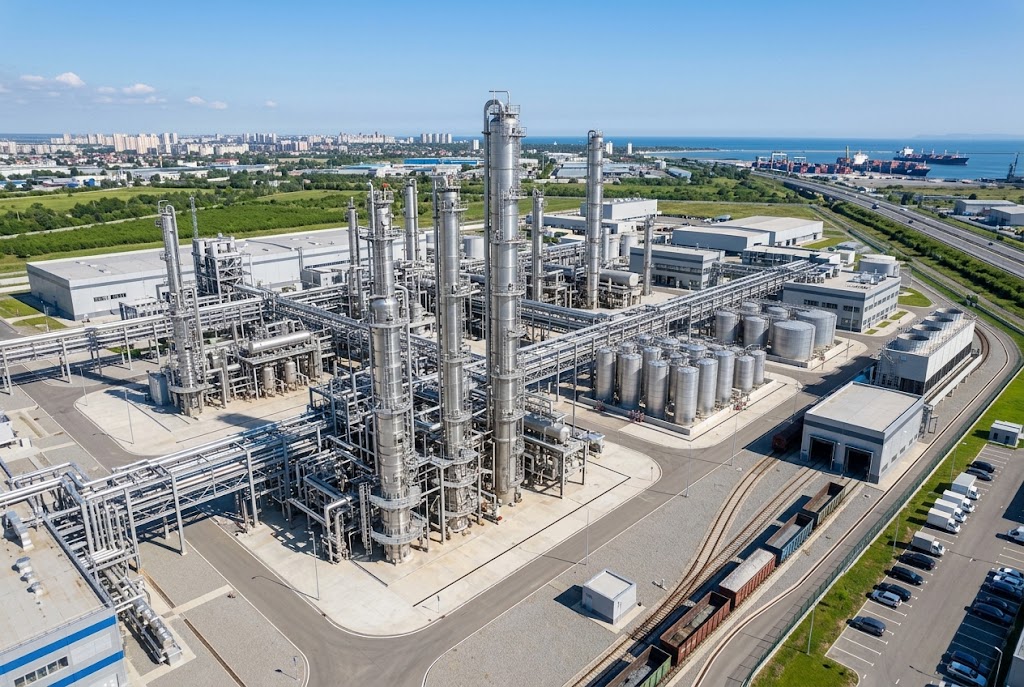
The ability to pivot feedstocks separated industry leaders from laggards during the extended crisis. Companies heavily reliant on a single regional supply source suffered the most severe margin compression. Those with flexible cracking assets gained a distinct competitive advantage in the market.
Switching from naphtha to ethane allowed North American and flexible European assets to maintain high utilization rates.
Rapid qualification of alternative marine terminals prevented critical inventory stockouts at key manufacturing sites.
Dynamic contract renegotiations protected buyers from the worst effects of spot market volatility.
These strategic decisions required deep interdisciplinary collaboration across the entire organization. Procurement, logistics and operations teams had to align perfectly to execute these pivots within the critical 45 day window.
Navigating Inventory Valuation and Logistics Realities
The inventory valuation losses deserve specific attention from financial and operational leaders. Many chemical companies operate on just in time inventory models that leave little room for error. When the Hormuz disruption hit, buyers rushed to secure inventory at peak prices.
This panic buying created a severe valuation mismatch. As the crisis persisted and alternative routes were established, market prices began to normalize. Companies holding high cost inventory faced immediate write downs that crushed their reported EBITDA margins.
Logistics realities further complicated this financial picture. The 412 percent increase in Suezmax tanker rates was not a temporary anomaly. It represented a structural shift in global shipping costs for the duration of the closure.
Companies that locked in long term freight contracts fared significantly better than those relying on spot market rates. This foresight protected their bottom line during the most turbulent months.
Preparing H1 2026 Sustainability Reports for Scrutiny
Sustainability reports for the first half of 2026 will face intense scrutiny from investors and external auditors. Simply reporting the raw EBITDA decline without proper context will raise unnecessary red flags. ESG teams must proactively frame the narrative around operational resilience and strategic adaptation.
Disclosures should explicitly detail the force majeure events that impacted production volumes. Reports must quantify the logistical premiums paid to maintain supply continuity for key customers. This transparency demonstrates management competence during a period of extreme market stress.
Highlighting the successful implementation of crisis adjusted KPIs will significantly strengthen the overall report. It shows that the company possesses sophisticated performance measurement frameworks capable of handling volatility. This level of analytical rigor builds essential trust with stakeholders reviewing the H1 2026 disclosures.
The Bottom Line for Procurement and Operations Teams
The chemical industry must move beyond simplistic financial metrics when evaluating Q2 2026 performance. The 340 basis point EBITDA margin compression tells an incomplete story of the operational reality on the ground. Companies that maintained high on stream factors and executed rapid feed slate pivots delivered exceptional value.
Procurement and operations leaders should actively advocate for the adoption of crisis adjusted operational KPIs. These metrics will ensure that high performing teams receive appropriate recognition for their crisis management efforts. Relying solely on traditional financial benchmarks will only distort internal performance reviews and future strategic planning.
Ready to source Monoethylene Glycol from verified global suppliers? Explore competitive offers on our platform today.
Sources
https://www.clarksons.com/shipping-news/2026/suezmax-tanker-rates-hormuz-disruption
https://www.dow.com/en-us/news/2026/operational-resilience-feedstock-pivot
https://www.chemicalweek.com/business/2026/q2-ebitda-margin-compression-analysis
https://www.icsa-global.org/reports/2026/crisis-adjusted-operational-kpis

Monoethylene glycol
Found this useful?