The South Korea 50% Cracker Rate Reduction: Confirmed Data and Recovery Trajectory
Introduction
South Korea is one of Asia's largest petrochemical production hubs, supplying key feedstocks and downstream chemicals to manufacturers across the region. Recent confirmed reports that several naphtha crackers have reduced operating rates to around 50% utilization have drawn significant attention from global chemical markets. The move reflects continued pressure from weak petrochemical margins, oversupply, high feedstock costs, and softer downstream demand.
For procurement professionals, reduced cracker operating rates are more than a production statistic—they directly influence the availability of ethylene, propylene, polyethylene (PE), polypropylene (PP), and other essential petrochemical products. Understanding the reasons behind these production cuts and the likely recovery trajectory can help buyers make better sourcing and inventory decisions during the second half of the year.
What Does a 50% Cracker Operating Rate Mean?
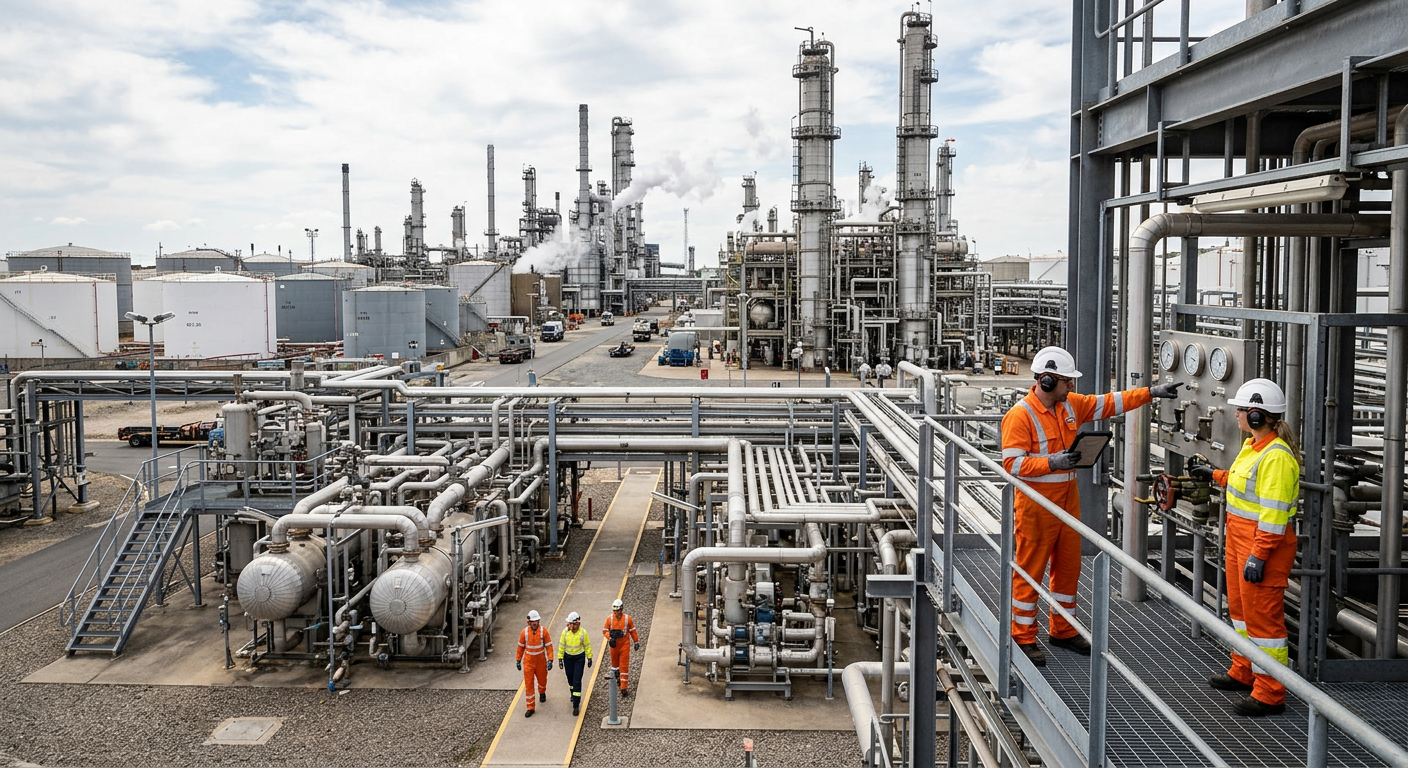
A steam cracker converts feedstocks such as naphtha into fundamental petrochemical building blocks, including ethylene, propylene, butadiene, and benzene. These products serve as the foundation for numerous plastics, synthetic rubbers, solvents, and industrial chemicals.
When cracker utilization falls to around 50%, it means producers are intentionally reducing production to align output with market demand and improve operating economics.
Lower operating rates generally result in:
Reduced availability of petrochemical feedstocks.
Lower downstream polymer production.
Better inventory management for producers.
Potential stabilization of market prices if supply tightens.
Why Are South Korean Producers Cutting Rates?
Several market conditions have contributed to these production reductions.
Weak Demand
Demand from packaging, construction, automotive, and consumer goods sectors has remained below expectations in many export markets.
Oversupply Across Asia
Significant capacity additions in recent years have increased regional supply, placing downward pressure on petrochemical margins.
High Feedstock Costs
Although energy prices have moderated from previous peaks, feedstock costs continue to challenge profitability for many naphtha-based producers.
Margin Protection
Reducing operating rates helps producers minimize financial losses while waiting for market conditions to improve.
Which Products Could Be Affected?
Lower cracker utilization can influence the supply of several important petrochemical products.
These include:
The impact will vary depending on individual producer operating strategies and regional demand conditions.
Recovery Trajectory: What Buyers Should Expect
The recovery pace will depend on improvements in both domestic and international demand.
Several indicators suggest how the market could evolve during the coming months.
Gradual Operating Rate Increases
If margins improve, producers may slowly increase utilization rather than returning immediately to full production.
Inventory Rebalancing
Reduced production helps absorb excess inventories, supporting healthier market fundamentals.
Seasonal Demand Improvement
Demand typically strengthens during periods of increased manufacturing activity, which could encourage higher operating rates.
Export Market Recovery
Improving demand from Southeast Asia, India, and other regional markets would support higher production levels.
Recovery is expected to be gradual rather than immediate, with producers likely prioritizing profitability over maximum production.
Procurement Strategies During Reduced Operating Rates
Procurement teams should remain proactive while market conditions continue to evolve.
Recommended actions include:
Monitor supplier operating rates and production announcements.
Diversify sourcing across multiple regions where practical.
Confirm delivery schedules for critical raw materials.
Review inventory policies for essential petrochemical inputs.
Monitor feedstock and freight cost trends alongside product pricing.
Maintain regular communication with suppliers regarding capacity changes.
These measures can help reduce procurement risk while maintaining supply continuity.
Broader Market Implications
South Korea's reduced cracker utilization reflects broader structural challenges facing the global petrochemical industry.
Key trends include:
Greater focus on profitability over production volume.
Continued rationalization of operating capacity.
Increased competition from newer production facilities in Asia and the Middle East.
Growing investment in higher-value specialty chemicals.
Ongoing efforts to improve operational efficiency and reduce costs.
These developments are likely to shape regional supply dynamics throughout the remainder of the year.
Risk Assessment for Procurement Teams
Procurement Area | Potential Impact | Recommended Action |
|---|
Feedstock Availability | Moderate | Monitor supplier production updates |
Polymer Supply | Moderate | Diversify sourcing where feasible |
Lead Times | Moderate | Confirm shipment schedules early |
Pricing | Moderate | Track market fundamentals and feedstock costs |
Supplier Risk | Moderate | Strengthen contingency sourcing plans |
Conclusion
The confirmed reduction of South Korean cracker operating rates to around 50% utilization reflects the petrochemical industry's ongoing response to weak demand, compressed margins, and regional oversupply. While these production cuts may help rebalance the market over time, recovery is expected to be gradual and closely linked to improvements in downstream demand and producer profitability.
For procurement professionals, this period presents an opportunity to strengthen supplier communication, diversify sourcing strategies, and closely monitor market indicators. Companies that combine operational intelligence with disciplined procurement planning will be better equipped to navigate market volatility and ensure reliable supply as the petrochemical sector moves toward recovery.