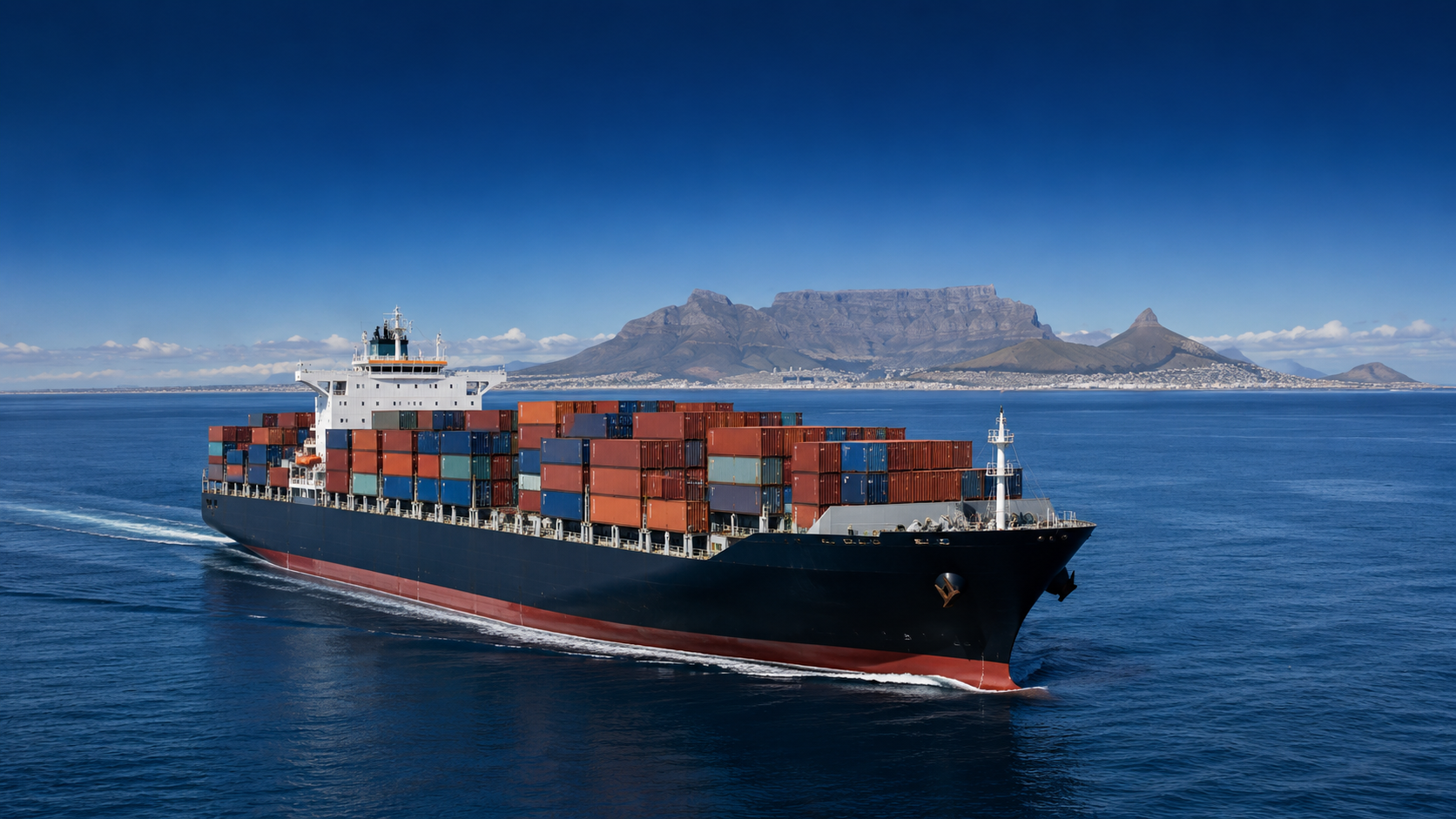
The announcement that the Strait has reopened created immediate optimism across global chemical markets. For procurement professionals, however, the headline tells only part of the story. Escorted convoy operations have restored movement through the shipping lane, but they have not restored normal commercial shipping.
This distinction matters for buyers of methanol, monoethylene glycol (MEG) and polymer feedstocks. Cargo is moving again, yet vessels must travel within organised naval convoys rather than according to normal commercial schedules. The result is a supply chain that functions, but with delays, capacity limits and reduced flexibility.
Why Escorted Convoys Are Different from Normal Shipping
Commercial shipping usually depends on continuous vessel movement. Shipowners schedule departures based on cargo readiness, berth availability and customer requirements.
Under escorted convoy operations, shipping follows a completely different model. Vessels wait for designated convoy windows before entering the transit corridor under naval protection.
That creates several operational differences.
Ships cannot simply depart whenever cargo is ready.
Waiting times increase before transit begins.
Port schedules become harder to predict.
Vessel utilisation declines because more time is spent waiting rather than sailing.
For chemical traders, these factors translate directly into longer lead times and less predictable delivery schedules.
What the Current Vessel Numbers Really Mean
Current tracking shows 149 vessels moving across all AIS categories. At first glance, this appears to indicate that maritime traffic has recovered.
The operational reality remains more restrictive.
The convoy system allows ships to move safely, but it also limits how many vessels can enter the route during each organised transit window. The shipping corridor therefore operates below normal commercial capacity even though vessels continue to pass through.
During the most severe disruption, vessel movement reportedly dropped to around five ships per day. Before the crisis, daily traffic generally ranged between 93 and 138 vessels.
Today's environment sits somewhere between those two extremes.
Supply has resumed, but not at the pace that manufacturers, exporters and importers experienced before the disruption.
Why Chemical Buyers Should Not Assume Supply Has Normalised
Many chemical products rely on predictable shipping cycles.
Large export volumes of methanol, MEG and polymer raw materials depend on continuous vessel availability. When ships enter queues instead of sailing freely, every stage of the supply chain becomes less efficient.
Buyers may experience:
Longer booking confirmation periods because shipping capacity remains controlled.
More frequent schedule revisions as convoy timings change.
Higher inventory requirements to absorb delivery uncertainty.
Increased working capital tied up in safety stock.
Companies operating with lean inventories may feel these effects more quickly than businesses holding larger strategic reserves.
The Products Most Likely to Feel the Impact
Not every chemical experiences the same level of disruption.
Products with significant export exposure through the region remain particularly sensitive.
These include:
Methanol, widely used in formaldehyde production, fuel blending and downstream chemicals.
Monoethylene glycol (MEG), an essential raw material for polyester fibres and PET production.
Polymer feedstocks that support plastics manufacturing across Asia, Europe and other importing regions.
Even when production facilities continue operating normally, slower vessel movement can delay product availability in destination markets.
Freight Costs and Scheduling Pressures
Freight markets react quickly whenever shipping flexibility decreases.
Convoy operations reduce the number of voyage options available to carriers. Ships waiting for escort windows complete fewer annual voyages, reducing effective transport capacity.
Several commercial pressures can emerge:
Freight rates may remain elevated while capacity stays constrained.
Charter availability becomes less predictable.
Container and bulk scheduling require greater coordination.
Buyers may face additional storage and demurrage costs if cargo arrival times shift.
These costs extend beyond transportation. Manufacturing schedules, customer deliveries and warehouse planning all become more difficult when shipment timing loses precision.
Procurement Strategies That Reduce Supply Risk
Purchasing teams cannot control convoy operations, but they can adapt sourcing strategies to reduce disruption.
Several practical actions can strengthen procurement resilience.
Review inventory policies for products sourced through affected shipping routes.
Confirm shipment status more frequently with suppliers and logistics providers.
Build additional lead time into purchasing schedules.
Diversify supplier portfolios where commercially viable.
Evaluate regional stock availability before emergency purchases become necessary.
These measures help reduce exposure to unexpected scheduling changes while maintaining continuity of supply.
Why Lead Time Matters More Than Production Capacity
An important distinction often goes unnoticed during shipping disruptions.
Production plants may continue manufacturing at expected volumes while customers still experience shortages.
This happens because logistics become the bottleneck rather than production itself.
Finished chemicals accumulate at export terminals waiting for available shipping windows. As inventory builds upstream, downstream buyers experience delayed deliveries despite adequate manufacturing output.
Understanding this difference allows procurement managers to interpret supplier communications more accurately.
The Broader Impact on Global Chemical Trade
Chemical supply chains operate through interconnected regional networks.
Delayed exports affect manufacturers, distributors and converters across multiple continents. A shipment arriving several days later than planned can influence production schedules, inventory planning and customer commitments throughout the value chain.
International traders also face increased uncertainty when arranging back-to-back sales.
Without predictable sailing schedules, contract execution becomes more complex and working capital requirements often increase.
Although escorted convoys improve market confidence compared with a complete disruption, they still represent a temporary operating environment rather than a return to unrestricted commercial trade.
What Buyers Should Watch in the Coming Months
Procurement professionals should monitor operational developments rather than focusing solely on headlines.
Several indicators deserve close attention:
Whether convoy frequency increases over time.
Average vessel waiting periods before transit.
Changes in freight pricing.
Export loading schedules from major chemical terminals.
Availability of methanol, MEG and polymer cargoes in destination markets.
These indicators provide a clearer picture of actual supply conditions than simple announcements that shipping has resumed.
A gradual increase in unrestricted commercial traffic would signal genuine market normalisation. Until that occurs, procurement planning should continue to account for possible delays.
The Bottom Line for Procurement Teams
The reopening of the Strait represents meaningful progress for global chemical logistics, but escorted convoy access does not restore normal shipping conditions.
Chemical cargo now moves through controlled transit windows instead of unrestricted commercial schedules. That difference affects lead times, freight planning and inventory management across international supply chains.
Buyers who recognise the operational realities behind the headlines will make stronger sourcing decisions, negotiate more realistic delivery expectations and build greater resilience into their procurement strategies.
Ready to source methanol from verified global suppliers? Explore competitive offers on our platform today.