thyssenkrupp nucera Opens an Electrolyzer Cell Assembly Hub in Portugal
German electrolysis technology company thyssenkrupp nucera is establishing its first company-operated electrolyzer cell assembly hub in Europe, located at VGP Park in Vila Nova de Gaia, near Porto, Portugal. Announced on 6 October 2026, the facility is intended to strengthen the company’s European manufacturing network, increase assembly capacity and simplify the delivery of equipment for green hydrogen projects. Cell assembly is scheduled to begin in 2028. (thyssenkrupp nucera)
A Centralized Approach to Electrolyzer Assembly
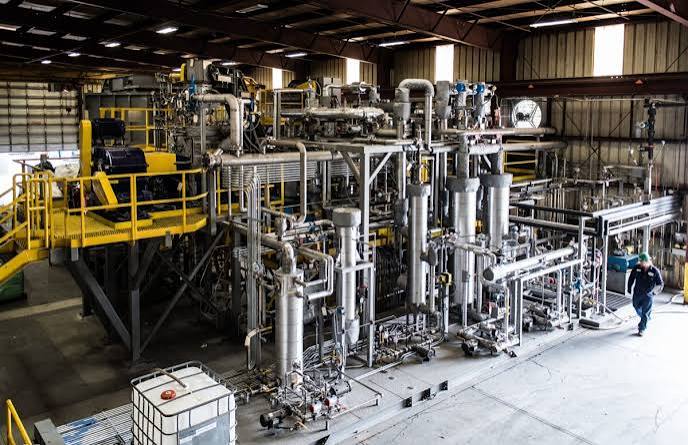
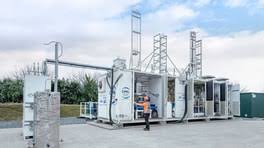
The new hub will occupy a building measuring more than 7,500 square metres and initially focus on cells for alkaline water electrolysis. The company plans to use standardized, semi-automated assembly processes to increase the number of cells assembled per hour compared with manual, decentralized operations. (thyssenkrupp nucera)
Previously, individual cell components for thyssenkrupp nucera’s standardized 20-megawatt scalum® alkaline electrolysis units were assembled in customer-operated workshops before being installed at project sites. Centralizing these activities is expected to reduce assembly time, improve throughput and provide customers with ready-to-install cell packages.
The company plans to invest between €10 million and €14 million in the facility, with approximately €3.7 million in Portuguese government support through the COMPETE2030 programme. Construction is expected to begin in winter 2026, followed by installation of the assembly line. (thyssenkrupp nucera)
Supporting Europe's Green Hydrogen Projects
The hub is designed to serve electrolysis projects across Europe and neighbouring regions. Its first planned application is the assembly of cells for Moeve’s Onuba green hydrogen project in Huelva, Spain, starting in 2028.
Onuba's first phase involves 300 MW of alkaline water electrolysis capacity and is designed to produce approximately 45,000 tonnes of green hydrogen annually. The project demonstrates the scale of industrial hydrogen infrastructure that can create demand for standardized electrolyzer equipment and associated engineering services. (thyssenkrupp nucera)
Implications for Low-Carbon Chemicals
Green hydrogen is produced through water electrolysis using electricity. When powered by renewable electricity, it can help reduce emissions in industrial applications that are difficult to electrify directly, including selected chemical production processes and refining operations.
The expansion of electrolyzer assembly capacity could support the deployment of hydrogen infrastructure and associated industrial projects. For chemical manufacturers and suppliers, potential areas to monitor include:
Water treatment: Electrolysis projects require water of suitable quality, creating demand for treatment systems and related materials.
Electrolyzer components: Cell assembly depends on standardized components, quality control and reliable industrial supply chains.
Hydrogen processing: Downstream facilities may require purification, compression, storage and handling equipment.
Industrial chemicals: Hydrogen can serve as a feedstock for ammonia, methanol and other chemical production pathways, depending on project design.
Maintenance and replacement: Installed electrolysis capacity creates continuing requirements for servicing, replacement parts and operational support.
These are potential value-chain opportunities rather than confirmed supply contracts for individual chemical products.
What Buyers and Project Developers Should Watch
The Portuguese assembly hub highlights several practical considerations for hydrogen project procurement:
Lead times: Centralized, semi-automated assembly is intended to shorten equipment preparation and delivery schedules.
Installation complexity: Ready-to-install cell packages may reduce the need for customers to establish their own assembly infrastructure.
Quality consistency: Standardized processes can support repeatable assembly and inspection procedures.
Service integration: A centralized facility can bring assembly and maintenance activities closer together.
Project coordination: Developers still need to align equipment deliveries with engineering, construction, commissioning and renewable-power availability.
Outlook
The Portugal facility represents a manufacturing and supply-chain investment designed to support the next stage of European electrolyzer deployment. Its planned 2028 start, initial focus on alkaline water electrolysis and connection to the Onuba project provide concrete milestones for tracking progress.
For low-carbon chemical markets, the broader significance lies in the infrastructure required to scale renewable hydrogen production. More efficient equipment assembly may help simplify project execution, but the pace of market growth will also depend on electricity costs, project financing, hydrogen demand, infrastructure readiness and the economics of competing production technologies.
Source: https://chemxplore.com/news/thyssenkrupp-nucera-electrolyzer-cell-assembly-hub
Found this useful?