Toluene: Uses in Petrochemical Processing and Chemical Production
Toluene: Uses in Petrochemical Processing and Chemical Production
What Is Toluene and Where It Comes From
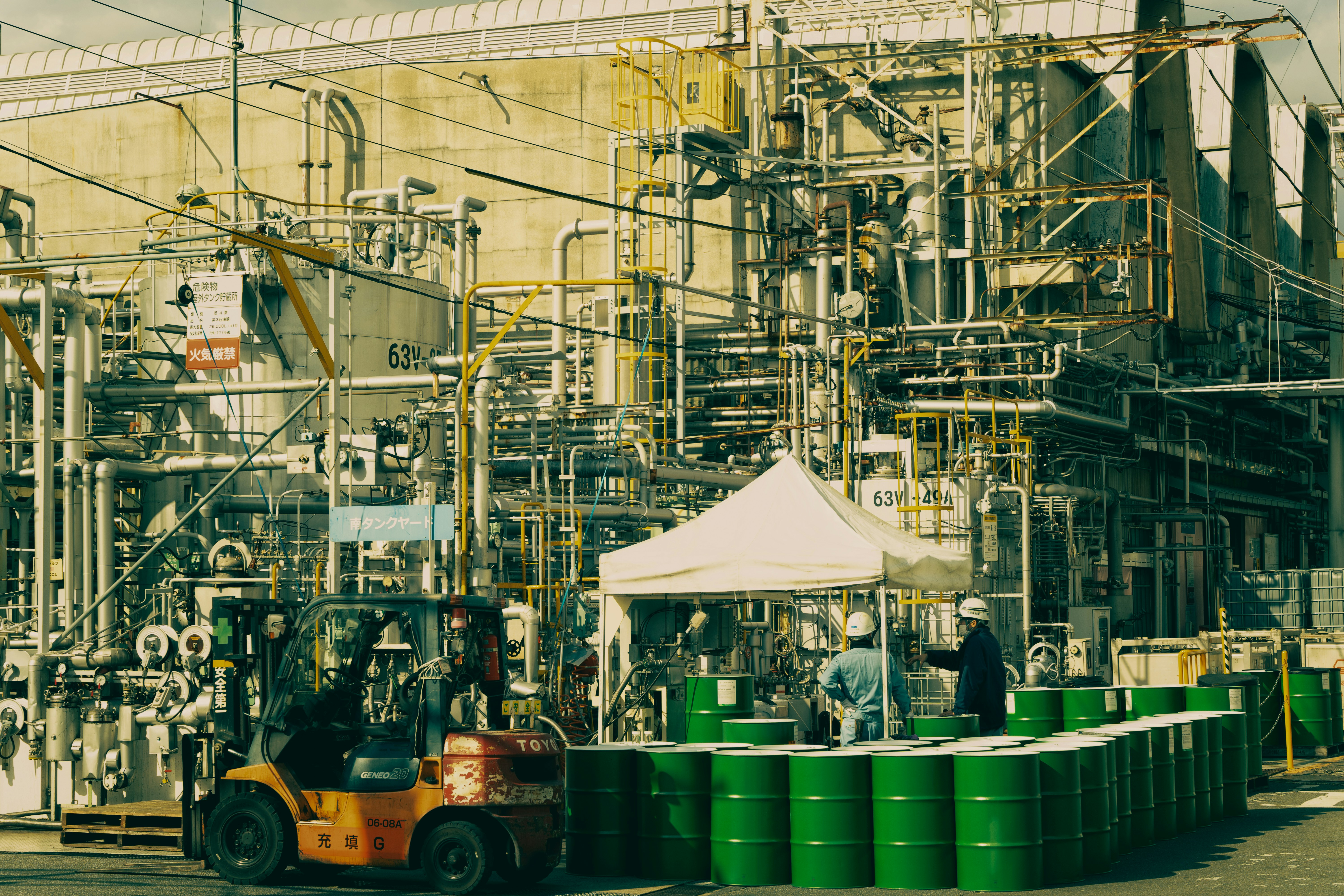
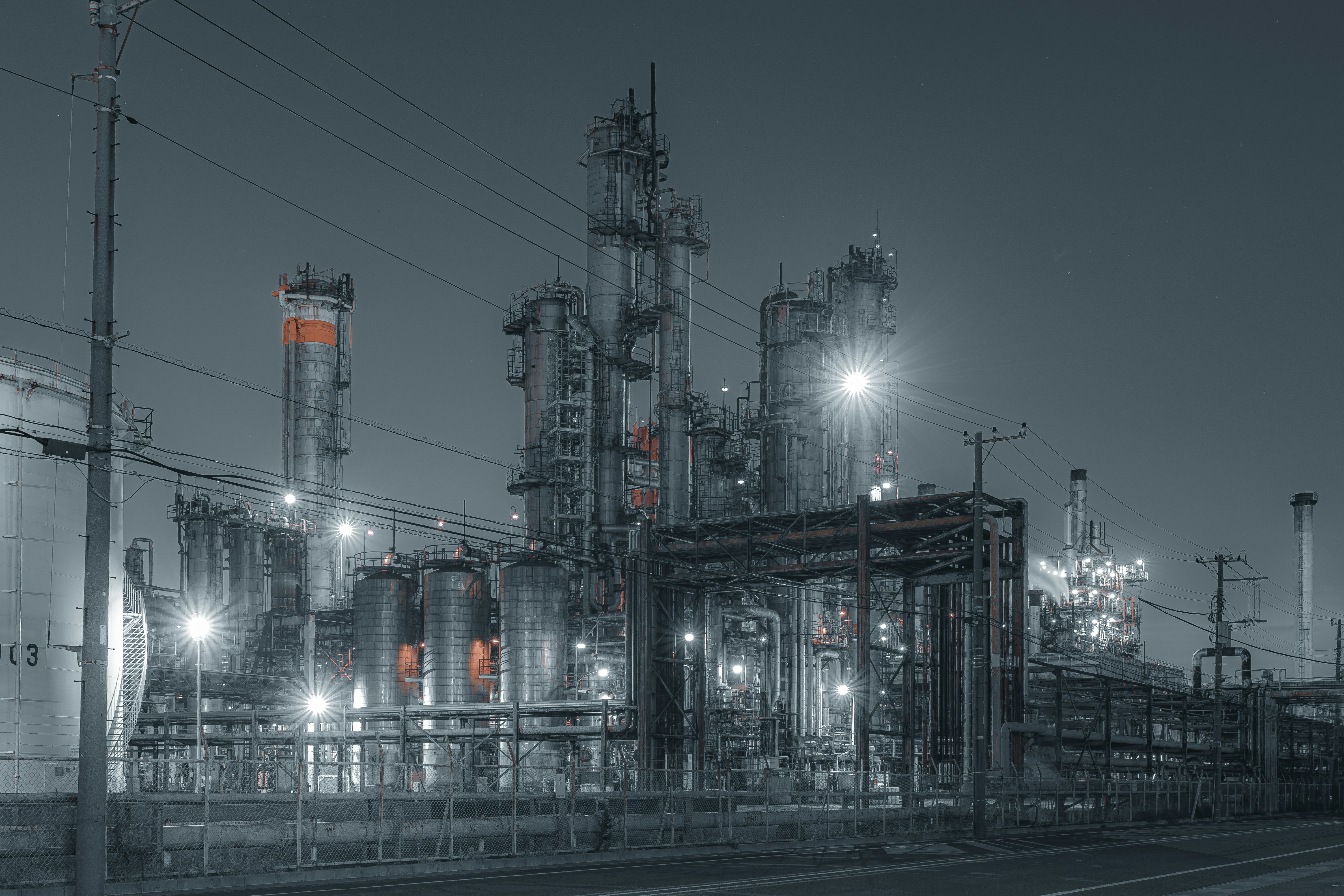
Toluene (CAS 108-88-3) is produced primarily by catalytic reforming of petroleum naphtha, the same process that yields Benzene and mixed Xylenes from a single aromatics-rich reformate stream, meaning a large share of world Toluene supply is a genuine co-product of Benzene production, not a separately targeted synthesis. It is used directly as a solvent for paints, coatings, adhesives, printing inks, and as a feedstock for toluene diisocyanate (TDI, a polyurethane precursor) and benzene via hydrodealkylation. It, and the methylbenzenes (toluene and the xylenes), are manufactured from fractions obtained from distillation of oil and are used as intermediates in production of a very wide range of chemicals as well as in petrol. Commercially, most Toluene is produced by catalytic reforming of Naphtha, i.e. catalytic dehydrogenation in presence of petroleum fractions rich in naphthenes, and derived primarily from petroleum refining and steam cracking processes, toluene is a key feedstock for producing benzene, xylene, toluene diisocyanate (TDI), explosives such as TNT, and various industrial solvents.
Toluene as a Feedstock: TDI, Benzene and Xylene
TDI – Polyurethane Foams and Coatings
Methylbenzene is also used to make TDI (toluene diisocyanate or methylbenzene diisocyanate), one of the reagents used to make polyurethanes, and TDI grade toluene is used to make isocyanates, which are combined with polyols in manufacture of polyurethanes. Toluene is used as a petrochemical intermediate to make diisocyanate (TDI), which is combined with polyols in manufacture of polyurethanes plastics, and it serves as a precursor in production of benzene and xylene, while also used in formulation of toluene diisocyanate (TDI), which is an essential component in polyurethane foam production. Toluene is used in manufacture of benzene, p-xylene for polyethylene terephthalate (PET) resins, and toluene diisocyanates (TDI) for polyurethane applications, and is widely used as a solvent, and this report focuses on toluene that is recovered for subsequent processing in chemical operations.
Benzene and Xylene via HDA and Disproportionation
More than half of toluene produced is used to manufacture benzene by hydroalkylation, and other important uses are production of toluene-diisocyanate (TDI), a monomer for polyurethanes. Both nitration and commercial grades are used as feed in hydrodealkylation process, which strips off methyl group from toluene to make benzene, and these grades are also used in disproportionation process, which removes methyl group from one toluene molecule and transfers it to another to make benzene and xylene. Benzene and xylene production via hydrodealkylation (HDA) is a key flexibility tool for refiners, because when benzene prices are high relative to toluene, refiners can convert toluene to benzene, and when xylene prices are high, they can use disproportionation to make xylene, making toluene a swing molecule in the BTX chain.
Toluene as a Solvent and Gasoline Component
Solvents for Paints, Coatings, Adhesives and Inks
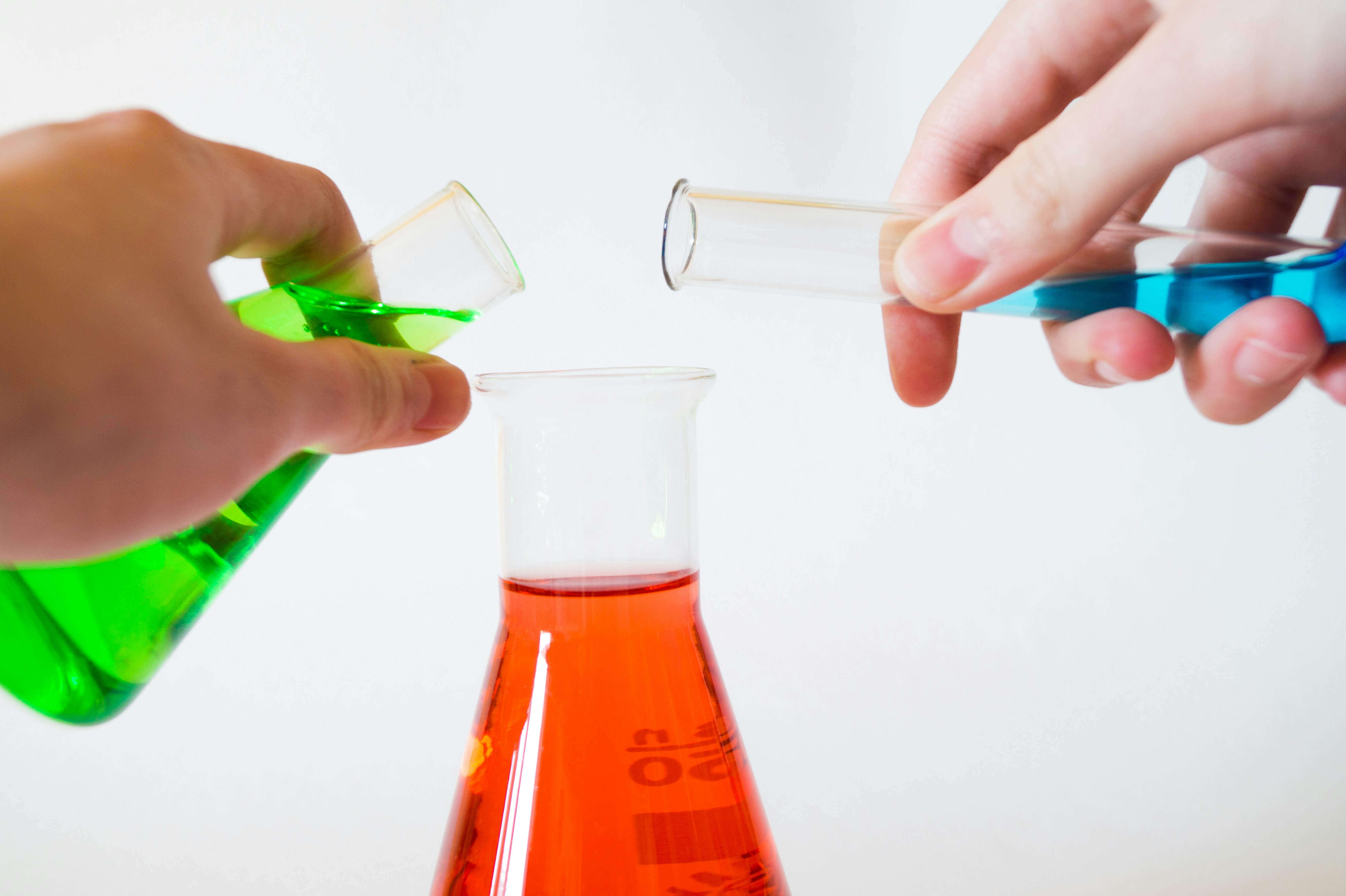
Toluene functions as both a solvent and a feedstock for producing toluene diisocyanate (TDI), and its surging demand is for production of aromatics like Benzene and Paraxylene, Polyurethanes such as TDI, Solvents, Gasoline additives, and other derivatives such as TNT, Benzoic acid and benzaldehyde. Nitration grade toluene is widely used in solvent market and also in production of phenol, particularly in Europe, and toluene or methylbenzene is an aromatic hydrocarbon which is used as an industrial feedstock and solvent. In paints, coatings, adhesives, and printing inks, toluene provides fast evaporation, good solvency for resins, and low cost, but it is also a VOC and a hazardous air pollutant, so its use in consumer products is increasingly regulated, and formulators are shifting to lower-VOC solvents where possible.
Gasoline Blending and Other Derivatives
BTX aromatics remain foundational petrochemical intermediates linking refinery reformate streams with high-value downstream chains such as PTA, PET, styrene, phenol, engineering plastics, and specialty fragrance ingredients, and chemical intermediates account for 41% of BTX consumption in 2025, positioning this segment as structural backbone of global BTX market. BTX compounds serve as key petrochemical feedstocks in production of plastics, synthetic fibers, resins, solvents, and numerous industrial chemicals, forming a critical backbone of global chemical industry, and benzene is widely used to produce styrene, cumene, and cyclohexane, which are essential in manufacturing polystyrene, nylon, and phenolic resins. Market expansion is primarily driven by strong demand across various end-use industries, particularly its crucial function as a precursor for manufacturing benzene, xylenes, and TDI used in plastics and polyurethane foams, and a prime example is Anellotech's Plas-TCat technology, designed to transform mixed plastic waste into valuable chemicals like xylene, benzene, and toluene.
Market Developments and Procurement Implications
BTX Market, Grades and Sustainability Trends
Benzene, toluene, and xylene are all aromatic compounds important to production of polymers, other chemicals, and numerous consumer products such as solvents, paints, polishes, and pharmaceuticals, and toluene market growth is anchored in integrated aromatics and derivative relocation from 2025 to 2034. For buyers, the key is to distinguish TDI grade, nitration grade, and commercial grade toluene, because purity, sulfur, and benzene content differ, and TDI grade requires the highest purity for isocyanate production. Buyers should also track benzene-toluene spread, because when the spread is wide, refiners will convert toluene to benzene, reducing toluene availability for solvent and TDI uses, and they should consider recycled toluene from plastic waste and bio-based toluene as emerging alternatives. By understanding toluene's dual role as solvent and feedstock, buyers can better forecast price, manage inventory, and plan for shifts toward lower-VOC solvents and sustainable polyurethanes.
Sources with Links:
Toluene (C7H8, CAS 108-88-3): Uses, Properties & Manufacture – ChemXpress – https://www.chemxpress.in/chemicals/toluene
Benzene and methylbenzenes – Essential Chemical Industry – https://www.essentialchemicalindustry.org/chemicals/benzene.html
Benzene Toluene Xylene Market Growth Outlook 2026-2034 – USD Analytics – https://www.usdanalytics.com/industry-reports/benzene-toluene-xylene-market
Toluene - Chemical Economics Handbook (CEH) – S&P Global – https://prod.azure.ihsmarkit.com/commodityinsights/en/ci/products/toluene-chemical-economics-handbook.html
Toluene Market (CAGR of 5.15%) 2035 – ChemAnalyst – https://agreatertown.com/new_york_ny/toluene_market_cagr_of_515_2035_global_market_research_report_size_share_forecast_chemanalyst_000788098767
2-Ethylhexyl Acrylate
Found this useful?