Toray’s Heat-Resistant Film Capacitor Runs Stably at 150°C in an Inverter Test
Toray’s Heat-Resistant Film Capacitor Runs Stably at 150°C in an Inverter Test
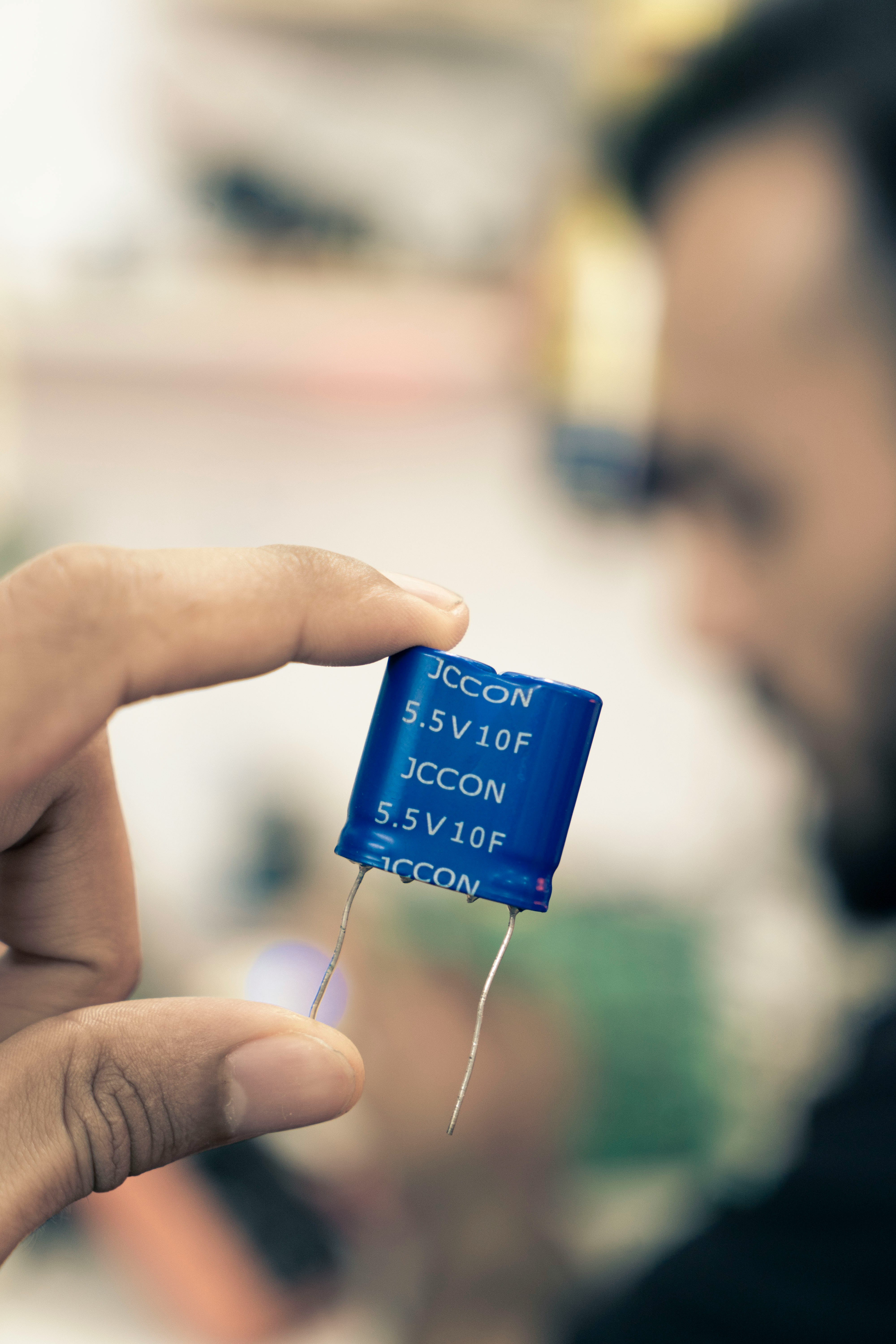
Toray Industries has demonstrated stable operation of a prototype inverter at 150°C using a film capacitor made with its newly developed heat-resistant dielectric film. The achievement could help address thermal-management challenges in electric vehicles, electric aircraft and other next-generation mobility systems, where increasing power output creates demand for smaller and lighter cooling structures.
Announced on October 8, 2026, the demonstration was conducted through joint research with Professor Masayoshi Yamamoto of Nagoya University’s Institute of Materials and Systems for Sustainability. Alongside the physical inverter test, thermal simulations indicated that the heat-dissipation structure could potentially be reduced in size by approximately 50%.
High Temperatures Remain a Challenge for Power Electronics
Inverters are essential components in electric-drive systems. They convert direct current into alternating current and regulate the electrical power supplied to motors. Film capacitors help stabilize voltage and manage electrical energy within these systems.
As electric-drive technologies advance, power electronics must handle higher output within increasingly compact packages. However, the temperature limits of individual components can restrict the overall system design. Film capacitors are particularly important because their dielectric materials must maintain suitable electrical insulation and performance under operating heat.
These constraints are relevant to electric vehicles and emerging mobility technologies, including electric aircraft and flying vehicles. In these applications, reducing the size and weight of cooling equipment can help engineers optimize the overall power-control unit.
Toray’s latest demonstration addresses this challenge by evaluating a capacitor that uses a dielectric film designed to withstand temperatures of up to 150°C.
Prototype Inverter Demonstrates Stable Operation at 150°C
Toray produced a prototype film capacitor using its heat-resistant film as the dielectric material. The company then evaluated the capacitor within a model inverter developed through collaboration with Nagoya University.
The test demonstrated that the inverter could operate stably under a 150°C environment. This provides evidence that the new film can function in a representative power-electronics system, moving the technology beyond material development alone.
The result is an important development milestone, but it does not yet establish commercial readiness. Further testing will be needed to determine long-term durability, electrical performance, manufacturing consistency and suitability for different inverter designs.
Thermal Simulation Points to a 50% Smaller Heat-Dissipation Structure
One of the most significant potential benefits concerns cooling-system design. Using thermal simulation, Toray evaluated how a 150°C-resistant film capacitor could affect the heat-dissipation structure of a power-control unit.
The analysis indicated the potential to reduce the size of that structure by approximately 50% compared with a design using a conventional film capacitor.
This is a modeled engineering opportunity rather than a verified reduction in the dimensions or weight of a production-ready inverter. Actual results would depend on the complete system design, including semiconductor losses, heat-transfer paths, ambient conditions and the operating limits of other components.
If the potential benefit is realized in future designs, a smaller heat-dissipation structure could give engineers greater flexibility when packaging power electronics in space- and weight-constrained mobility systems.
Potential Applications in Electric Vehicles and Aircraft
Toray’s development is relevant to several markets where efficient power conversion is becoming increasingly important.
Electric vehicles
Electric vehicles depend on power-control units to regulate motor operation. Higher-temperature capacitor materials could provide designers with additional options when reducing component size and improving packaging flexibility.
Electric aircraft and flying vehicles
Weight and volume are especially important in electrically powered aircraft and flying vehicles. Cooling equipment contributes to the overall mass and space requirements of the drive system. A capacitor that can operate in a hotter environment could potentially reduce some cooling requirements, subject to validation of the complete system.
Next-generation electric mobility
The technology may also be relevant to other electric-drive applications requiring compact, high-output power electronics. However, each application will require its own electrical, thermal and reliability qualification.
Development Supported by NEDO
The research forms part of a project supported by Japan’s New Energy and Industrial Technology Development Organization (NEDO), focused on developing highly heat-resistant film for capacitors used in next-generation mobility.
Toray plans to continue working with Nagoya University to evaluate the film and advance its practical implementation. The company also announced plans to exhibit the technology at the NEDO booth during CEATEC 2026, scheduled for October 13–16 at Makuhari Messe in Japan.
The next stage will involve determining whether the material can meet the reliability, manufacturing and electrical requirements needed for wider adoption in high-temperature capacitor applications. (Toray announcement)
Implications for Advanced Materials and Mobility
The demonstration highlights the role of advanced polymer films in improving power-electronics design. While semiconductor performance often receives attention in electric-mobility development, passive components such as capacitors can also impose important limits on temperature, packaging and cooling requirements.
By demonstrating inverter operation at 150°C and identifying a potential reduction in heat-dissipation structure size through simulation, Toray has established a promising development milestone. Further qualification and engineering work will determine whether these results translate into lighter, more compact and commercially viable electric-drive systems.
Sources:
Calcium Carbonate (Feed Grade)
Found this useful?