TotalEnergies Takes Full Ownership of the Grandpuits Advanced Plastics Recycling Plant
TotalEnergies Takes Full Ownership of the Grandpuits Advanced Plastics Recycling Plant
TotalEnergies has taken full ownership of the Grandpuits advanced plastics recycling plant in France, acquiring the remaining 35% stake previously held by Plastic Energy. The transaction gives TotalEnergies 100% ownership of the facility, which began production in March 2026 and can process up to 15,000 tonnes of plastic waste annually.
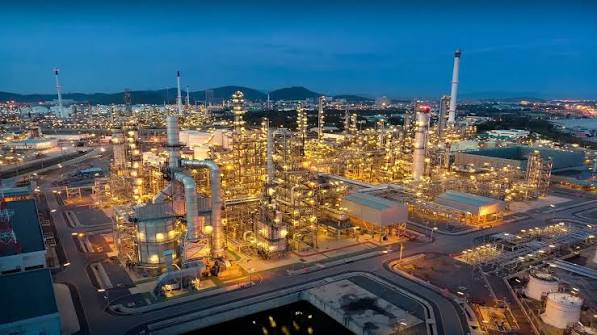
The move strengthens TotalEnergies’ position in advanced plastics recycling as the company continues transforming its Grandpuits site in Seine-et-Marne into a broader zero-crude industrial platform focused on circular and lower-carbon activities.
TotalEnergies Acquires Remaining 35% Stake
TotalEnergies previously owned 65% of the Grandpuits advanced recycling plant. Following a restructuring of Plastic Energy’s shareholding, TotalEnergies agreed to acquire the remaining 35% interest, making it the sole owner of the facility. Financial details of the transaction were not disclosed.
Although Plastic Energy has transferred its ownership stake, its role in the project continues. The company will provide its proprietary TAC™ technology to the plant under an ongoing technology and licensing agreement.
Grandpuits Processes Hard-to-Recycle Plastic Waste
Located in Seine-et-Marne, southeast of Paris, the Grandpuits facility started production in March 2026. It is designed to process approximately 15,000 tonnes of plastic waste per year.
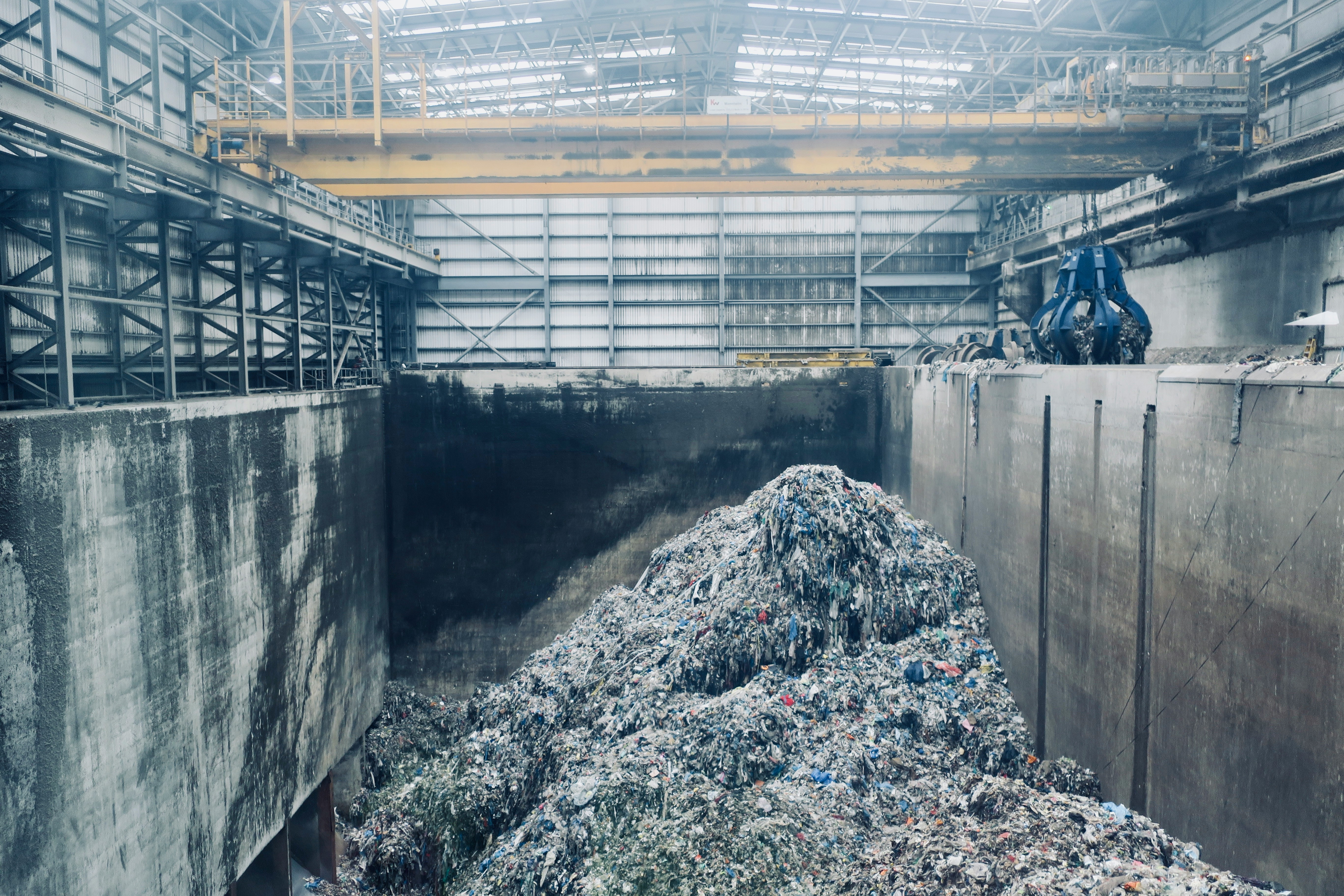
The plant focuses on plastic waste from French households that is difficult to recycle through conventional mechanical processes. This includes flexible household packaging collected through France’s yellow recycling bins.
Instead of being sent to landfill or incineration, this material can be converted into a feedstock for producing new polymers.
Pyrolysis Converts Plastic Waste Into TACOil
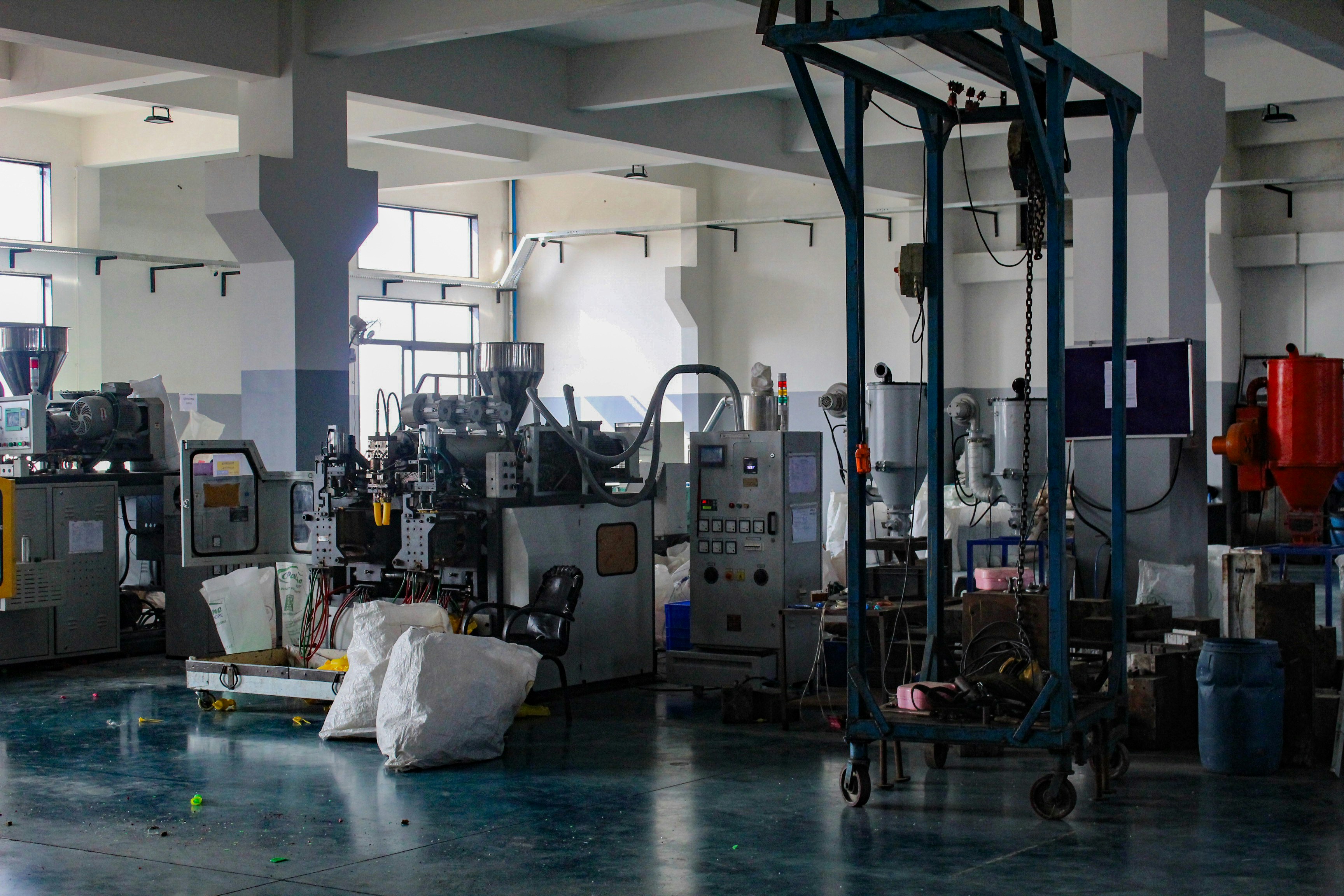
The facility uses an advanced recycling process based on pyrolysis. Plastic waste is heated at high temperatures in an oxygen-free environment, producing a synthetic oil known as TACOil™.
The TACOil is subsequently used as a petrochemical feedstock at TotalEnergies facilities. It can replace fossil-based feedstocks in the production of recycled polymers.
The resulting polymers are designed to have properties equivalent to virgin plastics and can be used in applications with demanding requirements, including food-contact packaging and medical applications, according to TotalEnergies.
From Plastic Waste to New Polymers
The process can be summarized as:
Hard-to-recycle plastic waste → Pyrolysis → TACOil™ → Petrochemical feedstock → Recycled polymers → New plastic products
This approach allows carbon contained in difficult-to-recycle plastic waste to be returned to the plastics value chain.
Long-Term Waste Supply Agreement
TotalEnergies has also established a long-term supply chain for the Grandpuits facility.
In 2023, TotalEnergies signed an agreement with Citeo and Paprec to secure supplies of household plastic waste for the plant. Paprec prepares and sorts the material, while Citeo supports the collection of household packaging waste.
The arrangement provides the facility with access to a consistent source of plastic waste and supports the development of an advanced recycling value chain in France.
Grandpuits Becomes a Zero-Crude Industrial Platform
The recycling plant is part of a much larger transformation of the Grandpuits site.
TotalEnergies is investing more than €500 million to convert the former refinery into a zero-crude platform. The site is being developed around activities including sustainable aviation fuel, plastics recycling, renewable hydrogen, solar power and electricity storage.
The platform also includes a separate mechanical recycling project designed to produce approximately 30,000 tonnes per year of compounds containing up to 50% recycled plastic material.
Advanced Recycling Supports Circular Polymer Strategy
TotalEnergies views advanced recycling as a complementary technology to mechanical recycling.
Mechanical recycling remains suited to plastic waste that can be effectively sorted and processed, while advanced recycling targets waste streams that are more difficult to mechanically recycle. TotalEnergies says the approach can help divert such waste from landfill and incineration and provide feedstock for circular polymers.
Plastic Energy Continues Its Technology Role
While TotalEnergies now owns the Grandpuits plant outright, Plastic Energy remains connected to the facility through its technology agreement.
Plastic Energy's TAC™ technology converts end-of-life plastic waste into TACOIL™, which can be used as a feedstock for producing recycled plastics. The company said it will continue focusing on its other recycling operations and technology development while supporting plants that use its technology.
Outlook for Advanced Plastics Recycling
The acquisition gives TotalEnergies full control of an operating advanced recycling facility at a time when the company is expanding its circular polymers activities.
With a capacity of 15,000 tonnes of plastic waste annually, the Grandpuits plant provides an operating platform for converting difficult-to-recycle household plastics into circular petrochemical feedstock. Its integration into the wider zero-crude Grandpuits platform also connects plastics recycling with TotalEnergies’ broader investments in lower-carbon and circular industrial activities.

Crude Palm Oil
Found this useful?