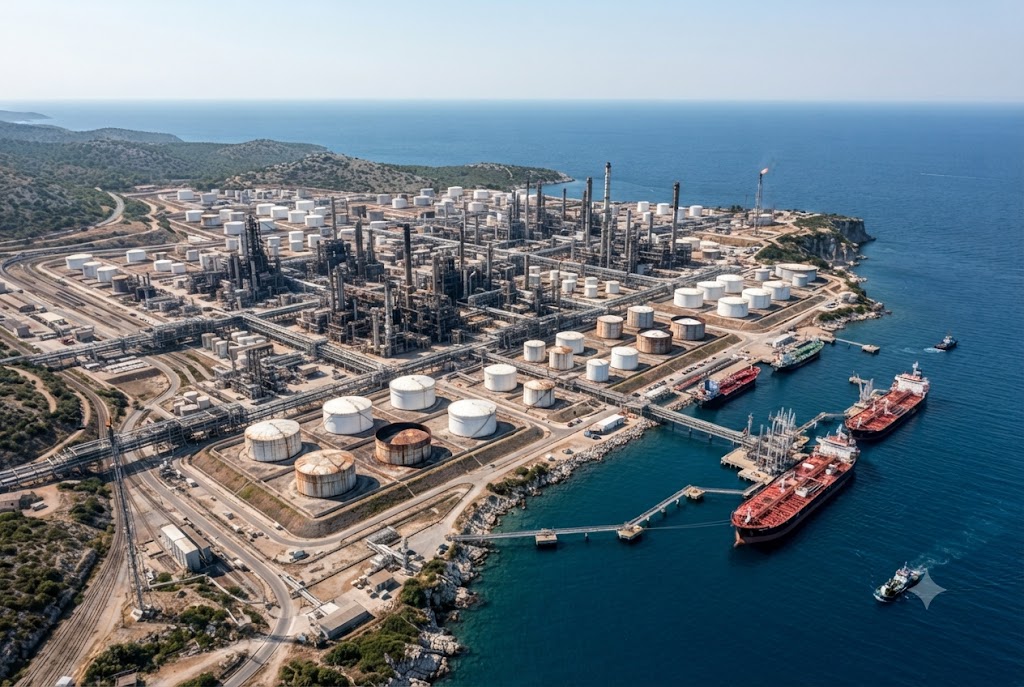
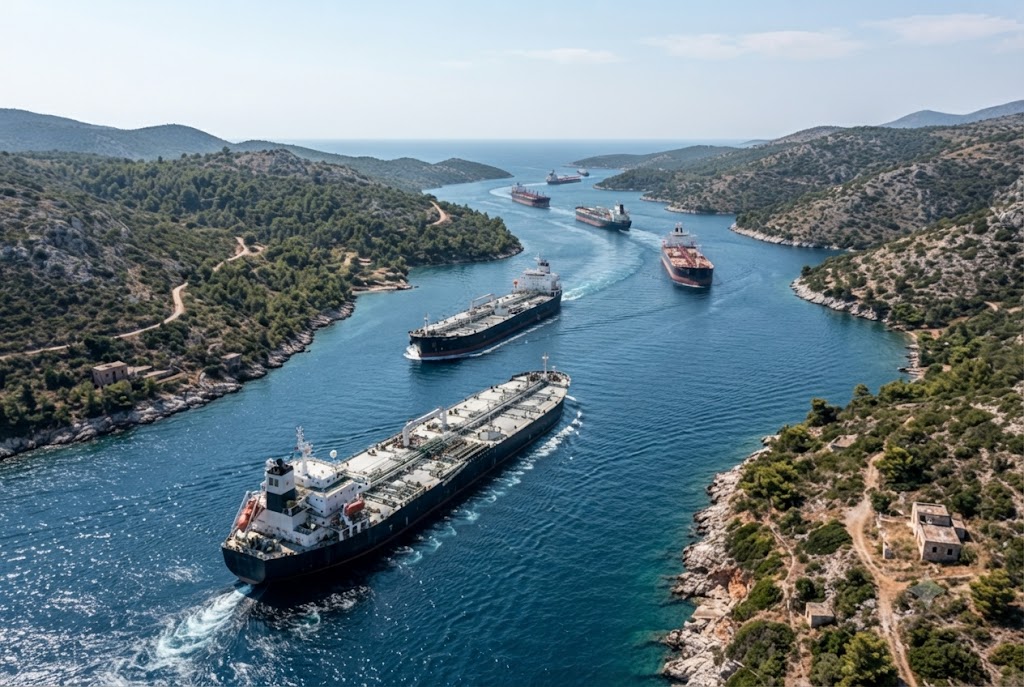
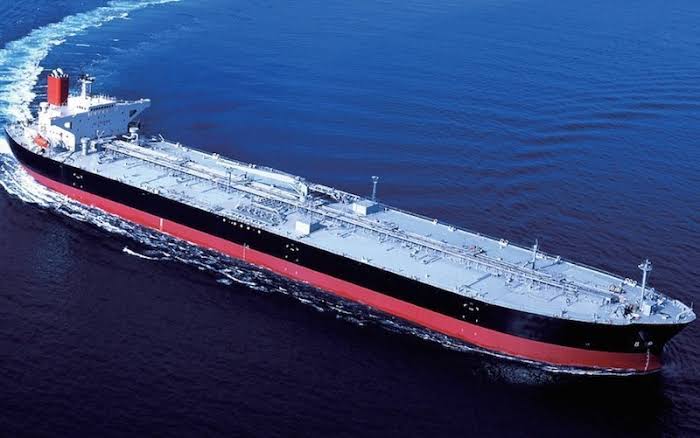
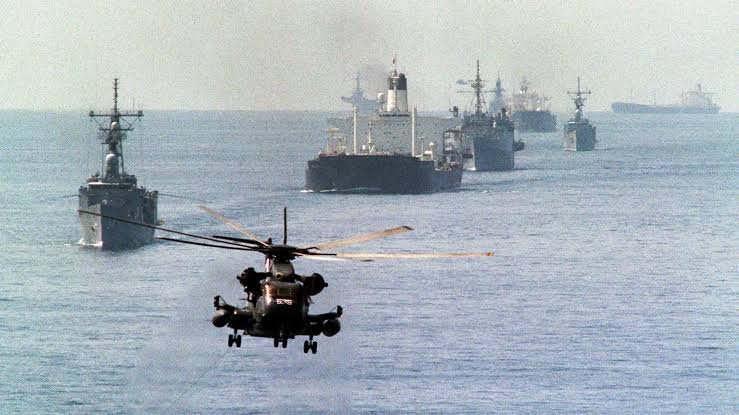
The recent decision to abandon a proposed 20 percent transit fee for vessels crossing the Strait of Hormuz delivers immediate relief to global chemical supply chains. President Trump confirmed that Gulf states will instead direct investments into the United States as an alternative arrangement. This policy reversal removes a massive artificial cost burden from maritime logistics. For chemical traders and procurement managers, the elimination of this toll directly stabilizes landed commodity costs. Buyers importing polyolefins, methanol and naphtha derivatives from the Middle East no longer face this specific freight surcharge. The market can now refocus on genuine supply and demand fundamentals rather than punitive transit taxes. This shift provides a crucial window for procurement teams to recalibrate their sourcing strategies and secure more predictable pricing.
The Financial Impact of a Dropped Transit Fee
A 20 percent toll on all transiting vessels would have fundamentally altered global trade economics. Chemical exporters rely on thin margins to remain competitive in international markets. Adding a fifth to the base freight cost would have made Gulf exports unviable for many buyers.
The removal of this fee preserves the current cost structure for maritime shipping. Freight forwarders and vessel operators will not pass this artificial surcharge down to chemical shippers. This decision prevents a cascading inflationary effect across the entire petrochemical value chain.
Stabilizing Landed Costs for Key Petrochemicals
Landed costs encompass the product price, freight, insurance and all associated logistics fees. The threat of a massive toll had already begun inflating forward contracts for key derivatives. Buyers were pricing in worst-case scenarios to protect their operating budgets.
Polyethylene and polypropylene buyers benefit most directly from this policy shift. These high-volume polymers move in massive quantities from Gulf production hubs to Asian and European converters. Keeping transit costs predictable allows these buyers to maintain stable manufacturing margins.
Methanol and ethylene glycol markets also see immediate relief. These commodities operate on tight regional spreads. A sudden 20 percent logistics spike would have forced many downstream facilities to halt production entirely.
Gulf State Investments as an Alternative Mechanism
The agreement substitutes a direct shipping tax with broader economic investments in the United States. Gulf states will channel capital into American infrastructure and energy projects. This arrangement satisfies political objectives without disrupting global maritime trade flows.
Chemical manufacturers view this outcome favorably. Direct tolls create immediate friction at the point of transit. Broad investment strategies operate on a macroeconomic level and do not interfere with daily vessel operations.
This approach maintains the free flow of crude oil and chemical feedstocks through the strait. It ensures that refineries and cracking facilities continue receiving necessary inputs without artificial delays. Supply chain continuity remains intact for the foreseeable future.
How Freight Forwarders Are Reacting to the Policy Shift
Freight forwarders had already begun modeling the logistical nightmare of a 20 percent transit fee. Many were preparing to implement complex billing surcharges to offset the new liability. The sudden cancellation of this policy forces logistics providers to pivot quickly.
Carriers will now focus on standardizing their existing rate cards. This eliminates the need for confusing new line items on chemical shipping invoices. Buyers can expect more transparent and predictable freight billing in the coming months.
Shipping lines are also likely to extend their current contract validity periods. The removed uncertainty allows them to commit to longer-term pricing agreements. This stability directly benefits procurement teams seeking budget certainty for the upcoming fiscal year.
Impact on Downstream Manufacturing Margins
Downstream manufacturers rely on consistent resin and feedstock deliveries to maintain production schedules. A sudden spike in landed costs would have forced these facilities to absorb the difference or pass it to consumers. Both scenarios damage overall market competitiveness.
The preserved cost structure allows converters to maintain their current pricing models. Packaging, automotive and construction sectors can proceed with their material planning without sudden budget shocks. This stability is vital for industries operating on strict just-in-time inventory models.
Procurement managers in these downstream sectors can now negotiate with greater confidence. They know their suppliers are not facing an unexpected 20 percent logistics penalty. This levels the playing field for contract negotiations across the entire supply chain.
Remaining Geopolitical Risk Premiums
While the toll is gone, geopolitical risk premiums still influence chemical pricing. The Strait of Hormuz remains a sensitive maritime corridor. Insurance underwriters continue to monitor regional stability closely.
War risk insurance premiums may remain elevated despite the dropped toll. Vessel operators still factor potential disruptions into their long-term charter rates. Buyers must remain aware that base freight costs can fluctuate based on regional security assessments.
Procurement teams should not assume total price stability. The underlying volatility of crude oil and natural gas feedstocks continues to drive chemical valuations. The removed toll eliminates one variable but does not erase all market uncertainty.
Strategic Adjustments for Procurement Teams
Chemical buyers must leverage this stabilized environment to optimize their sourcing strategies. The removal of the transit fee provides a temporary window of cost predictability. Smart procurement teams will use this time to lock in favorable terms.
Key actions for buyers include:
Renegotiate freight contracts. Use the absence of the toll to push back against inflated forward freight agreements. Carriers can no longer justify artificial surcharges.
Extend contract tenors. Secure longer-term fixed pricing for critical polymers while the market remains calm. This protects your budget against future geopolitical shocks.
Audit total landed costs. Review all recent invoices to ensure no residual toll-related fees remain embedded in your logistics billing.
Diversify supply routes. Continue qualifying alternative suppliers outside the Gulf region. Relying on a single maritime chokepoint remains a structural vulnerability.
What Buyers Should Do Now
The abandonment of the 20 percent Hormuz transit fee is a significant win for global chemical trade. It prevents a severe disruption to landed commodity costs and preserves existing supply chain efficiencies. Procurement professionals must act quickly to capitalize on this stabilized market environment.
Review your current chemical contracts and logistics agreements immediately. Ensure your suppliers are passing on the full benefit of this policy reversal. Build stronger relationships with reliable carriers who prioritize transparent pricing.
The chemical market rewards proactive planning. Use this period of relative calm to fortify your supply chain against future uncertainties.
Ready to source High Density Polyethylene (HDPE) from verified global suppliers? Explore competitive offers on our platform today.