The UAN Surge in a Changing Subsidy Landscape
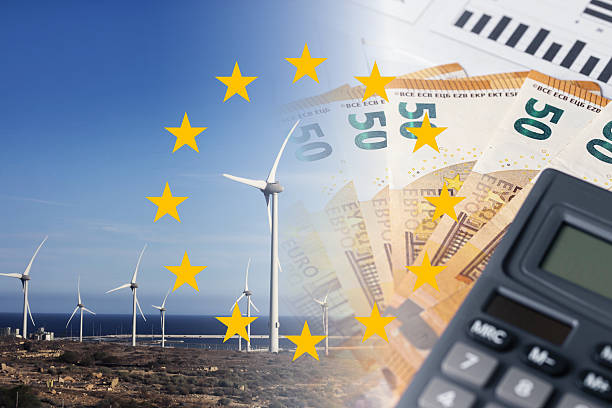
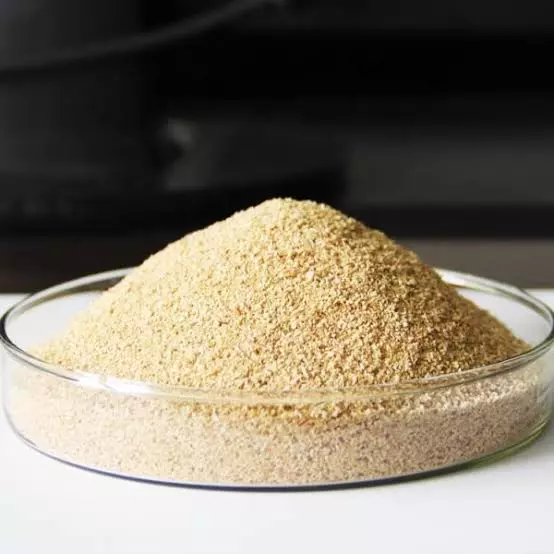
Recent policy adjustments across European Union member states have altered the economic calculus for farmers. Subsidies that once favored conventional NPK (nitrogen, phosphorus, potassium)ifiez blends are now being reallocated to support more nitrogen‑centric solutions. This has created a ripple effect, boosting demand for UAN (urea‑ammonium nitrate) fertilizers.
Why UAN Gaining Favor?
UAN offers several advantages that align with the new subsidy framework:
Higher nitrogen content: UAN typically contains 28-32% nitrogen, meeting the subsidy’s nitrogen‑focused criteria.
Controlled release: The liquid form allows precise application, improving efficiency and reducing runoff.
Cost‑effective logistics: Liquid UAN can be stored in tanks and pumped directly, lowering handling costs.
Subsidyirds Driving Procurement Decisions
Governments have introduced incentive schemes that reward farmers for adopting nitrogen‑intensive fertilizers, citing their role in meeting EU climate goals. This policy shift manifests in three key ways:
Direct cash grants: Farmers receive subsidies per tonne of nitrogen applied.
Tax rebates: Reduced VAT on UAN purchases.
Training grants: Support for precision‑fertilization technologies that complement UAN use.
These incentives make UAN a more attractive option compared to NPK, which is subject to stricter environmental compliance costs.
Impact on the European Fertilizer Market
The shift in buying patterns has several market repercussions:
Supply chain reconfiguration: Producers are scaling up UAN production lines while phasing out certain NPK formulations.
Price dynamics: UAN prices have risen by an average of 12% over the past year, reflecting increased demand.
Regional disparities: Southern Europe, with its intensive crop cycles, shows the sharpest UAN uptake, whereas Northern regions still maintain a balanced mix of UAN and NPK.
Strategic Procurement Moves
Large agribusinesses are revising their procurement contracts to lock in UAN supplies at favorable rates. Smaller farms are increasingly partnering with cooperatives to share infrastructure and negotiate bulk discounts.
The NPK Backlash and Environmental Considerations
While subsidies favor nitrogen, the reduced emphasis on phosphorus and potassium raises ecological concerns. P‑deficiencies could lead to crop stress, and K shortages may affect soil health. Some policymakers are now exploring balanced subsidies that encourage integrated NPK usage with UAN.
Future Outlook: Balancing Demand and Sustainability
Experts predict that UAN demand will continue to grow, especially in high‑yield cereal and oilseed regions. However, ongoing research into low‑phosphorus and low‑potassium blends aims to create hybrid products that meet subsidy criteria without compromising plant nutrition.
Farmers and suppliersKelly must navigate this evolving landscape by adopting precision‑fertilization/Addison technologies, ensuring optimal nutrient use while staying within subsidy frameworks. The interplay between policy, economics, and agronomy will shape the next decade of European fertilizer procurement.
The surge in UAN demand across Europe underscores the powerful influence of subsidy policies on buying behavior. As governments adjust incentives to align with climate and food‑security goals, the fertilizer market will continue to evolve, demanding flexibility and innovation from both producers and end‑users.