Hormuz Headlines Drive Diverging Global Markets: What Chemical Buyers Should Watch | ChemicalsBlog.com
Country Watch
schedule3 Min Read
UK and European Equity Markets Diverge From Asian Losses on Hormuz Headlines
terminal
prodchem
Jul 20, 2026
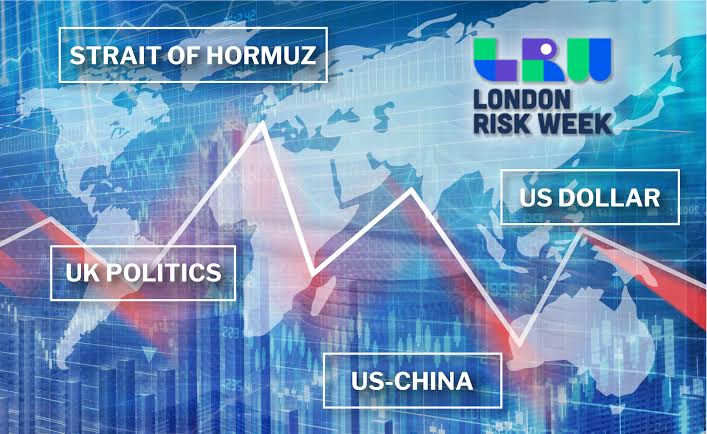
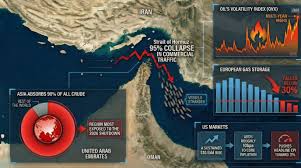
Global financial markets reacted differently to the latest developments surrounding the Strait of Hormuz, highlighting how regional economic conditions influence investor sentiment. While Tokyo and Seoul recorded notable market declines, other Asian markets, including Taipei and Hong Kong, posted gains. At the same time, UK and several European equity markets showed greater resilience despite ongoing geopolitical uncertainty.
For the chemical industry, these market movements are important because investor confidence often influences capital investment, commodity pricing, manufacturing activity, and procurement decisions. Although short-term market volatility does not necessarily indicate long-term economic weakness, procurement professionals should monitor financial trends alongside supply chain developments when planning sourcing strategies.
Why Financial Markets Matter to the Chemical Industry
Equity markets often reflect expectations about industrial production, energy demand, and global trade.
Industries most closely linked to market sentiment include:
Petrochemicals
Specialty chemicals
Fertilizers
Industrial manufacturing
Packaging materials
Chemical distribution
Changes in investor confidence can affect commodity prices, investment decisions, and future production capacity.
Global financial markets influence demand expectations for products such as Mono Ethylene Glycol (MEG), Methanol, Caustic Soda, Acetic Acid, Isopropyl Alcohol (IPA), and Urea. These chemicals are widely used across packaging, automotive, construction, pharmaceuticals, agriculture, and industrial manufacturing, making them sensitive to changes in economic activity and investor confidence.
Diversified sourcing remains an important risk management strategy.
Financial market movements should be considered alongside operational supply chain indicators rather than viewed in isolation.
Procurement Considerations
Procurement professionals should continue focusing on long-term supply security by prioritizing:
Supplier diversification
Multi-origin sourcing
Market intelligence
Inventory planning
Freight monitoring
Flexible procurement contracts
Strong procurement strategies help businesses manage uncertainty while maintaining reliable product availability.
Looking Ahead
Financial markets are expected to remain responsive to geopolitical developments affecting global trade and energy markets. While daily market movements may fluctuate, long-term procurement decisions should continue to be based on supplier reliability, logistics performance, production capacity, and overall supply chain resilience.
Companies that combine financial market awareness with diversified sourcing strategies will be better positioned to manage future uncertainty.
Key Takeaways
Asian and European equity markets reacted differently to recent Hormuz developments.
Investor sentiment continues to influence commodity and industrial markets.
Procurement teams should monitor both financial and supply chain indicators.
Supplier diversification remains an effective risk management strategy.
Long-term sourcing decisions should focus on operational resilience rather than short-term market volatility.