
UK Anti-Dumping Investigation Tests Post-Brexit Trade Remedy Independence
The UK's decision to pursue its own anti-dumping investigation into suspension PVC imports highlights a defining feature of post-Brexit chemical trade: the UK can now operate its trade remedy system independently from the European Union. For PVC producers, exporters, importers and procurement teams, that separation can create a different regulatory and commercial environment on the UK market.
The investigation puts the UK's Trade Remedies Authority (TRA) in focus as it assesses whether imported suspension PVC has been dumped and whether such imports have caused injury to UK industry. The TRA operates a dedicated UK investigation framework covering dumping, injury, causation and the wider economic interest of potential remedies.
Why the UK PVC Investigation Matters for Trade
Anti-dumping investigations can directly affect the economics of international chemical trade. If authorities determine that imports have been dumped and have caused material injury, the investigation can ultimately lead to additional duties that change the landed cost of affected products.
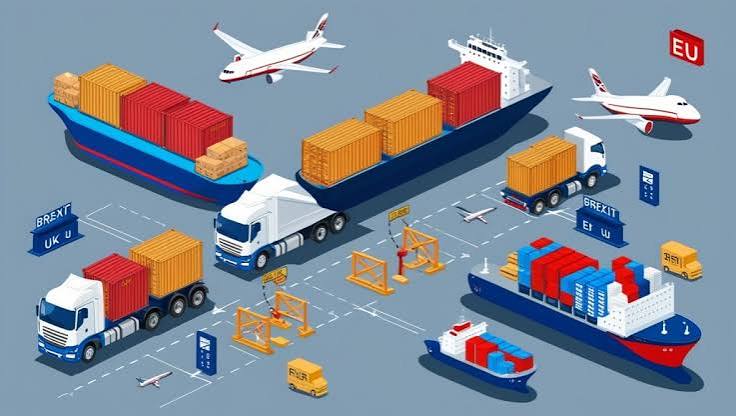
The UK's decision to conduct an investigation separately from EU action demonstrates that chemical exporters can no longer assume that a trade defence decision affecting European PVC markets will automatically determine the UK's position.
This distinction matters for companies serving both markets. Exporters may need to assess UK and EU trade remedy developments independently when planning sales, pricing and distribution strategies.
How the UK's Trade Remedies Authority Works
The TRA is responsible for investigating whether trade remedies may be needed to counteract unfair import practices affecting UK industries. Its process includes assessments of dumping, injury and causation, followed where appropriate by consideration of whether a proposed remedy serves the UK's economic interest.
The authority's role represents a significant structural change from the UK's previous position within the EU trade policy framework. Rather than relying exclusively on EU-level trade defence decisions, the UK now has its own institutional mechanism for investigating imports that may be affecting domestic producers.
For chemical traders, this creates a separate regulatory point to monitor. A development in an EU anti-dumping case may remain relevant to broader European market conditions, but it does not automatically establish the outcome of a UK investigation.
Suspension PVC Has Strategic Importance Across Manufacturing
Suspension PVC, commonly referred to as S-PVC or SPVC, is a major polymer feedstock used across a wide range of manufacturing applications. Its downstream uses include pipes, window profiles, packaging products, medical products and cable insulation. The UK TRA has previously described S-PVC as an important material for the country's manufacturing sector.
Because PVC sits upstream of multiple manufacturing industries, changes in import economics can extend beyond resin traders. Pipe manufacturers, construction product producers, cable manufacturers and other processors may all monitor developments that could affect their raw material costs.
For procurement managers, this means trade remedy developments should form part of broader PVC sourcing intelligence rather than being treated solely as a regulatory issue.
Post-Brexit Independence Creates a Separate UK Trade Signal
The most significant aspect of the investigation is not simply the product involved. It is the demonstration that the UK can develop its own response to suspected dumping after Brexit.
The UK's trade remedy framework explicitly allows the TRA to investigate new cases affecting UK industries while also handling transition reviews of certain existing EU trade remedy measures relevant to the UK.
That distinction creates a more fragmented European trade environment. Suppliers that previously evaluated Europe as one regulatory market now need to consider whether the UK and EU could adopt different approaches toward similar products or suppliers.
For exporters, the practical implications include:
Separate regulatory monitoring: UK and EU trade remedy proceedings need to be followed independently.
Different landed-cost scenarios: A UK duty could alter import economics even when EU treatment remains unchanged.
Supplier diversification: Buyers may reassess sourcing origins if trade measures affect particular supply routes.
Contract planning: Long-term PVC supply agreements may require greater attention to potential changes in import duties.
What a Trade Remedy Could Mean for PVC Procurement
The commercial effect of an anti-dumping measure depends on the final outcome and the scope of any remedy. However, procurement teams should understand how such measures can influence purchasing decisions.
Additional import costs can affect the delivered price of PVC resin and potentially change the relative competitiveness of different origins. Buyers may therefore compare suppliers not only on their quoted resin price but also on applicable duties, logistics costs and regulatory exposure.
This creates a need for more detailed landed-cost analysis. A supplier offering the lowest nominal price may not remain the most competitive option if trade measures materially change the cost of bringing the material into the UK.
Procurement teams should consider:
The origin of the PVC resin.
Potential exposure to trade remedy measures.
Alternative supplier countries and production sources.
Contract terms covering changes in duties or import costs.
Availability of technically suitable alternative grades.
The Investigation Could Influence Exporter Strategy
For international PVC producers, a UK investigation can affect more than a single sales channel. Exporters may need to evaluate their UK market strategy separately from their approach to continental Europe.
A company that supplies both markets may face different commercial conditions depending on the destination. This can influence allocation decisions, distributor relationships and pricing structures.
Exporters should also pay close attention to participation requirements during an investigation. The UK's established process provides mechanisms for interested parties to contribute evidence and information to investigations.
From a commercial perspective, accurate transaction data, cost information and market evidence can become important components of an exporter’s response strategy.
Previous UK S-PVC Action Shows the Potential Impact
The UK's trade remedy system has already demonstrated that S-PVC can result in significant trade policy intervention. In January 2024, the TRA opened an anti-dumping investigation into S-PVC imports from the United States following an application from INOVYN ChlorVinyls.
That investigation subsequently resulted in a definitive anti-dumping measure accepted by the UK government in January 2025. The measure applied duties ranging from 38.43% to 56.01% to affected US-made S-PVC imports.
The earlier case demonstrates why current and future PVC investigations deserve close attention from international suppliers. Trade remedy proceedings can ultimately move from an investigative stage into a material change in import economics.
What a Trade Remedy Could Mean for PVC Procurement
The commercial effect of an anti-dumping measure depends on the final outcome and the scope of any remedy. However, procurement teams should understand how such measures can influence purchasing decisions.
Additional import costs can affect the delivered price of PVC resin and potentially change the relative competitiveness of different origins. Buyers may therefore compare suppliers not only on their quoted resin price but also on applicable duties, logistics costs and regulatory exposure.
This creates a need for more detailed landed-cost analysis. A supplier offering the lowest nominal price may not remain the most competitive option if trade measures materially change the cost of bringing the material into the UK.
Procurement teams should consider:
The origin of the PVC resin.
Potential exposure to trade remedy measures.
Alternative supplier countries and production sources.
Contract terms covering changes in duties or import costs.
Availability of technically suitable alternative grades.
The Investigation Could Influence Exporter Strategy
For international PVC producers, a UK investigation can affect more than a single sales channel. Exporters may need to evaluate their UK market strategy separately from their approach to continental Europe.
A company that supplies both markets may face different commercial conditions depending on the destination. This can influence allocation decisions, distributor relationships and pricing structures.
Exporters should also pay close attention to participation requirements during an investigation. The UK's established process provides mechanisms for interested parties to contribute evidence and information to investigations.
From a commercial perspective, accurate transaction data, cost information and market evidence can become important components of an exporter’s response strategy.
Previous UK S-PVC Action Shows the Potential Impact
The UK's trade remedy system has already demonstrated that S-PVC can result in significant trade policy intervention. In January 2024, the TRA opened an anti-dumping investigation into S-PVC imports from the United States following an application from INOVYN ChlorVinyls.
That investigation subsequently resulted in a definitive anti-dumping measure accepted by the UK government in January 2025. The measure applied duties ranging from 38.43% to 56.01% to affected US-made S-PVC imports.
The earlier case demonstrates why current and future PVC investigations deserve close attention from international suppliers. Trade remedy proceedings can ultimately move from an investigative stage into a material change in import economics.
EU and UK Trade Defence Should Be Watched Separately
The European Union operates its own anti-dumping framework through the European Commission. EU investigations assess whether imported goods are being sold below normal value and whether such imports cause injury to EU industry, with the Commission responsible for administering EU trade defence measures.
The UK's independent system means companies trading across both markets need two layers of regulatory intelligence. An EU decision may influence regional supply patterns, but UK authorities retain their own investigative and decision-making processes.
This creates both challenges and opportunities. Suppliers that closely track both jurisdictions can identify changes in relative market attractiveness and adjust their sourcing and distribution plans accordingly.
Supply Chain Planning Becomes More Important
PVC buyers already manage several variables when sourcing resin, including feedstock economics, energy costs, freight rates, plant operating rates and regional demand. Trade remedies add another variable that can quickly change the competitiveness of different origins.
Importers should therefore avoid relying on a single sourcing route where practical. A diversified supplier base can provide greater flexibility if a specific origin becomes subject to additional duties or other trade restrictions.
The investigation also reinforces the importance of maintaining clear documentation. Procurement teams should have visibility into product origin, supplier structure, applicable tariff classifications and contractual responsibilities for additional import costs.
What Traders Should Watch During the Investigation
The most useful indicators for market participants will come from the official investigation process and subsequent findings. The TRA maintains public information on active investigations and provides access to public files for registered participants.
PVC traders should monitor developments that could affect the final commercial outcome, particularly:
Investigation findings: Evidence relating to dumping, injury and causation will shape the case.
Potential remedy scope: Any eventual measure could affect specific origins, exporters or product categories.
Economic interest considerations: The UK framework includes an assessment of whether a proposed trade remedy is in the country's economic interest.
Supplier responses: Exporters' participation can influence the evidence available to investigators.
Market reaction: Buyers and sellers may adjust pricing, inventory and sourcing strategies before a final outcome.
What This Means for UK PVC Buyers
For UK importers, the investigation reinforces the importance of treating trade policy as part of procurement planning. PVC purchasing decisions can no longer focus only on resin specifications and spot prices when regulatory measures may influence the final landed cost.
Buyers should maintain visibility across multiple potential supply sources and regularly reassess the delivered economics of each origin. They should also distinguish between developments affecting the UK market and those affecting EU markets.
The broader lesson extends beyond PVC. The UK's independent trade remedy structure means chemical importers across multiple product categories need to monitor UK-specific investigations alongside wider European trade policy.
The Bottom Line for Procurement Teams
The UK's independent anti-dumping investigation into suspension PVC imports is another important test of the country's post-Brexit trade remedy framework. It demonstrates that UK trade defence policy can develop on a separate path from EU action, creating distinct considerations for chemical exporters, importers and downstream manufacturers.
For PVC procurement teams, the priority is preparation rather than waiting for a final outcome. Monitoring the investigation, reviewing supplier exposure and maintaining alternative sourcing options can help businesses respond more effectively if import economics change.
For traders, the case also highlights the value of treating regulatory intelligence as part of everyday market analysis. Understanding where duties may emerge can be just as important as tracking resin prices, freight costs and regional supply conditions.

PVC Resin
Found this useful?