Upcycled Fermentation Ingredients: From Waste to Food Resources
Industrial food processing generates substantial quantities of residual materials that may still contain valuable nutrients. Through fermentation, manufacturers can convert suitable side streams into useful food ingredients, including organic acids, flavour compounds, functional carbohydrates and microbial biomass.
Upcycled fermentation ingredients provide an opportunity to recover value from materials that might otherwise go to waste. This approach supports resource efficiency while helping manufacturers diversify ingredient production and sourcing options.
For chemical traders, procurement managers, importers and food ingredient buyers, this emerging field creates new commercial possibilities. However, successful adoption requires careful evaluation of raw material quality, processing costs, product consistency, food safety and regulatory requirements.
What Are Upcycled Fermentation Ingredients?
Upcycled fermentation ingredients are compounds or materials produced by converting suitable industrial side streams into useful food resources. Microorganisms such as bacteria, yeasts and fungi transform nutrients in these materials into target products or help improve the properties of recovered ingredients.
How Upcycled Fermentation Differs from Conventional Fermentation
Conventional industrial fermentation often relies on standardized raw materials, including refined sugars and selected nutrient sources. Upcycled fermentation explores alternative feedstocks recovered from existing food production processes.
These residual materials may contain sugars, starches, proteins, fibres and other useful compounds. Their composition depends on the original raw material, manufacturing process and handling conditions.
Common Sources of Industrial Side Streams
Several categories of food processing residues may provide suitable fermentation feedstocks.
Fruit and vegetable residues: Peels, pulp, seeds and pomace may contain fermentable sugars, fibres and other plant compounds.
Brewing by-products: Spent grain and spent yeast contain proteins, fibres and other components that may support ingredient recovery.
Cereal processing residues: Selected milling and starch processing streams can supply carbohydrates for microbial conversion.
Sugar-rich processing streams: Molasses and suitable residual liquids can provide fermentable sugars for microbial growth.
Other food manufacturing residues: Selected organic side streams may provide useful nutrients after appropriate preparation and safety assessment.
Not every industrial by-product qualifies for food production. Manufacturers must evaluate its composition, processing history, contamination risks and suitability for the intended application.
How Industrial Side Streams Become Food Ingredients
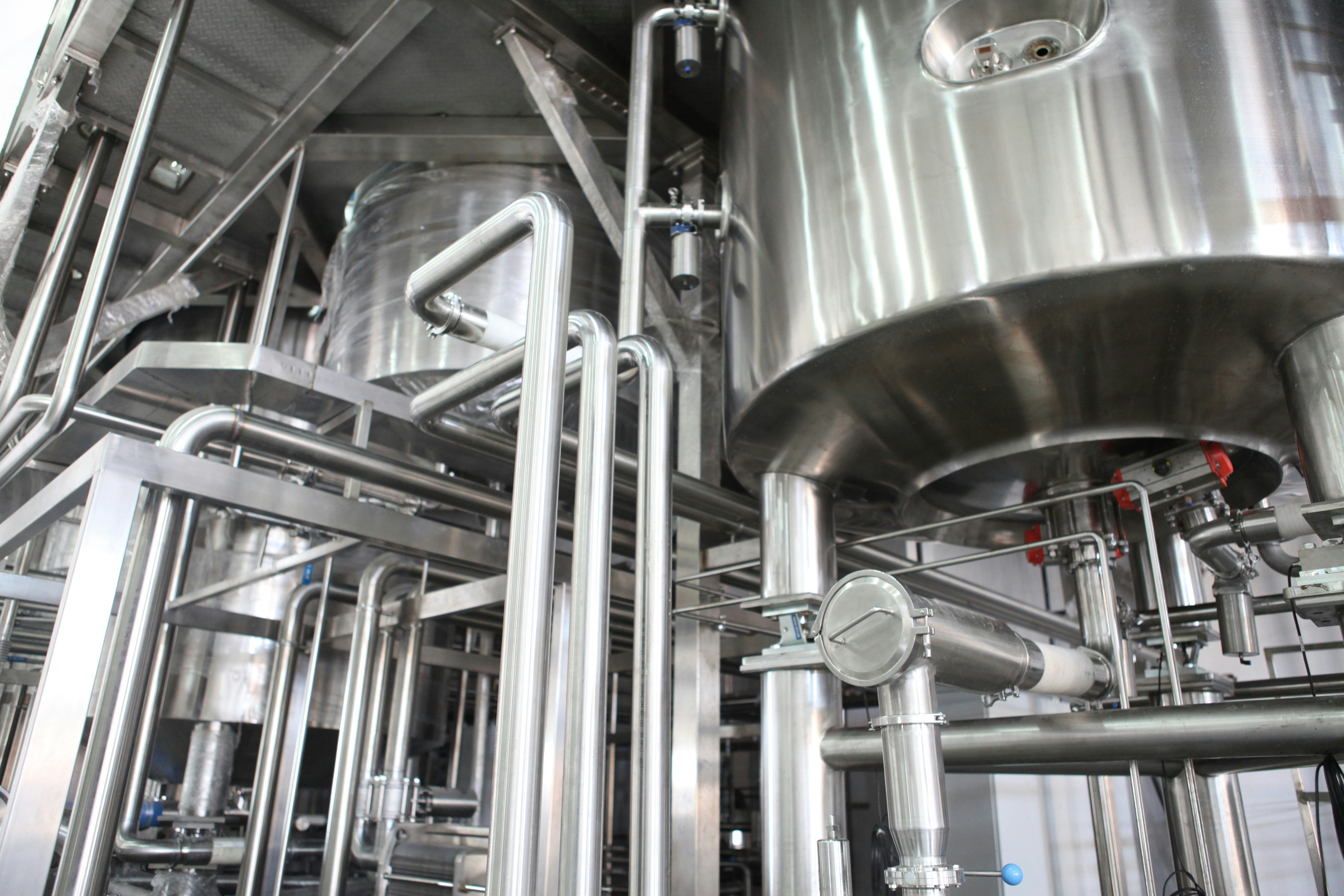
Converting residual materials into commercial ingredients requires coordinated feedstock preparation, microbial fermentation, product recovery and quality testing. Each stage influences production efficiency, ingredient consistency and the final cost.
Feedstock Selection and Preparation
Manufacturers begin by identifying a side stream with suitable nutrient content and reliable availability. They may use sorting, milling, filtration, dilution or enzymatic treatment to prepare the material for fermentation.
These treatments can make nutrients more accessible to microorganisms and remove unwanted material. The appropriate method depends on the feedstock and the target ingredient.
Controlled Microbial Fermentation
During fermentation, selected microorganisms consume available nutrients and produce target compounds or biomass. Temperature, acidity, oxygen availability, nutrient balance and processing time influence microbial activity and product quality.
Manufacturers must select suitable cultures and operating conditions based on the intended ingredient and its required specifications.
Product Recovery and Purification
After fermentation, manufacturers separate the target product from the remaining material. Depending on the application, recovery may involve filtration, separation, concentration, purification or drying.
Efficient recovery is essential to commercial success. A process may produce the target compound effectively but remain expensive if the finished ingredient requires extensive purification or energy-intensive treatment.
Quality Testing and Stabilization
Manufacturers test finished ingredients against specifications relevant to their intended use. Testing may cover purity, composition, moisture, microbiological quality, functional performance and storage stability.
Consistent quality controls help buyers compare suppliers and determine whether an ingredient can perform reliably in commercial food production.
Which Food Ingredients Can Fermentation Produce?
The range of possible products depends on the feedstock, microbial culture and production method. Some processes focus on producing specific compounds, while others recover or improve the properties of existing materials.
Organic Acids
Fermentation can convert suitable carbohydrate-rich feedstocks into organic acids such as lactic acid and acetic acid. Depending on the production process, specifications and applicable approvals, these ingredients may support acidity regulation, preservation or other food processing functions.
Buyers should evaluate concentration, purity, impurity profiles and compatibility with the intended formulation.
Flavour and Aroma Compounds
Selected microorganisms can produce flavour-related compounds from suitable renewable substrates. These ingredients may provide alternative production routes for food manufacturers seeking consistent flavour and aroma components.
Important evaluation criteria include sensory performance, purity, batch consistency and the supplier's ability to maintain product specifications.
Functional Carbohydrates and Polysaccharides
Certain fermentation processes produce microbial polysaccharides, while related processing methods can transform complex carbohydrates into useful fractions. Depending on their properties and permitted uses, these materials may serve as thickeners, stabilizers or texture-modifying ingredients.
Manufacturers should test viscosity, solubility, stability and performance under actual processing conditions.
Protein-Rich Ingredients and Microbial Biomass
Microorganisms can convert suitable nutrient streams into biomass or protein-rich materials. These products may support food ingredient development when they meet the necessary nutritional, safety and regulatory requirements.
Their commercial potential depends on protein composition, digestibility, functionality and suitability for the intended food application.
Specialty and Functional Ingredients
Fermentation and related recovery methods can also produce or transform selected compounds with potential functional properties. Manufacturers need appropriate evidence to support the safety and intended use of each ingredient.
Commercial Opportunities for Food Manufacturers and Buyers
Upcycled fermentation creates opportunities throughout the food ingredient supply chain, from raw material collection to finished product distribution. Its commercial value depends on producing consistent ingredients that meet market demand.
Creating Value from Processing Residues
Food processing companies may generate additional revenue by supplying suitable side streams to ingredient manufacturers. Partnerships with fermentation facilities can also create alternative outlets for materials that previously required disposal or lower-value applications.
The business case depends on feedstock availability, collection costs, treatment requirements and the market value of the finished ingredient.
Diversifying Ingredient Sourcing
Food manufacturers can evaluate upcycled ingredients as alternatives or complements to conventional products. These materials may help diversify supply options when they meet required technical specifications and deliver consistent performance.
Procurement teams should compare the complete delivered cost rather than focusing exclusively on the quoted purchase price.
Opportunities for Chemical Traders and Distributors
Chemical traders and distributors can connect feedstock suppliers, fermentation manufacturers and food ingredient buyers. Their services may include supplier qualification, specification comparison, logistics coordination and recurring order management.
Distributors can also help customers identify alternative ingredients when conventional supply chains face shortages or cost pressures.
What Makes an Upcycled Ingredient Commercially Viable?
Successful projects generally require:
Reliable feedstock availability and predictable raw material quality.
Efficient fermentation with commercially viable productivity.
Effective product recovery and purification.
Consistent performance in the intended food application.
Compliance with food safety and destination-market regulations.
Competitive total costs across processing, storage and transportation.
Sustainability benefits can strengthen commercial appeal, but they cannot replace technical performance or economic viability.
Supply Chain and Quality Challenges to Consider
Industrial side streams can vary between suppliers, production batches and seasons. Changes in sugar content, moisture, acidity, fibre or protein levels may affect fermentation performance and the quality of the finished ingredient.
Feedstock Variability and Storage
Fruit residues may vary according to variety, maturity and processing conditions. Cereal residues may differ in moisture and nutrient composition, requiring adjustments to feedstock preparation or fermentation.
Wet organic materials can also deteriorate during storage and transport. Buyers and processors should assess collection schedules, preservation methods, transport distances and storage conditions before establishing supply agreements.
Supplier Qualification and Documentation
Procurement teams should request documentation that supports the quality, traceability and suitability of an ingredient.
Product specifications: Confirm composition, purity, moisture limits and other application-specific parameters.
Certificates of analysis: Review batch test results against agreed acceptance criteria.
Traceability records: Establish the origin and processing history of the feedstock.
Contaminant controls: Evaluate relevant microbiological and chemical hazards.
Production consistency: Review how suppliers manage variability and out-of-specification batches.
Supply reliability: Assess production capacity, seasonal availability and contingency arrangements.
These checks help buyers distinguish a promising sample from a supplier capable of supporting regular commercial orders.
Food Safety and Regulatory Compliance Requirements
Food safety remains essential throughout the upcycling process. An industrial residue does not automatically become suitable for human consumption simply because fermentation changes its composition.
Contamination Prevention and Process Controls
Manufacturers should evaluate the original feedstock, production environment, selected microorganisms and finished ingredient. Appropriate controls must address relevant pathogens, chemical contaminants, unwanted metabolites and cross-contamination risks.
Suppliers should maintain documented procedures for raw material handling, production monitoring and finished product release.
Regulatory Requirements Across Markets
Requirements vary according to the ingredient, production method, intended application and destination market. Buyers involved in international trade should verify the product's legal status and permitted uses before importing it or incorporating it into food products.
Procurement teams should check relevant approvals, technical documentation, allergen information, traceability records and applicable food safety requirements.

Product Validation Before Commercial Adoption
Even when an ingredient meets its basic specifications, it may affect the taste, colour, texture or shelf life of a finished product. Manufacturers should conduct formulation trials to confirm compatibility and processing performance.
Environmental and nutritional claims also require suitable supporting evidence. Clear documentation helps buyers assess the product and communicate its characteristics accurately.
Sustainability Benefits of Upcycled Fermentation
Upcycled fermentation supports resource efficiency by keeping suitable materials in productive use. It can create additional value from food processing residues and reduce the quantity of material sent directly to disposal.
Reducing Waste Through Resource Recovery
Converting suitable side streams into useful ingredients can improve resource utilization and create new revenue opportunities for processors. The Food and Agriculture Organization of the United Nations discusses waste valorization and circularity as important areas within sustainable resource management.
Reference: https://www.fao.org/bioeconomy/thematic-areas/topics/waste---circularity/en
Evaluating Environmental Performance
The environmental benefits of an upcycled ingredient depend on the entire production system. Energy consumption, water use, pretreatment, purification and transportation can all influence its overall environmental footprint.
Businesses should not assume that every upcycled product automatically performs better environmentally than its conventional equivalent. Life cycle assessments can help compare production routes and identify areas for improvement.
Building More Efficient Supply Networks
Partnerships between food processors, fermentation facilities and ingredient buyers can improve coordination between feedstock availability and product demand. Processing materials close to their source may also reduce logistical complexity.
A successful circular supply chain requires dependable material flows, appropriate processing capacity and buyers who can use the resulting ingredients at commercially viable volumes.
What Procurement Teams Should Prioritize
Procurement teams should begin by identifying a specific ingredient requirement rather than selecting a product solely for its sustainability benefits. Organic acids, flavour compounds, functional carbohydrates and protein-rich materials each require different specifications and evaluation criteria.
Evaluate Samples and Technical Specifications
Request representative samples, certificates of analysis and relevant safety documentation. Conduct application trials to verify performance under the actual processing conditions used by the buyer.
Compare Total Delivered Costs
Assess the purchase price alongside transportation, storage, testing, handling and additional processing requirements. A lower feedstock cost does not necessarily translate into a lower finished ingredient cost.
Establish Reliable Supply Arrangements
Before committing to large volumes, assess the supplier's production capacity, batch consistency and ability to meet delivery schedules. A phased purchasing arrangement can help validate commercial performance, while an alternative qualified supplier may reduce supply disruption risks.
Upcycled fermentation ingredients offer food manufacturers and ingredient traders an opportunity to connect resource recovery with commercial ingredient production. Businesses that combine supplier qualification, regulatory compliance and realistic cost evaluation can identify products that meet both production needs and sourcing objectives.
Lactic Acid (E270)
Found this useful?