UPM Leuna biorefinery starts commercial wood based chemicals
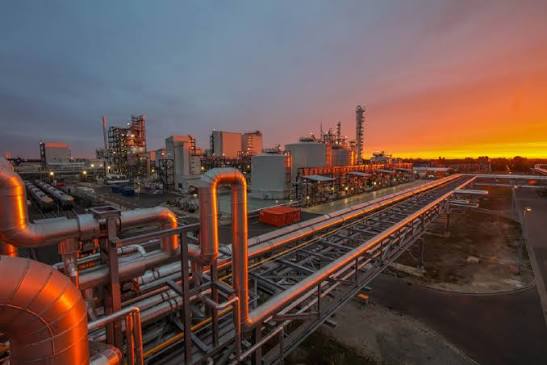
UPM's Leuna biorefinery in Germany has entered commercial production of wood-based chemicals, marking an important step in the industrial-scale development of renewable chemical feedstocks in Europe.
The facility has begun commercial deliveries of industrial sugars, while its integrated process is designed to convert sustainably sourced hardwood into renewable glycols and lignin-based functional fillers. Once fully operational, the biorefinery is expected to produce approximately 220,000 tonnes of advanced biochemicals annually. (upm.com)
The development is significant because it moves wood-based chemistry beyond pilot-scale applications toward commercial substitution of fossil-based raw materials.
From Wood to Multiple Chemical Streams
The Leuna biorefinery uses a process designed to separate hardwood into different valuable streams, including sugars and lignin.
These feedstocks can then be converted into products such as:
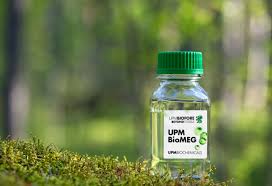
Bio-monoethylene glycol (BioMEG)
Bio-monopropylene glycol (BioMPG)
Renewable functional fillers
Industrial sugars
Other lignin-derived materials
This approach creates multiple revenue streams from a single renewable feedstock and increases the potential value recovered from wood. (upmbiochemicals.com)
Renewable Glycols Target Established Markets
UPM's renewable glycols are designed as alternatives to conventional fossil-based glycol feedstocks while remaining compatible with existing production processes.
Potential applications include:
PET bottles
Packaging
Polyester textiles
Coolants
Composites
Pharmaceuticals
Cosmetics
Detergents
This compatibility is commercially important because customers may be able to introduce renewable feedstocks without completely redesigning existing manufacturing systems. (upm.com)
Lignin Creates a Second Circularity Opportunity
The other major opportunity is lignin.
UPM's Renewable Functional Fillers (RFF) are designed as alternatives to conventional reinforcing materials such as carbon black and precipitated silica in selected rubber and plastics applications.
This expands the commercial potential of lignin beyond its traditional role as a by-product of wood processing.
The material can potentially support applications including:
Tires
Rubber hoses
Rubber flooring
Thermoplastics
Thermoplastic elastomers
UPM also identifies broader lignin applications in resins, adhesives, bioplastics, and polyurethanes. (upmbiochemicals.com)
Commercial Scale Is the Key Development
The significance of Leuna lies in its industrial scale.
UPM announced the 220,000-tonne-per-year biorefinery in 2020, with an investment estimate that has been reported at more than €1.2 billion. Commissioning and start-up began in late 2024, while commercial industrial-sugar deliveries started in Q4 2025. (upm.com)
UPM's 2026 reporting shows that the ramp-up continued during the second quarter, with industrial-sugar deliveries reaching substantial volumes. Renewable functional fillers and other lignin derivatives were expected to begin customer deliveries in Q3 2026. (upm.com)
This makes the project a useful benchmark for evaluating whether bio-based chemistry can move from sustainability concept to commercially scalable chemical platform.
Feedstock Traceability Matters
UPM states that the wood used at Leuna is FSC™ or PEFC™ certified, fully traceable, and covered by third-party chain-of-custody verification.
This is increasingly important for customers that need to demonstrate the origin and sustainability of renewable feedstocks.
For procurement teams, bio-based content alone may not be sufficient. Buyers may increasingly assess:
Feedstock origin
Chain of custody
Certification
Carbon footprint
Production efficiency
Compatibility with existing processes
Supply reliability
These factors can determine whether a renewable chemical is commercially viable for downstream customers. (upmbiochemicals.com)
Competitive Intelligence
UPM's Leuna project provides several signals for companies monitoring bio-based and circular chemistry.
1. Commercial Scale Is Becoming the Test
The transition from demonstration projects to commercial production will determine which bio-based chemical technologies can compete economically.
2. Drop-In Materials Have an Advantage
Renewable chemicals that can work within existing production and recycling systems may face fewer adoption barriers.
3. Feedstock Traceability Is Increasingly Valuable
Certified and traceable biomass can strengthen the credibility of sustainability claims.
4. Multiple Product Streams Improve Economics
Producing sugars, glycols, lignin derivatives, and fillers from one feedstock can improve overall resource utilization.
5. European Bioeconomy Investment Is Expanding
Large-scale projects such as Leuna demonstrate continued European investment in alternatives to fossil-derived chemical feedstocks.
Procurement Considerations
Companies evaluating bio-based chemical alternatives should assess the complete commercial proposition rather than focusing only on renewable content.
Procurement teams should consider:
Product performance
Renewable carbon content
Feedstock certification
Lifecycle emissions
Supply availability
Production scale
Compatibility with existing processes
Quality consistency
Customer qualification requirements
Long-term pricing
For manufacturers seeking to reduce fossil feedstock exposure, commercially available bio-based alternatives can provide an additional sourcing option when technical and economic requirements are met.
Looking Ahead
UPM's Leuna biorefinery represents a significant experiment in the commercialization of wood-based industrial chemistry.
The project's importance extends beyond UPM because it demonstrates a model in which renewable biomass can be converted into multiple chemical building blocks that enter established markets.
If the facility reaches its planned production scale and customers adopt its renewable glycols and lignin-derived materials successfully, Leuna could provide an important reference point for future bio-refineries and circular chemical investments.
For chemical procurement teams, the broader trend is clear: renewable feedstocks are increasingly moving from niche applications toward industrial-scale supply chains.
Key Takeaways
UPM's Leuna biorefinery in Germany has entered commercial production of wood-based chemicals.
Commercial industrial-sugar deliveries began in Q4 2025.
The facility is designed for approximately 220,000 tonnes per year of advanced biochemicals when fully operational.
Planned products include renewable BioMEG, BioMPG, lignin-based Renewable Functional Fillers, and industrial sugars.
Renewable glycols can serve markets including packaging, PET, textiles, cosmetics, detergents, coolants, and pharmaceuticals.
Lignin-derived fillers are positioned as alternatives to materials such as carbon black and precipitated silica in selected applications.
UPM uses FSC™ or PEFC™ certified and traceable hardwood feedstock.
The project provides an important benchmark for scaling bio-based chemistry into established industrial markets.
Sources
Biotin
Found this useful?