Urea Formaldehyde Resin: Applications in Wood Panels and Adhesive Manufacturing
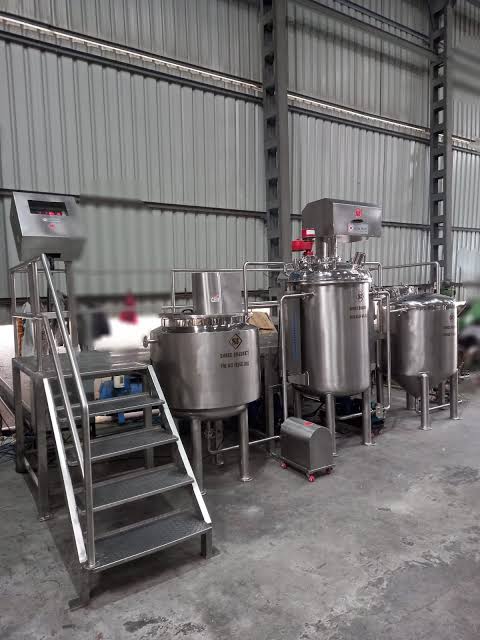
Urea formaldehyde (UF) resin is one of the most widely used synthetic adhesives in the wood-processing and engineered panel industries. Produced through a chemical reaction between urea and formaldehyde, this thermosetting resin provides strong bonding performance, fast curing and cost-effective processing.
Its ability to bond wood particles, fibres and veneers makes it an important raw material for manufacturing medium-density fibreboard (MDF), particleboard, plywood and other interior wood products.
UF resin is particularly popular among manufacturers because it offers reliable adhesion, a relatively colourless glue line and efficient production at elevated temperatures. These properties make it suitable for large-scale furniture, cabinetry and construction-material manufacturing.
What Is Urea Formaldehyde Resin?
Urea formaldehyde resin is an amino-based thermosetting polymer formed by reacting urea with formaldehyde under controlled temperature and pH conditions.
During manufacturing, the two raw materials undergo chemical reactions that produce resin compounds capable of hardening when exposed to suitable heat and curing conditions.
Once cured, the resin forms a rigid adhesive bond between wood surfaces or particles. Unlike thermoplastic materials, thermosetting UF resin does not simply melt again when reheated.
Important properties include:
Fast curing: Supports efficient industrial pressing and bonding operations.
Strong adhesion: Provides effective bonding between wood particles, fibres and veneers.
Cost efficiency: Offers an economical adhesive solution for high-volume panel production.
Light-coloured glue lines: Helps maintain the appearance of finished wood products.
Good surface finish: Supports the production of smooth and uniform engineered panels.
Processing flexibility: Can be formulated for different wood-processing requirements.
However, conventional UF resin has limited moisture resistance compared with some alternative adhesive systems. It is therefore primarily used in interior-grade wood products.
Major Applications in Wood Panel Manufacturing
1. Medium-Density Fibreboard (MDF)
<image-placeholder>MDF boards and fibreboard manufacturing line</image-placeholder>
MDF is manufactured by combining refined wood fibres with an adhesive system and compressing the mixture under controlled heat and pressure.
UF resin is commonly used as the bonding agent in standard MDF production. It holds individual fibres together, creating a dense and relatively uniform panel.
Its applications include:
Furniture components and cabinet doors
Interior wall panels and decorative boards
Shelving and storage systems
Interior doors and mouldings
Office furniture and retail fixtures
The resin's fast curing characteristics help manufacturers maintain efficient production cycles while achieving consistent panel quality.
2. Particleboard Manufacturing
<image-placeholder>Industrial particleboard production with wood chips and pressed panels</image-placeholder>
Particleboard, also known as chipboard, is produced by bonding wood particles, chips or sawmill residues into rigid panels.
UF resin is applied to prepared wood particles, which are then formed into a mat and compressed using heat and pressure. During pressing, the resin cures and binds the particles together.
Particleboard is widely used in:
Ready-to-assemble furniture
Kitchen cabinets and wardrobes
Office desks and workstations
Shelving and storage units
Interior furniture components
Its relatively low production cost makes particleboard attractive for manufacturers producing affordable furniture and interior products at commercial scale.
3. Plywood and Veneer Bonding
UF resin is also used in plywood manufacturing, particularly for interior-grade products.
Plywood consists of thin wood veneers arranged in layers, usually with the grain direction alternating between adjacent layers. Adhesive is applied between the veneers before they are assembled and pressed.
UF resin helps create a strong bond between the layers and provides a relatively light-coloured glue line.
Typical applications include:
Interior plywood panels
Furniture manufacturing
Decorative wall panels
Cabinet construction
Interior doors and partitions
Because conventional UF resin has limited resistance to prolonged moisture exposure, it is generally unsuitable for demanding exterior applications. Phenol-formaldehyde or other moisture-resistant adhesive systems are more appropriate where greater durability is required.
4. High-Density Fibreboard and Other Interior Panels
UF-based adhesive systems can also be used in selected high-density fibreboard and other engineered wood panel applications.
The resin binds wood fibres into a compact structure, helping manufacturers produce panels with consistent dimensions and surface characteristics.
Depending on the intended application, manufacturers adjust the resin formulation and pressing conditions to achieve the required density, strength and surface quality.
Applications in Adhesive Manufacturing
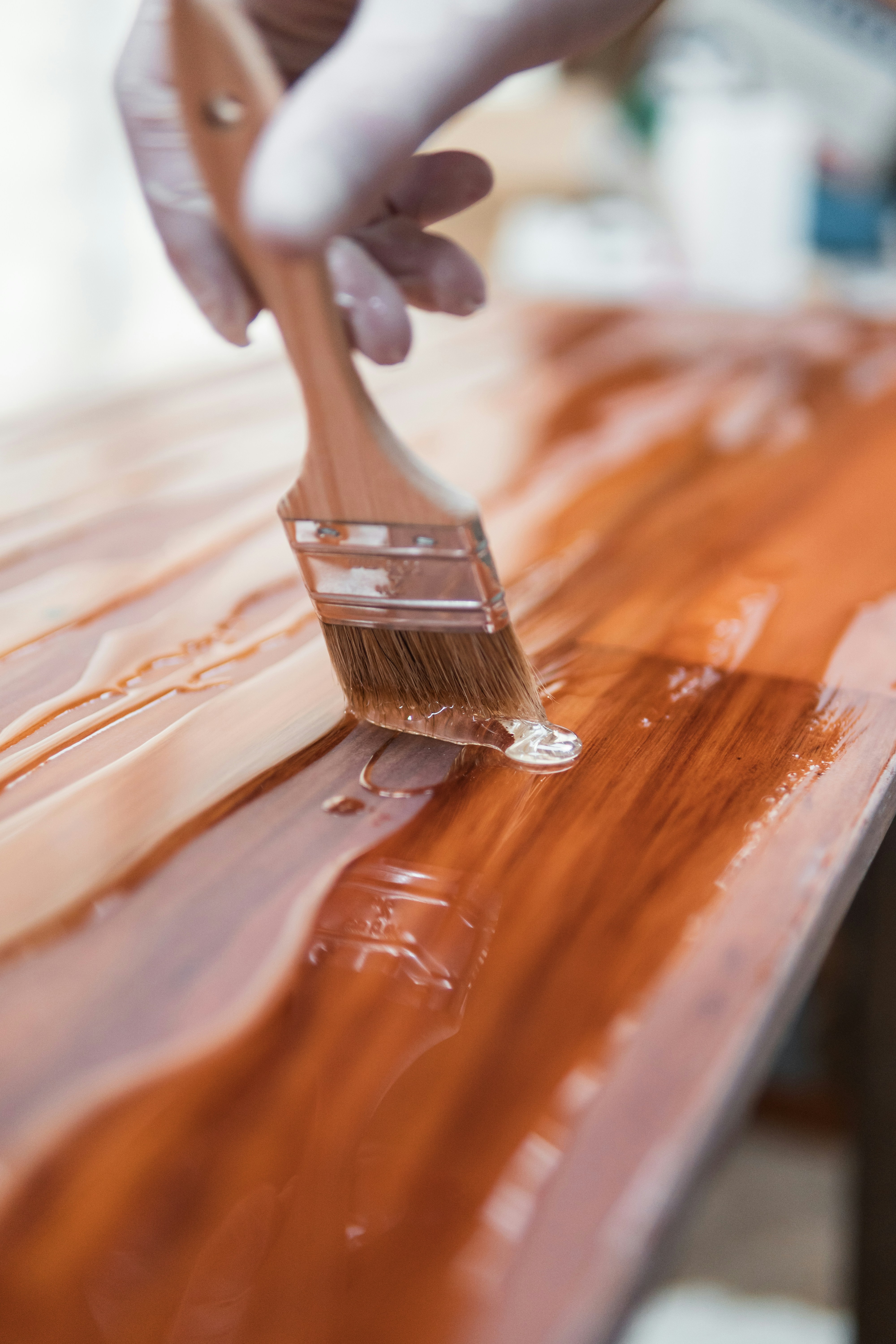
Beyond complete wood panel production, UF resin is an important component in industrial adhesive formulations.
Wood Assembly Adhesives
UF-based adhesives are used to join wooden components in furniture and interior woodworking. They can bond suitable wood surfaces during assembly operations involving controlled pressure and curing.
Applications include furniture frames, wooden joints, interior fittings and other non-structural wood assemblies.
Laminating and Surface Bonding
UF resin formulations can be used in selected laminating applications where decorative materials or surface layers need to be bonded to wood-based substrates.
These applications include furniture panels, interior surfaces and flush-door components.
Veneering Adhesives
In veneer processing, UF resin helps bond thin decorative wood sheets to supporting substrates. This allows manufacturers to produce furniture and interior panels with a natural wood appearance while using engineered or lower-cost core materials.
Why Manufacturers Choose Urea Formaldehyde Resin
UF resin remains commercially important because it combines several practical advantages for industrial production.
Manufacturing requirement | UF resin contribution |
|---|---|
Production efficiency | Fast curing under suitable conditions |
Adhesive performance | Effective bonding of wood particles and fibres |
Product appearance | Relatively colourless glue lines |
Cost management | Economical for high-volume applications |
Panel consistency | Supports uniform engineered wood products |
Processing | Suitable for established hot-press manufacturing systems |
For manufacturers producing MDF, particleboard and interior plywood, these characteristics make UF resin a practical choice for balancing production costs and product performance.
Formaldehyde Emissions and Industry Challenges
Despite its industrial advantages, formaldehyde emissions are an important consideration in UF resin manufacturing and the use of finished wood panels.
Formaldehyde can be released during resin production, panel manufacturing and the service life of certain finished products. Emission levels depend on resin formulation, manufacturing conditions, curing efficiency, product design and environmental conditions such as temperature and humidity.
Manufacturers are increasingly focusing on reducing emissions through several approaches:
Low-emission resin formulations: Adjusting resin chemistry to reduce free formaldehyde and potential release.
Formaldehyde scavengers: Adding suitable chemicals that react with or capture free formaldehyde.
Process optimization: Improving curing conditions and controlling resin application.
Product testing: Measuring emissions and verifying compliance with relevant standards.
Alternative adhesive systems: Evaluating melamine-modified, isocyanate-based and bio-based adhesives.
Regulatory requirements and customer expectations vary across markets. Manufacturers therefore need to select resin formulations that meet the applicable emission limits and product-performance requirements.
UF Resin Compared With Other Wood Adhesive Systems
Different wood-based products require different adhesive properties. UF resin is often selected for interior applications, while alternative systems may be more suitable for moisture-resistant or structural products.
Adhesive type | Common applications | Main consideration |
|---|---|---|
Urea formaldehyde (UF) | MDF, particleboard, interior plywood | Economical, fast-curing, limited moisture resistance |
Melamine urea formaldehyde (MUF) | Moisture-resistant panels and selected plywood | Improved moisture resistance compared with conventional UF |
Phenol formaldehyde (PF) | Exterior plywood and structural panels | Strong moisture and weather resistance |
pMDI | OSB and selected engineered wood products | Formaldehyde-free adhesive chemistry, but different handling and processing requirements |
The selection depends on the final product, operating conditions, manufacturing equipment, cost targets and applicable standards.
Market Demand and Industrial Opportunities
Demand for UF resin is closely connected to the production of engineered wood panels and furniture. Growth in housing, commercial construction, interior renovation and ready-to-assemble furniture can support demand for MDF and particleboard, creating opportunities for resin manufacturers and suppliers.
The market also faces pressure to improve environmental performance. Low-emission formulations, more efficient production methods and alternative raw materials are becoming important areas of research and product development.
For chemical suppliers, this creates opportunities to serve panel manufacturers with consistent resin quality, technical support and formulations designed for specific production requirements.
What Buyers Should Consider When Sourcing UF Resin
Industrial buyers should evaluate more than the purchase price when selecting a UF resin supplier. Resin quality can directly affect production efficiency, panel performance and compliance.
Important purchasing considerations include:
Solids content: Determines the proportion of non-volatile resin material in the supplied product.
Viscosity: Influences pumping, mixing, spraying and application performance.
Gel time: Helps determine curing behaviour under specified conditions.
pH level: Affects resin stability and curing characteristics.
Free formaldehyde content: Important for controlling emissions and meeting product requirements.
Storage stability: Determines how the resin performs during storage and transportation.
Technical documentation: Buyers should review specifications, safety data sheets and relevant compliance documentation.
Application suitability: The formulation should match the intended panel type, production equipment and pressing conditions.
Working with a technically reliable supplier can help manufacturers maintain consistent production quality and reduce operational problems.
Future Outlook for Urea Formaldehyde Resin
Urea formaldehyde resin is expected to remain an important adhesive in interior engineered wood manufacturing because of its established production processes, cost advantages and effective bonding performance.
At the same time, the industry is moving towards improved emission control, more efficient resin formulations and greater evaluation of alternative adhesive technologies.
For resin producers, panel manufacturers and industrial buyers, the ability to balance cost, performance and environmental compliance will remain central to long-term competitiveness. UF resin's established role in MDF, particleboard and interior plywood production ensures its continued relevance in the wood-panel supply chain.
Melamine Formaldehyde (Melamine)
Found this useful?