US Hormuz Policy Uncertainty: What It Means for Chemical Trade | ChemicalsBlog.com
Country Watch
schedule3 Min Read
US Energy Policy Whiplash: Trump's Toll Threat Versus Wright's Walk-Back
terminal
prodchem
Jul 20, 2026
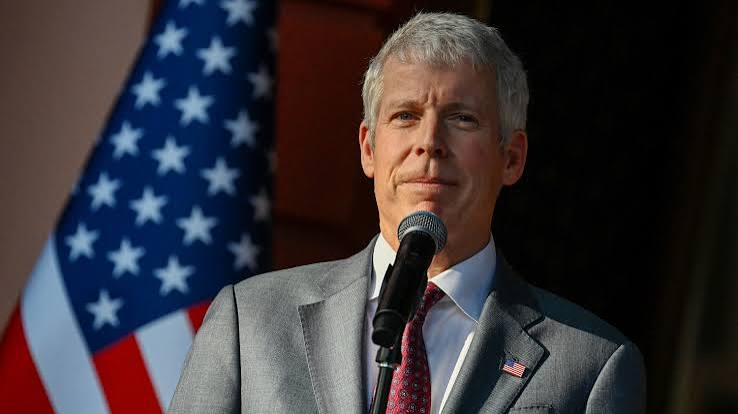
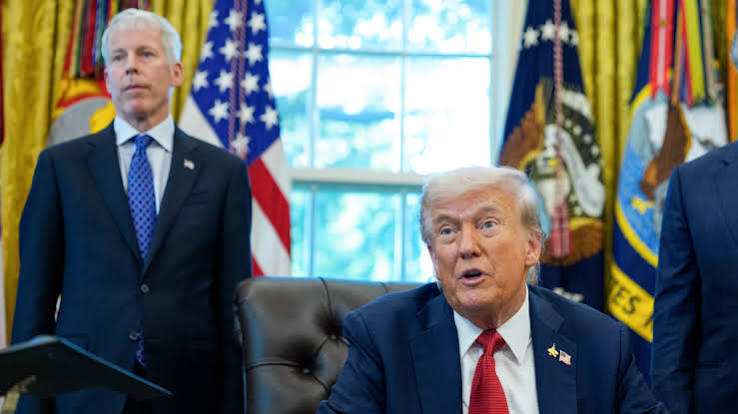
Recent US policy statements regarding the Strait of Hormuz have highlighted how rapidly changing political messaging can create uncertainty for global energy and chemical markets. While former President Donald Trump suggested the possibility of a 20% fee on cargo transiting the Strait of Hormuz, US Energy Secretary Chris Wright later stated that such tolls were not under consideration, signaling a notable difference in policy messaging.
For procurement professionals, this episode illustrates how policy uncertainty—even without immediate implementation—can influence market expectations, freight costs, commodity prices, and long-term sourcing strategies. Since the Strait of Hormuz handles a significant share of global crude oil, LNG, and petrochemical exports, any proposed changes to transit rules are closely watched by international businesses.
Why Policy Consistency Matters
Global chemical supply chains rely on stable trade policies and predictable shipping conditions.
Clear and consistent policy communication helps businesses plan procurement, logistics, and inventory management more effectively.
Market Implications
Conflicting policy signals may contribute to:
Increased commodity price volatility
Uncertainty in freight markets
Higher shipping risk assessments
Greater emphasis on supply chain resilience
More cautious procurement planning
Increased monitoring of geopolitical developments
Even when proposed measures are not implemented, market sentiment can influence purchasing decisions and logistics planning.
Procurement Considerations
Procurement professionals should strengthen supply chain resilience by focusing on:
Multi-origin sourcing
Long-term supplier relationships
Inventory optimization
Freight and logistics monitoring
Contract flexibility
Continuous market intelligence
Diversified sourcing strategies help businesses respond more effectively to policy uncertainty and changing market conditions.
Looking Ahead
As geopolitical developments continue to influence global trade, policy consistency will remain an important factor for chemical manufacturers and buyers. While no Hormuz transit fee has been introduced, the differing policy statements demonstrate how quickly expectations can shift in global markets.
For procurement teams, maintaining flexible sourcing strategies and closely monitoring regulatory developments will remain essential for managing long-term supply chain risks.
Key Takeaways
Conflicting US policy statements created uncertainty around Hormuz shipping costs.
The Strait of Hormuz remains a critical route for global chemical and energy trade.
Market sentiment can influence pricing even without formal policy changes.
Procurement teams should monitor policy developments alongside logistics conditions.
Diversified sourcing and flexible procurement strategies improve supply chain resilience.