The Olin-Huntsman merger of equals announced in 2026 creates a $12.5 billion diversified chemical company combining two major players in US Gulf Coast manufacturing. The transaction brings together Olin's leadership in chlor-alkali products including caustic soda, chlorine and derivatives with Huntsman's portfolio spanning polyurethanes, performance products and textile chemicals. For procurement teams sourcing materials from Gulf Coast chemical infrastructure, this consolidation carries implications extending beyond typical merger impacts to affect regional employment patterns, manufacturing footprints and the competitive dynamics that determine pricing and supply reliability for chlorine derivatives, caustic soda and downstream specialty chemicals.
The merger represents significant consolidation in Gulf Coast chemical manufacturing where both companies operate major facilities employing thousands and supporting extensive contractor workforces. The region's dense chemical industry cluster means that employment changes at merged entities ripple through local economies, affect labor availability for other manufacturers and potentially reshape the skilled workforce distribution that supports petrochemical operations across Texas and Louisiana.
What the Combined Entity Creates
The Olin-Huntsman combination produces the largest integrated chlor-alkali producer in North America with combined caustic soda capacity exceeding 5 million tons annually and corresponding chlorine production supporting downstream derivatives including chlorinated solvents, bleach, vinyl chloride monomer and specialty chlorinated chemicals.
Huntsman's polyurethane business adds methylene diphenyl diisocyanate (MDI) and polyols to the portfolio, serving construction, automotive and appliance markets through major Gulf Coast production facilities. The performance products segment includes amines, surfactants and maleic anhydride operations integrated with chemical clusters around Port Arthur, Texas and other regional hubs.
Textile chemicals including dyes, specialty chemicals for fabric processing and performance additives round out the portfolio with manufacturing presence extending beyond the Gulf Coast but with significant regional operations.
The combined company's scale in chlor-alkali creates market power affecting pricing dynamics, supply allocation during tight markets and the leverage individual buyers can exercise in contract negotiations. Procurement teams sourcing caustic soda or chlorine derivatives will face a supplier with enhanced ability to dictate terms compared to the separate entities.
Chlor-Alkali Consolidation Specifics
The US chlor-alkali industry has consolidated substantially over decades as commodity production economics favor scale and vertical integration. The Olin-Huntsman merger continues this pattern, reducing the number of major independent merchant producers and concentrating capacity among fewer operators.
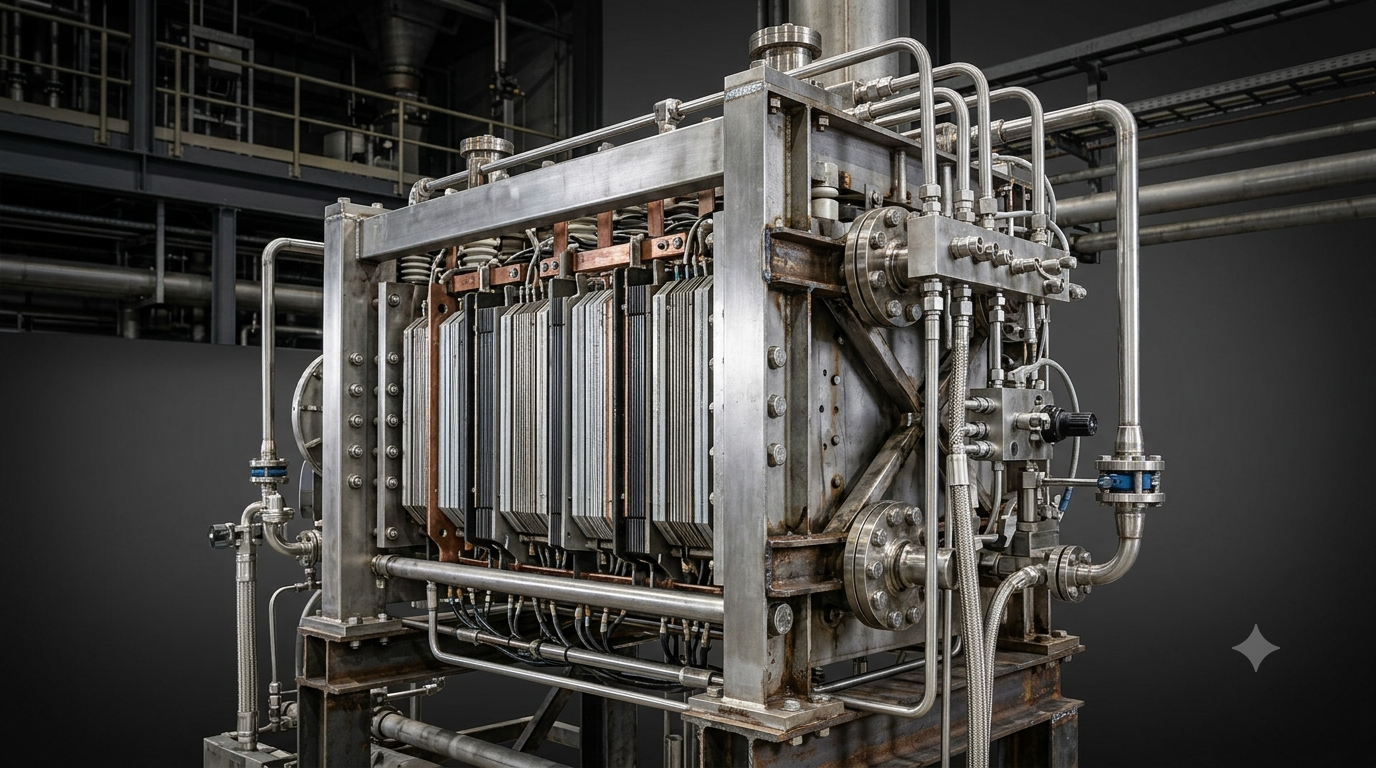
Chlor-alkali production uses electrolytic cells to split sodium chloride brine into chlorine gas, caustic soda and hydrogen. The process is capital intensive with membrane cell technology requiring significant investment in electrochemical equipment, power infrastructure and brine handling systems. Operating costs are dominated by electricity consumption, making power costs critical to competitive positioning.
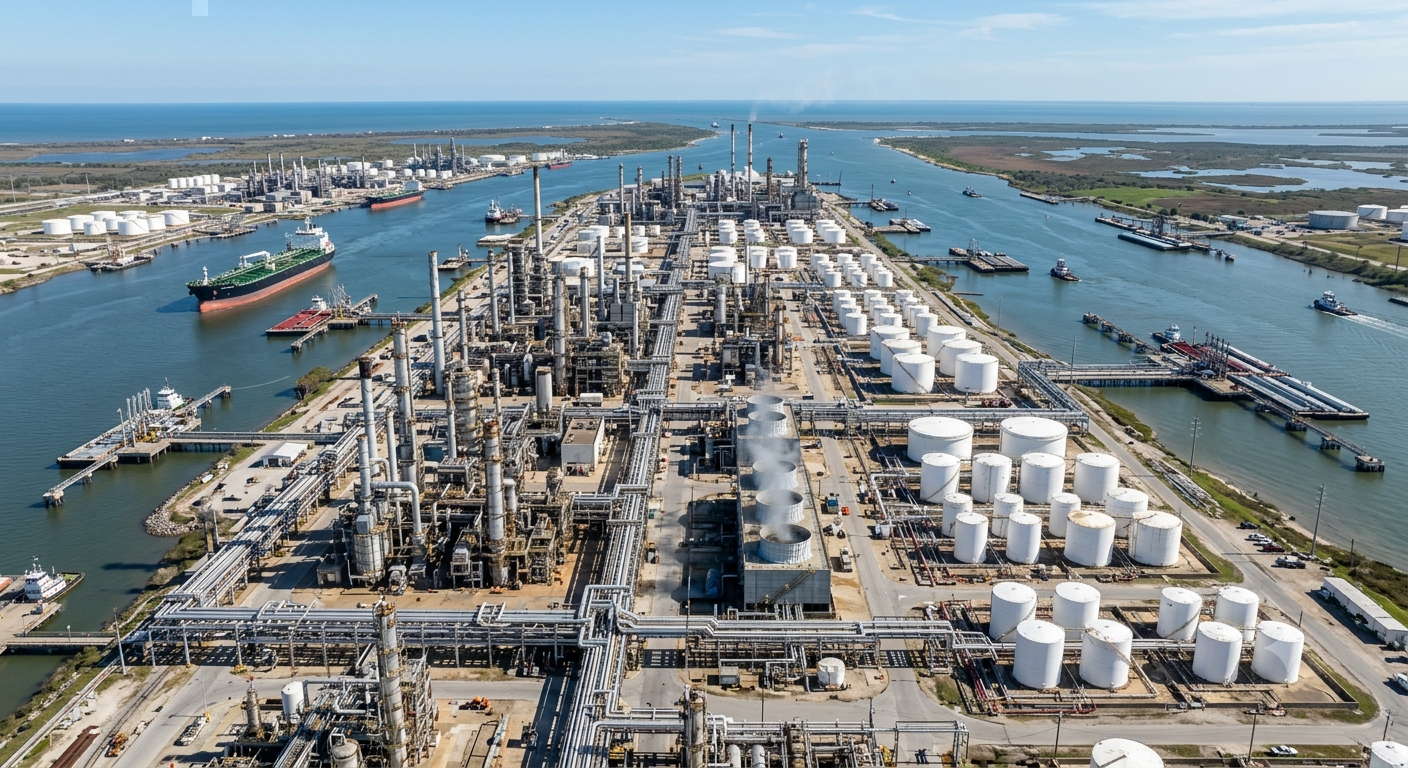
Gulf Coast facilities benefit from relatively low industrial electricity rates, proximity to Gulf Coast chlorine consumers including vinyl chloride producers and access to salt resources either through solution mining or brine pipeline networks. These advantages created the regional concentration of chlor-alkali capacity that now gets consolidated through the Olin-Huntsman merger.
The merged entity operates membrane cell technology at modern facilities achieving energy efficiency and product purity that older mercury or diaphragm cell plants cannot match. This technology leadership supports premium product positioning and enables serving specialty markets requiring high-purity caustic or chlorine.
However, the combination also creates production redundancies where both companies operated facilities serving overlapping markets. Integration decisions about which sites to operate at full capacity, which to reduce and which potentially to close will determine employment impacts over the next 24 to 36 months.
Employment and Workforce Implications
Merger synergies projected by management include $250 million to $400 million in annual savings achieved through eliminating duplicate overhead, optimizing manufacturing footprints and consolidating support functions including procurement, logistics, R&D and administrative services. These savings translate directly into workforce reductions affecting both salaried and hourly employees.
Corporate headquarters consolidation will eliminate one of the two executive teams and associated corporate staff. Olin's headquarters in Clayton, Missouri and Huntsman's in The Woodlands, Texas represent several hundred high-paid corporate positions that will be rationalized to a single location with reduced headcount.
Regional sales and technical service teams serving overlapping customer bases will be combined, eliminating duplicate positions. Customers currently served by both Olin and Huntsman representatives will transition to single account teams, reducing total sales force requirements.
Manufacturing optimization affects production workforce through several mechanisms. Sites selected for capacity reductions or closures lose direct employment. Facilities remaining operational may reduce crew sizes through automation, efficiency improvements or production consolidation. Maintenance and engineering staff get centralized rather than duplicated across multiple sites.
Contractor workforces supporting turnarounds, capital projects and ongoing maintenance at merged company facilities face volume uncertainty as combined entity reviews capital spending priorities and maintenance strategies. The Gulf Coast contractor sector employs tens of thousands in chemical facility maintenance, construction and specialized services with significant exposure to major chemical company spending decisions.
The merged company estimates workforce reductions of 5% to 10% of combined headcount representing 1,000 to 2,000 positions across corporate, manufacturing and commercial functions. The Gulf Coast will absorb meaningful share of these reductions given regional concentration of manufacturing assets.
Olin operates major chlor-alkali facilities at Freeport, Texas; Plaquemine, Louisiana and other Gulf Coast locations producing caustic soda, chlorine and derivatives. These sites are integrated with downstream operations producing bleach, hydrochloric acid and chlorinated organics.
Huntsman's Gulf Coast presence centers on Port Arthur, Texas where the company operates large-scale MDI production serving polyurethane markets and performance chemicals facilities producing amines and other derivatives. The site employs several thousand direct workers and supports extensive contractor activity.
Both companies operate pipeline connections to regional chemical infrastructure enabling integration with customers and access to feedstocks including ethylene for vinyl chloride production, ammonia for amines and natural gas for power generation.
The merger creates opportunities to optimize this footprint by consolidating production of specific products at lowest-cost sites, eliminating duplicate logistics infrastructure and sharing utilities and services across nearby facilities. However, optimization also means rationalizing capacity where both companies operated similar assets serving identical markets.
Freeport emerges as likely hub for combined chlor-alkali operations given modern membrane cell technology, scale economies and integration with downstream customers. Plaquemine offers similar advantages with strong positions in merchant caustic markets. Smaller or older facilities face higher risk of curtailment or closure as management optimizes asset utilization.
Port Arthur's polyurethane complex represents unique capability within the combined portfolio without direct overlap from Olin, suggesting continued operation and potential for increased investment as strategic platform.
Supply Chain Impacts for Chemical Buyers
Procurement teams sourcing caustic soda from the Gulf Coast face a supplier landscape with reduced competition and increased concentration. The merged Olin-Huntsman entity becomes the dominant merchant producer with ability to influence pricing, allocation during tight supply and contract terms.
Buyers with significant caustic requirements should assess alternative sources including imports from other regions, qualification of smaller domestic producers or vertical integration through captive production if economics justify investment. Maintaining negotiating leverage with a dominant supplier requires credible alternatives.
Chlorine derivative buyers including those sourcing hydrochloric acid, bleach or specialty chlorinated solvents face similar concentration effects. The merged entity controls substantial derivative capacity and may adjust production allocations based on margin optimization rather than customer preferences.
Long-term contract negotiations will shift in favor of the merged supplier with enhanced market power. Buyers approaching contract renewals should lock in favorable terms before merger integration completes and before the combined company fully exercises pricing power.
Force majeure and supply commitment provisions warrant scrutiny as facility optimization creates uncertainty around which production sites will serve specific customers. A buyer historically supplied from one facility may get transitioned to alternative sites with different logistics, lead times and potentially different quality characteristics requiring requalification.
Product Portfolio Integration Complexities
Combining Olin's commodity chlor-alkali focus with Huntsman's more diversified specialty chemicals creates portfolio management challenges around capital allocation, R&D priorities and organizational structure. The companies serve different customer bases through different commercial models requiring distinct approaches.
Chlor-alkali operates primarily as merchant commodity business with some specialty grades but fundamentally competing on cost, reliability and logistics efficiency. Polyurethanes and performance products involve greater technical service, product development collaboration and application engineering supporting premium pricing.
Management must decide whether to operate these businesses as separate divisions maintaining distinct cultures and commercial approaches or pursue integration extracting overhead synergies but risking culture clashes that damage customer relationships.
R&D spending priorities will shift as the combined company allocates development resources across broader portfolio. Chlor-alkali receives minimal R&D given mature technology while polyurethanes and specialty products require ongoing innovation to maintain competitive positions. Total R&D spending may decline in absolute terms as management pursues synergies, affecting innovation timelines for specialty products.
Competitive Landscape Changes
The Olin-Huntsman merger reduces major independent chlor-alkali producers in North America to essentially three: the combined Olin-Huntsman entity, Occidental Chemical Corporation (OxyChem) and Westlake Chemical. This tight oligopoly structure affects competitive dynamics, pricing behavior and customer bargaining power differently than more fragmented markets.
Oligopolistic markets can exhibit either aggressive competition or tacit coordination depending on how competitors interpret each other's actions and whether regulatory enforcement constrains anticompetitive behavior. The US chlor-alkali market has historically been competitive with periodic price wars during oversupply conditions.
However, recent industry consolidation and capacity discipline suggest producers increasingly prioritize margin preservation over volume maximization. The Olin-Huntsman merger further tilts industry structure toward rational pricing and capacity management that benefits producers at buyer expense.
Antitrust review of the transaction will assess whether the combination creates market power warranting regulatory intervention. The Department of Justice and Federal Trade Commission evaluate mergers based on market concentration metrics, competitive effects analysis and potential consumer harm.
Chlor-alkali markets are regional due to transportation economics for caustic soda and chlorine, meaning Gulf Coast concentration matters more than national market shares. Regulators may require divestitures if combined market shares exceed thresholds triggering competitive concerns in specific regional markets.
Regional Economic Implications
The Gulf Coast chemical industry functions as integrated industrial ecosystem where employment at major producers supports extensive supply chains including equipment manufacturers, maintenance contractors, logistics providers, engineering firms and business services. Workforce reductions at a major employer like the combined Olin-Huntsman entity affect this broader ecosystem.
Contractor companies performing turnarounds, capital projects and specialized maintenance derive significant revenue from Olin and Huntsman facilities. Combined entity spending optimization reduces total contractor demand even if individual sites maintain historical spending levels because corporate-wide project portfolios get rationalized.
Engineering and construction firms designing and building chemical plant expansions face reduced opportunities as merged company eliminates duplicate capital projects and extends project timelines to spread spending over longer periods.
Local economies around major production sites feel employment reductions through decreased household income, reduced retail spending and lower tax revenues. Communities including Freeport, Port Arthur and Plaquemine have significant economic dependence on chemical manufacturing employment.
However, the merger also creates scale advantages that potentially strengthen the combined company's competitiveness versus global rivals, supporting long-term viability of remaining operations. A leaner, more efficient merged entity may sustain employment at retained facilities better than separate companies struggling with cost disadvantages would.
Integration Timeline and Execution Risk
Merger integration extends 18 to 36 months from deal closure through complete operational combination. During this period, the companies operate as separate entities under unified ownership while planning and executing integration activities including system consolidations, organizational restructuring and facility optimization.
Integration execution risk affects customers through several mechanisms. Distracted management focus on internal integration can reduce attention to customer service and market responsiveness. System consolidations including enterprise resource planning (ERP), customer relationship management and order processing can disrupt normal business processes creating order errors and delivery delays.
Workforce uncertainty during integration periods affects morale and retention as employees worry about position eliminations. Key technical and commercial personnel may leave for competitors or other industries rather than wait for integration outcomes, taking institutional knowledge and customer relationships with them.
Production disruptions can occur as facilities transition to combined company operating procedures, quality systems and maintenance practices. Buyers should anticipate potential quality variation or delivery inconsistencies during integration periods.
Communication breakdowns between legacy Olin and Huntsman organizations create confusion around customer contacts, technical support and commercial policies. Buyers may receive conflicting information from different representatives until organizational structures stabilize.
What Procurement Teams Should Do Now
Chemical buyers sourcing from Olin or Huntsman should take proactive steps to protect supply continuity and maintain negotiating leverage through the integration period. First, assess exposure by quantifying annual spend, identifying critical materials where alternatives are limited and evaluating supply disruption impacts on your operations.
Second, accelerate qualification of alternative suppliers for critical materials before merger integration allows combined entity to fully exercise market power. Qualifying alternatives during current market conditions provides negotiating leverage and operational flexibility later.
Third, engage with both Olin and Huntsman commercial teams to understand integration timelines, organizational changes and impacts on your specific supply relationships. Early engagement positions you as priority customer deserving attention during integration chaos.
Fourth, review existing contracts for change-of-control provisions, assignment clauses and force majeure terms that might affect obligations through the merger. Consult legal counsel about whether merger triggers rights to renegotiate or terminate agreements.
Fifth, build inventory buffers for critical materials to bridge potential supply disruptions during integration period. Carrying additional weeks of safety stock costs money but provides insurance against integration-related service failures.
Sixth, document technical specifications, quality requirements and application knowledge for materials sourced from Olin or Huntsman. This documentation supports qualification of alternative suppliers if necessary and preserves institutional knowledge independent of supplier relationships.
Seventh, monitor regulatory review and any required divestitures that might create supplier opportunities. Divested assets sometimes become available for acquisition by other producers or financial buyers, potentially creating new supply options.
The Path Forward for Gulf Coast Chemical Manufacturing
The Olin-Huntsman merger exemplifies broader Gulf Coast chemical industry consolidation driven by commodity market economics, capital intensity and competitive pressures from lower-cost global producers. This consolidation creates fewer, larger companies with enhanced market power but also with scale advantages supporting long-term competitiveness.
Employment in Gulf Coast chemical manufacturing will continue concentrating in fewer, larger, more automated facilities as companies pursue operational excellence and cost reduction. The region maintains competitive advantages including feedstock access, infrastructure and logistics that support continued chemical production even as workforce requirements decline.
Procurement professionals managing chemical supply chains must adapt to this evolving industry structure through supplier diversification, strategic contracting and proactive relationship management that preserves leverage even as supplier options narrow. The Olin-Huntsman merger represents one transaction in ongoing industry evolution that buyers must navigate successfully to maintain supply security and cost competitiveness.
Ready to source Caustic Soda Flakes from verified global suppliers? Explore competitive offers on our platform today.