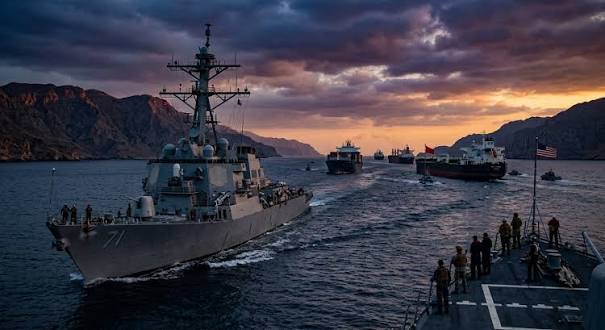
US Navy Redirects 12 Ships, Disables One Near Hormuz Since Blockade's Reimposition
The reimposition of the naval blockade near the Strait of Hormuz has once again highlighted the vulnerability of one of the world's most critical maritime trade corridors. According to U.S. Central Command (CENTCOM), 12 commercial vessels have been redirected and one vessel has been disabled since naval operations resumed nine days earlier. The developments underscore the growing impact of geopolitical tensions on international shipping, particularly for energy products, petrochemicals, fertilizers, and industrial chemicals.
For chemical manufacturers, commodity traders, and procurement professionals, disruptions around Hormuz create immediate concerns over freight availability, insurance premiums, transit times, and supply chain reliability.
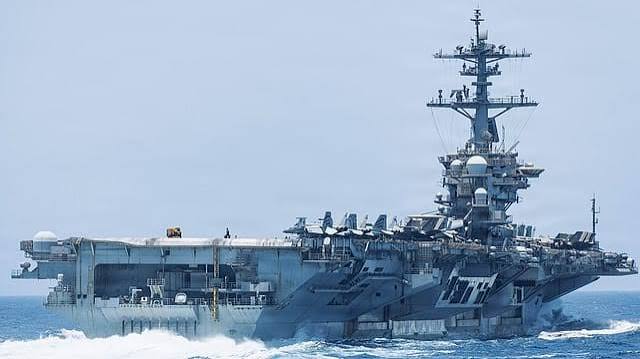
Why the Strait of Hormuz Matters
The Strait of Hormuz is one of the world's most strategically important shipping lanes, connecting Gulf producers with global markets.
Key commodities moving through the region include:
Crude Oil

Crude Palm Oil
Liquefied Natural Gas (LNG)
Petrochemicals
Methanol
Ammonia
Urea
Sulfur
Base Chemicals
Any disruption to vessel traffic can quickly affect global commodity prices, freight markets, and industrial supply chains.
Market Implications
The renewed blockade may contribute to:
Longer shipping routes and delivery delays
Higher freight and marine insurance costs
Increased volatility in energy and chemical markets
Supply chain disruptions for Gulf exports
Greater pressure on global fertilizer and petrochemical trade
Increased demand for alternative shipping routes
Importers relying on Gulf-origin chemicals may face higher landed costs and longer procurement lead times if disruptions continue.
Procurement Considerations
Procurement professionals should:
Monitor developments around the Strait of Hormuz
Diversify sourcing beyond single-region suppliers
Review freight and insurance cost exposure
Increase visibility across shipping routes
Maintain contingency inventory for critical chemicals
Secure flexible logistics arrangements with suppliers
Strong supplier communication and diversified sourcing strategies can help reduce operational risks during periods of geopolitical instability.
Looking Ahead
While naval operations are intended to safeguard maritime security, continued geopolitical tensions in the Gulf region could keep logistics costs elevated throughout the coming months. Energy exporters, petrochemical producers, and fertilizer manufacturers will continue monitoring vessel movements and security conditions closely.
For procurement teams, resilience will depend on proactive supply chain planning, flexible sourcing strategies, and close monitoring of shipping developments in one of the world's busiest maritime corridors.
Key Takeaways
CENTCOM redirected 12 commercial vessels following the renewed Hormuz blockade.
One vessel was disabled during naval operations near the Strait of Hormuz.
Shipping disruptions could increase freight costs and delivery times.
Petrochemical, fertilizer, and energy supply chains remain exposed to regional instability.
Procurement teams should diversify sourcing and strengthen logistics contingency planning.
Found this useful?