USDA's FIELDS Program Rolls Out Amid Renewed Fertilizer Price Volatility
────────────────────────────────────
The United States Department of Agriculture continues to roll out its FIELDS program despite turbulent global markets. This $500 million initiative aims to expand domestic fertilizer production capacity significantly. The goal is to reduce reliance on volatile international supply chains. American farmers face renewed price pressure as global commodity costs swing wildly. The FIELDS program offers a strategic buffer against these external shocks. By boosting local manufacturing, the USDA seeks to stabilize input availability and pricing. Procurement managers and agricultural producers must understand how this federal investment alters the domestic landscape. It represents a long-term shift toward supply chain resilience rather than a short-term market fix.
Objectives of the $500 Million FIELDS Initiative
The FIELDS program focuses on increasing independent domestic production of critical nutrients. It targets nitrogen, phosphate and potash manufacturing facilities across the country. Grants and loans support the construction of new plants and the expansion of existing ones.
This investment addresses structural vulnerabilities exposed by recent geopolitical conflicts. Dependence on imports from restricted regions creates significant risk for American agriculture. The program aims to diversify supply sources within national borders.
By fostering local production, the USDA reduces exposure to maritime logistics disruptions. It also minimizes the impact of foreign export restrictions. This strategic autonomy provides greater stability for domestic farmers. The initiative aligns with broader national security goals regarding food production.
Impact on Domestic Supply Chain Resilience
Increased domestic capacity directly enhances supply chain reliability. Local producers can respond more quickly to regional demand fluctuations. They are not subject to the same logistical delays as overseas suppliers.
Shorter transportation distances reduce freight costs and carbon emissions. This efficiency benefits both producers and end users. Farmers gain access to more consistent inventory levels throughout the growing season.
Reduced lead times: Local production eliminates long ocean transit periods.
Lower freight costs: Shorter hauls decrease transportation expenses significantly.
Improved availability: Domestic plants prioritize local markets during global shortages.
Price stability: Reduced exposure to global volatility helps moderate retail prices.
These factors combine to create a more robust agricultural input network. The FIELDS program strengthens the foundation of American farming operations. It provides a crucial safeguard against future international supply disruptions.
Navigating Global Price Volatility
Global fertilizer prices remain highly unpredictable due to geopolitical tensions. Export restrictions from major producing nations continue to distort markets. Energy price fluctuations further complicate production economics worldwide.
The FIELDS program offers a hedge against these external forces. While it cannot completely insulate the US market from global trends, it mitigates their severity. Increased local supply competes with imported products, putting downward pressure on prices.
This competition benefits farmers who struggle with tight operating margins. Stable input costs allow for better financial planning and risk management. The program serves as a counterbalance to the extreme volatility seen in international trade.
Strategic Opportunities for Domestic Producers
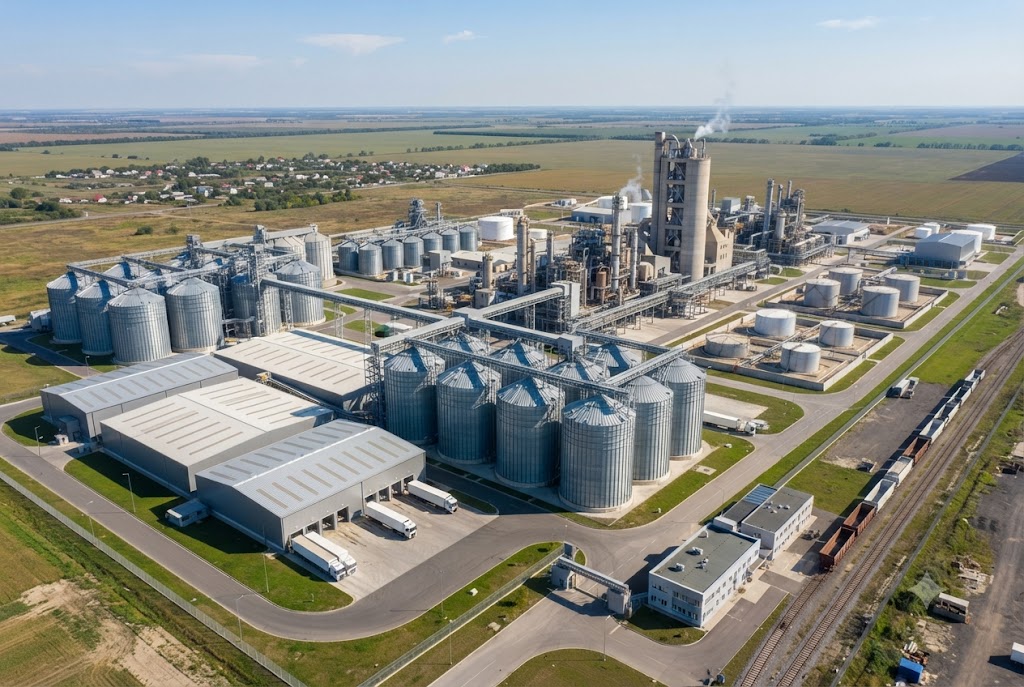
American fertilizer manufacturers stand to benefit significantly from federal support. The FIELDS program provides capital for technology upgrades and capacity expansion. This investment enables them to compete more effectively with global giants.
Producers should leverage this funding to improve operational efficiency. Adopting advanced manufacturing technologies reduces energy consumption and costs. These improvements enhance long-term competitiveness in the domestic market.
Collaboration with agricultural stakeholders ensures that production meets specific regional needs. Customized nutrient blends and specialized formulations add value for local farmers. Building strong partnerships strengthens the entire domestic supply ecosystem.
Implications for Agricultural Procurement Teams
Farmers and procurement professionals must adjust their sourcing strategies accordingly. Prioritizing domestic suppliers supports the growth of local capacity. It also reduces exposure to international logistical risks.
Engaging with FIELDS-funded projects provides early access to new supply sources. Establishing relationships with emerging producers secures future inventory allocations. This proactive approach builds resilience into farm operations.
Monitoring program developments helps identify new opportunities. Staying informed about plant locations and production timelines allows for better planning. Integrating domestic options into procurement portfolios diversifies supply risk effectively.
Long-Term Market Structural Changes
The FIELDS program signals a lasting shift in US fertilizer policy. Government support for domestic production is likely to continue beyond initial funding. This commitment encourages private sector investment in the sector.
Over time, increased local capacity will alter global trade dynamics. The US may transition from a net importer to a more self-sufficient producer. This shift reduces its influence on global price benchmarks but enhances internal stability.
Farmers can expect a more predictable supply environment in coming years. While global volatility will persist, its impact on domestic markets will diminish. The FIELDS program lays the groundwork for a more resilient agricultural future.
What Buyers Should Do Now
The continued rollout of the FIELDS program presents a strategic opportunity for agricultural buyers. Evaluate domestic suppliers who are benefiting from federal investments. Secure long-term contracts with these producers to lock in stable pricing.
Diversify your supply base to include both traditional and emerging domestic sources. Monitor production timelines to align purchasing with new capacity online dates. Building relationships with local manufacturers ensures priority access during tight markets.
Ready to source Urea (Granular) from verified domestic suppliers? Explore competitive offers on our platform today.
Urea (Granular) - Egypt
Found this useful?