UV Absorbers and Stabilizers: Protecting Plastics from Environmental Degradation
UV Absorbers and Stabilizers: Protecting Plastics from Environmental Degradation
Market Overview And Why UV Protection Matters
UV stabilizers, which are added to polymers, plastics, coatings, and other materials, act as shield against sun's harmful rays, preventing degradation, fading, and cracking, thereby extending lifespan and enhancing performance of these materials. That function critical as global polymers industry surpassed 413.8 million tons production, with plastics reaching 430.9 million tonnes in 2024, rising 4.1% year on year.
Global UV stabilizer for plastics market size valued at 1.82 billion dollars in 2025, market projected to grow from 1.93 billion in 2026 to 2.89 billion by 2034, exhibiting CAGR of 5.8% during forecast period. According to MarketsandMarkets, UV stabilizers market size valued at 2.86 billion in 2026 and projected to reach 3.99 billion by 2031 at CAGR of 6.91% between 2026 and 2031. By type, UV absorber was second-largest type in UV stabilizers market in 2025.
Global UV absorbers market size estimated to be valued at 1.2 billion in 2026 and expected to reach 2.1 billion by 2033, exhibiting CAGR of 8.5% from 2026 to 2033. Market driven by rising demand for materials that resist ultraviolet degradation across plastics, coatings, cosmetics, and packaging. Hydroxyphenyl benzotriazoles lead UV absorbers market with 42% share, reflecting dominance of benzotriazole chemistry.
Asia-Pacific UV stabilizers market size in 2026 at 1.8 billion dollars, CAGR 2026-2036 at 6.7%. UV stabilizers comprise organic molecules predominantly hindered amine light stabilizers and benzotriazole derivatives that interrupt photo-oxidative degradation pathways in polymers by scavenging free radicals or absorbing ultraviolet radiation in 290-400 nm range.
Europe UV stabilizers market size in 2026 at 378.5 million dollars, CAGR 5.4% 2026-2036, with UV stabilizers comprising organic molecules principally hindered amine light stabilizers, benzotriazole derivatives, and hydroxyphenyl triazine UV absorbers that interrupt photodegradation pathways.
Polymer materials photostabilizers market size 2026 at 1.72 billion dollars, base year estimate, forecast year 2034 at 2.17 billion, projected valuation CAGR 2.5% 2026-2034. Primary types UV absorbers, hindered amine light stabilizers HALS.
Types Of UV Protection – HALS, UV Absorbers, Quenchers
UV stabilizers market by type includes HALS, UV absorbers, and quenchers, application personal care, cosmetics and sunscreens, automotive, packaging, agriculture, building and construction, adhesives and sealants.
UV stabilizers comprise organic molecules predominantly hindered amine light stabilizers, benzotriazoles, and triazines that absorb or neutralize ultraviolet radiation to prevent photodegradation in polymers and coatings, with typical loading concentrations of 0.1-1.0% by weight.
Hindered Amine Light Stabilizers HALS
HALS act as radical scavengers, interrupting photo-oxidative degradation chain reactions by trapping free radicals generated by UV exposure. They do not absorb UV directly but prevent propagation of degradation, extending polymer lifetime significantly. HALS particularly effective in polyolefins like polyethylene and polypropylene, which dominate global polymers market with polyethylene highest revenue share growing at 7.4% CAGR.
HALS used in automotive, packaging, agriculture films, building and construction, where long-term outdoor exposure critical. Typical loading 0.1-0.5% by weight, cost-effective due to low dosage.
UV Absorbers – Benzotriazoles, Benzophenones, Triazines
UV absorbers absorb ultraviolet radiation in 290-400 nm range, converting it to harmless heat, preventing UV from initiating degradation. Hydroxyphenyl benzotriazoles lead market with 42% share, followed by benzophenones and hydroxyphenyl triazines.
Global UV absorber additive market entering phase of sustained expansion, demand projected to climb at CAGR of 5-7% from 2026 to 2035, with increasing adoption in automotive coatings and plastics. Plastics dominates segment with 48.9% of global revenue for UV absorber 8080, which plays critical role protecting plastics, coatings, adhesives, and various polymers from degradation.
UV absorber 8080 market valued at 950.45 million in 2025 and projected to reach 1,650.75 million by 2033, growing at CAGR 7.14% from 2026 to 2033, showing strong growth for specific high-performance grades.
Quenchers And Antioxidant Synergies
Quenchers deactivate excited states of chromophores, while antioxidants prevent thermo-oxidative degradation that often accompanies photo-oxidation. Market expansion supported by advancements in UV absorbers, HALS, and antioxidant technologies, along with development of high-performance stabilization systems for plastics, coatings, films, and agricultural applications.
Applications And Environmental Degradation Challenges
UV stabilizers added to polymers, plastics, coatings, and other materials act as shield against sun's harmful rays, preventing degradation, fading, cracking, extending lifespan and enhancing performance.
Plastics And Packaging
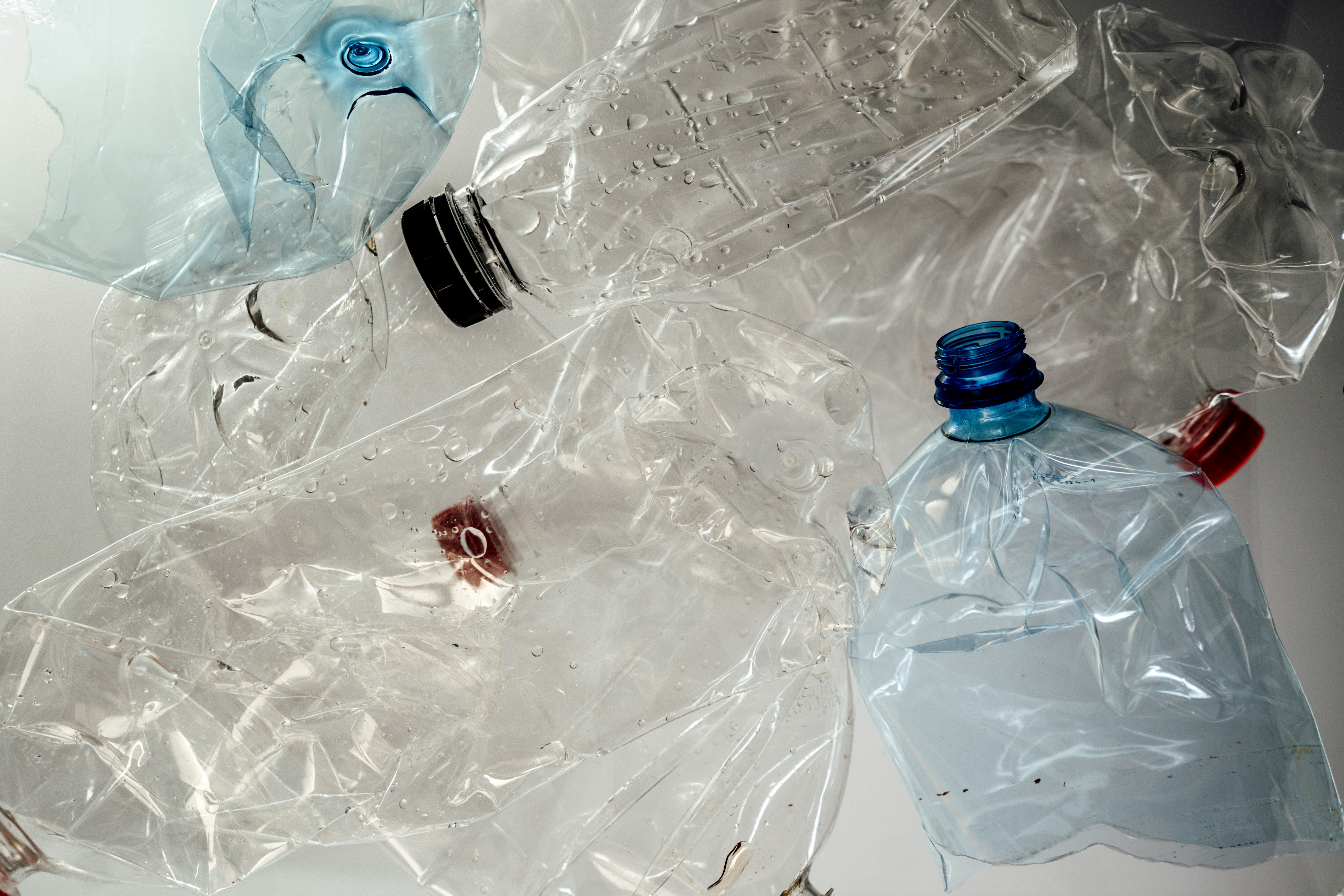
Global plastics production 413.8 million tonnes 2023, reaching 430.9 million tonnes 2024. Packaging represents largest polymer consumption, with e-commerce delivery logistics scaling massively. Without UV stabilization, polyethylene films, polypropylene containers, and PET bottles would degrade rapidly outdoors, losing mechanical strength and discoloring.
Architectural and industrial coatings absorbed nearly half of global solvent output in 2025, and regulatory ceilings on VOC content accelerating reformulation toward high-performance stabilization systems.
Automotive And Building Construction
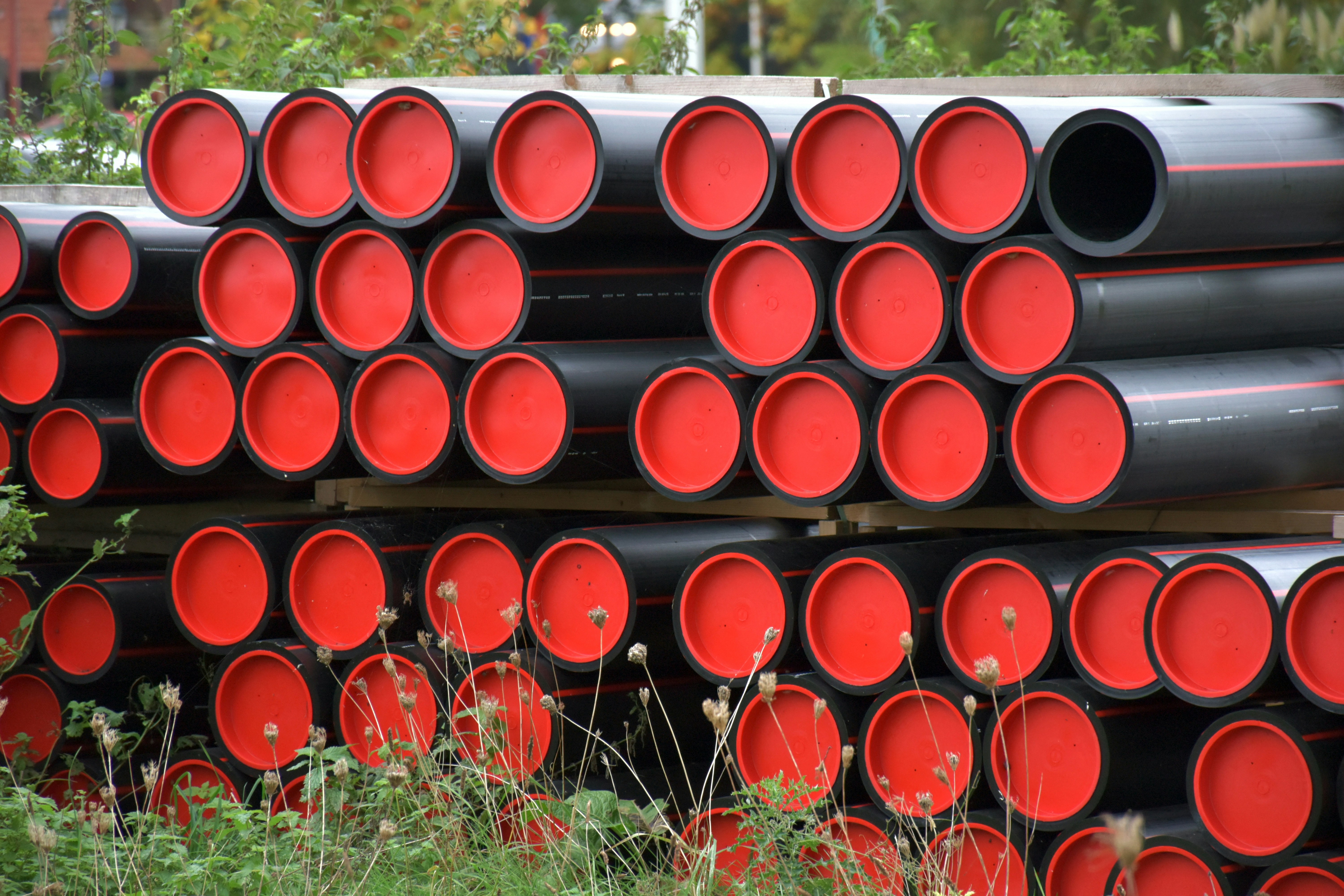
Automotive coatings and plastics increasing adoption of UV absorbers, with typical loading 0.1-1.0% by weight, protecting dashboards, bumpers, and exterior trim from fading and cracking. Building and construction applications include roofing membranes, window profiles, pipes, and siding, where 20+ year outdoor durability required.
Agriculture And Food-Contact Films
Agriculture films require UV stabilization to withstand 1-3 seasons of intense sun exposure. Without stabilizers, films would become brittle within months. That application uses combination of UV absorbers and HALS for synergistic protection.
For food-grade minerals, similar protection concept applies: calcium carbonate GCC used in concrete admixtures demonstrated up to 20% reduction in carbon footprint, and zinc sulfate monohydrate used in fortified rice kernels requires protection from oxidation, with quadruple fortified salt retaining over 90% micronutrients after six months using HPMC and soy stearin coatings, analogous to UV protection for polymers.
Market Drivers And Competitive Landscape
Top 10 companies in UV stabilizer for plastics market 2026 include BASF SE Germany as leader, leveraging extensive research network and integrated supply chain. Other key players include Dow, Evonik, Clariant, Solvay, and specialty additive producers, similar to specialty chemicals market where top 5 players hold 17.8% share.
Market expansion supported by advancements in UV absorbers, HALS, and antioxidant technologies, along with development of high-performance stabilization systems. Increasing awareness of environmental concerns driving demand for longer-lasting plastics, reducing waste from premature degradation.
Asia-Pacific UV light stabilizers market size 2026 at 487.6 million dollars, CAGR 6.8% 2026-2036, reflecting region's dominance in polymer consumption 44% revenue share. Europe 378.5 million, slower growth 5.4% due to regulatory complexity and high energy costs.
According to latest IndexBox report, global UV absorber additive market enters 2026 with broader demand fundamentals, more disciplined procurement behavior, and more regionally diversified supply architecture, with demand projected to climb at 5-7% CAGR 2026-2035.
Future Trends And Buyer Strategies
Market will experience accelerated adoption of sustainable technologies, with notable shift toward bio-based and circular chemicals. For UV stabilizers, trend toward low-toxicity, high-molecular-weight grades that reduce migration and blooming, and toward bio-based feedstocks.
Non-ionic surfactants expected to lead with 45% share, driven by mildness, but for UV stabilizers, hydroxyphenyl benzotriazoles lead 42% share due to effectiveness and compatibility.
Practical strategies include tracking polymer production trends as demand indicator, monitoring regulatory changes on VOC and migration limits that drive shift toward high-molecular-weight HALS and triazine absorbers, and building tiered budgets with base, pressure, and disruption cases. Require landed-cost comparison not ex-works only, as freight costs 231% higher year-on-year affect delivered additive costs.
Focus on four decision signals input trend, lead-time movement, supplier capacity discipline, compliance friction. For UV stabilizers, additional signal is sustainability certification demand, with low-carbon regionally sourced ingredients commanding premium.
Ultimately, UV absorbers and stabilizers market shows growth from 1.93B 2026 to 2.89B 2034 at 5.8% CAGR, and 2.86B 2026 to 3.99B 2031 at 6.91% CAGR, with UV absorbers 1.2B 2026 to 2.1B 2033 at 8.5% CAGR, driven by need to protect 413.8M tons polymer production from environmental degradation, using HALS radical scavengers and benzotriazole UV absorbers at 0.1-1.0% loading, with plastics dominating 48.9% revenue share and automotive, packaging, agriculture, building and construction as key applications.
Sources:
Top 10 Companies in UV Stabilizer for Plastics Market 2026 – Global UV stabilizer for plastics market 1.82B 2025 to 1.93B 2026 to 2.89B 2034 CAGR 5.8% – https://chemicalresearchinsight.com
UV Stabilizers Market worth 3.99B by 2031 – MarketsandMarkets – market size 2.86B 2026 to 3.99B 2031 CAGR 6.91% – UV absorber second-largest type – https://prnewswire.com
UV Absorbers Market Size and Forecast 2026-2033 – Coherent Market Insights – global UV absorbers 1.2B 2026 to 2.1B 2033 CAGR 8.5% – driven by demand for materials resist UV degradation – hydroxyphenyl benzotriazoles 42% share – https://coherentmarketinsights.com
Betaine Anhydrous
Found this useful?