Veolia Wins €1bn Barcelona Drinking Water Contract for 25 Years
A €1 billion, 25-year drinking water contract is set to reshape water infrastructure management across eight municipalities in the Barcelona metropolitan area. Veolia has been selected to manage essential drinking water services serving more than 230,000 residents, with the programme combining network monitoring, digital operations, modern metering and lower-emission transport.
For chemical traders, procurement managers and industrial suppliers, the project provides a wider signal than the value of a single municipal contract. Water infrastructure programmes increasingly connect treatment performance, network efficiency, digital monitoring and environmental objectives, creating demand across multiple parts of the supply chain.
A Long-Term Investment in Barcelona Water Infrastructure
The 25-year duration gives the project an unusually long operating horizon. Instead of focusing only on immediate infrastructure upgrades, the programme creates a framework for continued investment in water service reliability and operational efficiency.
Veolia will manage the service across eight municipalities in the Barcelona metropolitan area. The contract represents a significant expansion of long-term water management activity in a region where pressure on water resources has increased the importance of resilience and efficient distribution.
The scale of the programme also matters for suppliers. Long-duration municipal water contracts can require recurring procurement of treatment inputs, maintenance materials, monitoring equipment and infrastructure components rather than one-time purchasing.
For chemical suppliers, this can create opportunities to establish relationships around consistent specifications, reliable delivery schedules and long-term supply planning.
Leak Detection Becomes a Core Procurement Priority
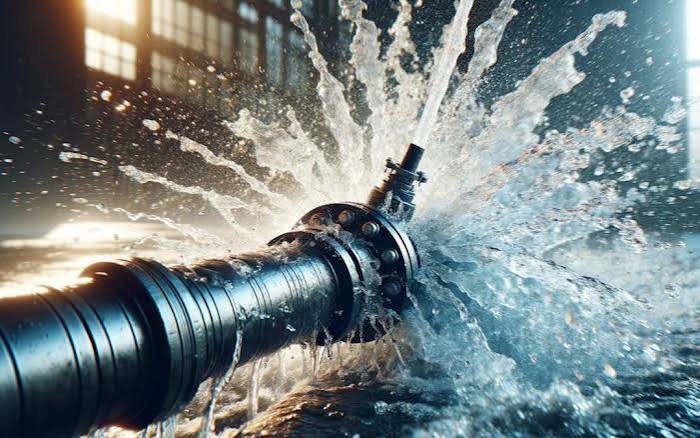
One of the major components of the Barcelona programme involves deploying a new sensor system to detect leaks across the water network. Leak detection helps operators identify losses earlier and direct maintenance resources toward areas that require attention.
Water losses create both operational and economic pressure. When treated water disappears from a distribution network before reaching users, utilities have already spent resources on abstraction, treatment and transportation without receiving the full benefit of that investment.
This makes network efficiency an important part of water security. Veolia has identified leak repair, pressure management and infrastructure upgrades as key approaches to improving drinking water network performance.
The Barcelona project therefore illustrates how digital monitoring can work alongside physical infrastructure. Sensors can help identify potential problems, while maintenance teams can respond through targeted intervention.
For procurement teams, this approach may shift purchasing priorities toward equipment and materials that support continuous network monitoring and maintenance rather than relying primarily on reactive repairs.
Smart Meters Will Strengthen Water Management
The project also includes modernization of the meter stock and installation of remote meter reading equipment. These systems can provide utilities with more frequent information about consumption and network performance.
Smart metering connects the customer side of water management with wider network operations. More timely consumption information can help operators understand demand patterns, identify unusual usage and support more efficient service management.
For water utilities, this creates a larger role for connected infrastructure. Meters are no longer simply devices used to record consumption. They can become part of a broader digital system that connects field equipment with operational centres.
This development also has implications for suppliers working across water infrastructure. Procurement may increasingly involve equipment capable of integration with digital monitoring platforms, remote communications systems and data-driven operating models.
Digital Operations Will Connect the Water Network
Veolia plans to introduce new digitized operations centres as part of the contract. These centres will support the management of the water network and complement the physical sensor and metering infrastructure deployed in the field.
The combination of sensors, remote meters and digital operating systems reflects a broader transformation in utility management. Operators can use connected infrastructure to collect information from different parts of the network and make operational decisions using more current data.
For procurement professionals, digitalization changes the requirements placed on infrastructure projects. Equipment must increasingly work as part of an integrated system rather than operate as an isolated component.
This can influence supplier selection in several areas:
Monitoring equipment: Sensors and connected devices must support reliable network surveillance and data collection.
Metering systems: Remote reading equipment needs to provide accurate and dependable consumption information.
Operational technology: Digital centres require systems that can process and organize information from distributed infrastructure.
Maintenance support: Network operators need dependable components and services to keep connected infrastructure working over long contract periods.
The project therefore links traditional water infrastructure with digital procurement requirements.
Fleet Electrification Adds Another Sustainability Layer
The Barcelona contract also includes electrification of the vehicle fleet. This measure extends the programme’s environmental focus beyond the water network itself.
Water service operations require field teams to travel across extensive networks for inspections, maintenance and repairs. Moving those vehicles toward electric power can reduce direct vehicle emissions while supporting broader environmental objectives.
For procurement teams, fleet electrification introduces another category of purchasing alongside water treatment and infrastructure requirements. Vehicle charging equipment, electrical systems, maintenance services and associated infrastructure can become part of the wider operational supply chain.
The combination of water efficiency, digital monitoring and fleet electrification shows how municipal water contracts are evolving into integrated infrastructure programmes.
What the Project Means for Water Treatment Suppliers
Although the headline features focus heavily on network technology, drinking water operations also depend on treatment processes and consistent supply inputs. Water utilities require carefully managed treatment systems to maintain water quality throughout the service cycle.
Chemical suppliers can therefore view major water infrastructure programmes through several procurement categories.
Water treatment chemicals remain important where treatment processes require products for disinfection, pH control, oxidation or other operational functions. Product specifications, purity, packaging and delivery reliability can all influence procurement decisions.
Infrastructure maintenance represents another potential supply area. Pumps, valves, pipes, fittings and related components require ongoing inspection and replacement during long operating periods.
Digital infrastructure creates a separate procurement layer. Sensors, meters, communication systems and control equipment can support more efficient management of the network.
The exact purchasing requirements will depend on the specifications established by the utility and the operating arrangements under the contract. However, the Barcelona programme demonstrates how modern water management can combine these categories within one long-term service framework.
Water Security Is Driving More Efficient Networks
The Barcelona project comes as water security becomes an increasingly important consideration for municipal infrastructure planning. Veolia’s own water management activities emphasize reducing water losses through leak repairs, pressure management and network upgrades.
Reducing losses can also lower the resources required to abstract, treat and transport water. More efficient networks can therefore contribute to both operational performance and resource conservation.
Smart meters and leak sensors are particularly relevant because they provide operators with information that traditional infrastructure alone cannot deliver. Continuous monitoring can help utilities identify abnormal conditions earlier and respond before problems become larger disruptions.
For procurement managers, this trend means infrastructure decisions increasingly need to consider lifecycle performance. A lower upfront purchase price may not provide the same operational value as equipment that supports monitoring, maintenance and long-term efficiency.
Long-Term Contracts Change Supplier Planning
A 25-year contract creates a different procurement environment from a short-term infrastructure project. Suppliers supporting the programme may need to consider not only initial delivery requirements but also replacement cycles, technical support and long-term availability.
For chemical traders and distributors, consistency becomes especially important. Water treatment operations cannot easily absorb unexpected supply interruptions, so dependable logistics and inventory planning can become major competitive factors.
Procurement teams may also place greater emphasis on:
Product consistency and specification control
Reliable regional or international logistics
Packaging suited to municipal water operations
Technical documentation and compliance support
Long-term supply continuity
Ability to respond to changing operational requirements
These factors can influence supplier relationships throughout the life of a major water management contract.
Barcelona Signals a Broader Shift in Utility Procurement
The Barcelona agreement reflects a wider movement toward integrated utility management. Instead of treating water distribution, metering, digital systems and environmental improvements as separate projects, municipalities can combine them within longer-term service arrangements.
Veolia’s wider water activities show the growing role of technologies such as acoustic leak detection, smart meters and digital monitoring in network efficiency programmes.
For chemical and industrial suppliers, this means infrastructure investment can create demand well beyond construction materials. Water treatment chemicals, maintenance products, monitoring equipment and related industrial inputs can all become part of a connected procurement ecosystem.
The strongest opportunities will depend on project specifications and purchasing arrangements, but the direction is clear. Water infrastructure is becoming increasingly data-driven, resource-efficient and integrated with wider environmental objectives.
What Buyers Should Do Now
Procurement teams supplying municipal water projects should prepare for requirements that extend across treatment, infrastructure, monitoring and sustainability.
Buyers can focus on several practical priorities:
Map recurring demand: Identify which products and services may require repeated supply throughout a long operating period.
Protect supply continuity: Build logistics plans that reduce the risk of interruptions for critical treatment inputs and maintenance materials.
Review technical specifications: Confirm that products meet the quality and operational requirements established for drinking water applications.
Support digital infrastructure: Consider how conventional equipment and materials can work alongside sensors, smart meters and connected operating systems.
Evaluate lifecycle requirements: Consider replacement, maintenance and technical support needs rather than focusing only on initial purchasing costs
Sodium Hypochlorite
Found this useful?