Wacker's Siltronic Stake Sale Signals Shifting Semiconductor Materials Ownership
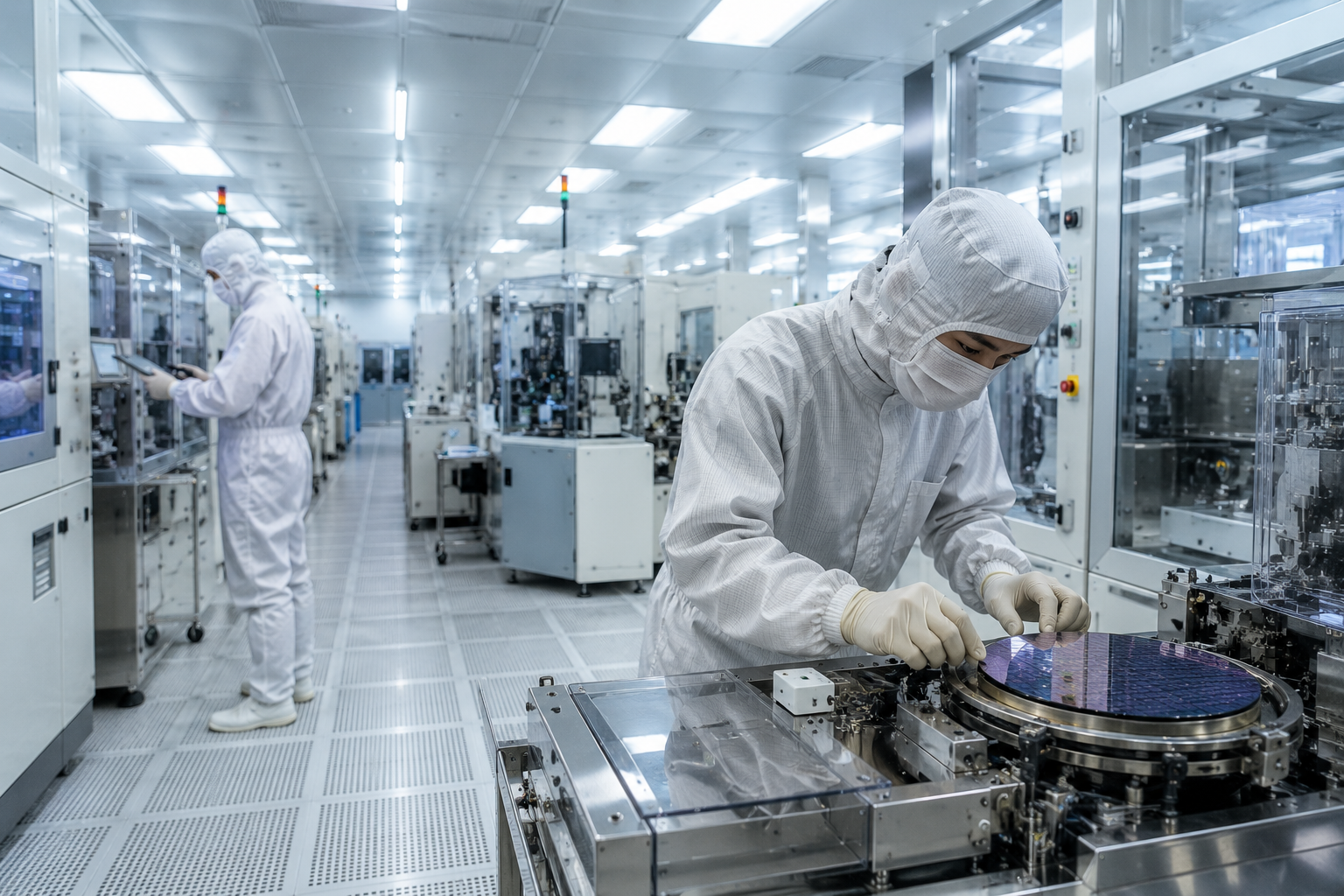
A major specialty chemicals producer just cashed in on a semiconductor materials boom. Wacker Chemie sold 2.1 million shares of Siltronic AG, one of the world's largest hyperpure silicon wafer producers, through an accelerated bookbuilding process completed in late May. The placement reduced Wacker's stake from close to 31 percent to approximately 24 percent.
For buyers tracking ownership structures across the silicon wafer supply chain, this move fits a broader pattern. Semiconductor materials producers with legacy chemical company ownership are gradually loosening those ties as valuations rise.
What the Block Trade Actually Involved
Wacker placed the shares at €89.35 apiece, generating gross proceeds of roughly €188 million. The 2.1 million shares sold represent about 7 percent of Siltronic's total capital stock.
The sale went exclusively to qualified and international institutional investors through a private placement. Wacker remains Siltronic's largest shareholder even after the reduction.
Wacker CEO Christian Hartel described the move as strengthening the company's financial position.
The proceeds are earmarked to create additional scope for future growth investments.
Wacker agreed not to sell further Siltronic shares for 90 days following the placement, subject to limited exemptions.

A Long Pattern of Gradual Divestment
This is not the first time Wacker has trimmed its Siltronic holding. Wacker held a majority stake in Siltronic until 2017, when it reduced its position from 51.8 percent down to 30.8 percent in a similar transaction.
Wacker also came close to exiting the position entirely once before. In 2020 the company attempted to sell its full stake to Taiwan's GlobalWafers in a deal valued at approximately €1.16 billion, but the acquisition ultimately failed to secure the regulatory approvals it needed from German authorities.
The 2017 reduction set the pattern of Wacker retaining a large minority stake rather than full ownership.
The 2020 GlobalWafers attempt showed Wacker's willingness to exit entirely under the right terms.
The May 2026 placement continues the gradual divestment path rather than a full exit.
Why the Timing Makes Sense
Siltronic's share price has climbed significantly this year, driven by strength across the semiconductor industry. A rising valuation gives a shareholder like Wacker a more attractive window to monetize part of its position without giving up control or influence.
A further development added to the shift in Wacker's ownership percentage. In June 2026, Siltronic carried out a capital increase of 3 million shares at €91.00 per share. Wacker did not participate in that raise, which diluted its stake slightly further to 23.83 percent.
What This Signals for Semiconductor Materials Buyers
Silicon wafers sit at the foundation of chip production, and ownership stability at a supplier like Siltronic matters to buyers with long qualification cycles. A gradual stake reduction by a legacy parent company is different from a change of control, but it is still worth watching.
Wacker remaining the largest shareholder suggests continuity in Siltronic's strategic direction for now.
A rising share price and continued institutional interest point to strong underlying demand for wafer supply.
Buyers should distinguish between routine portfolio management and a signal of deeper strategic change.
What Procurement Teams Should Watch Next
Ownership fluidity across semiconductor materials suppliers is becoming more common as legacy chemical parents look to unlock value from stakes built up over decades. Buyers with exposure to Siltronic or comparable wafer suppliers have a few practical points worth tracking.
Monitor whether further Wacker share sales follow once the 90-day restriction period lapses.
Watch how Siltronic's own capital raising activity affects its ownership structure going forward.
Treat gradual stake reductions as a financial management story first, distinct from operational supply risk.
Looking Ahead for Semiconductor Materials Ownership
Wacker's latest move fits a wider trend across the sector, where chemical companies with legacy stakes in semiconductor materials businesses are choosing to monetize gradually rather than hold indefinitely. As valuations in the space remain elevated, more of these partial divestitures are likely across the supply chain.
For buyers, the practical response is straightforward. Keep tracking ownership disclosures from key suppliers and treat gradual stake sales as routine unless a controlling shareholder signals an intent to exit entirely. Ready to source semiconductor materials from verified global suppliers? Explore competitive offers on our platform today.
Titanium Dioxide
Found this useful?