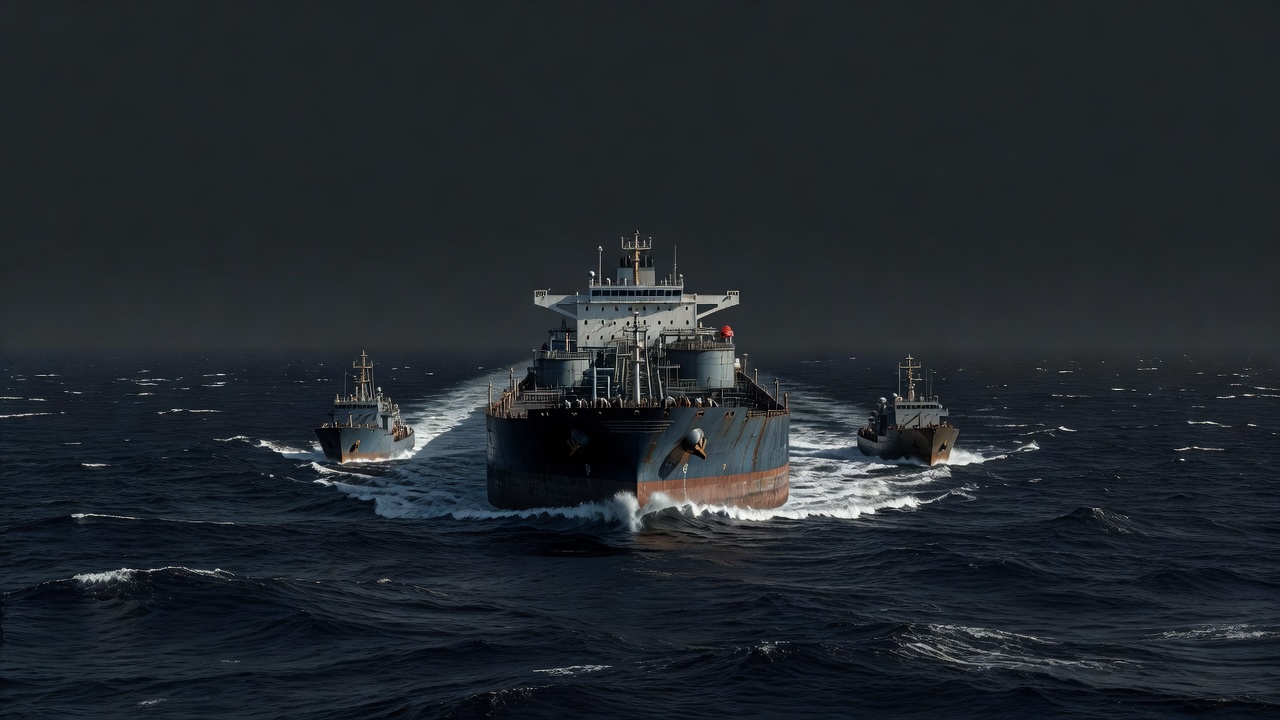
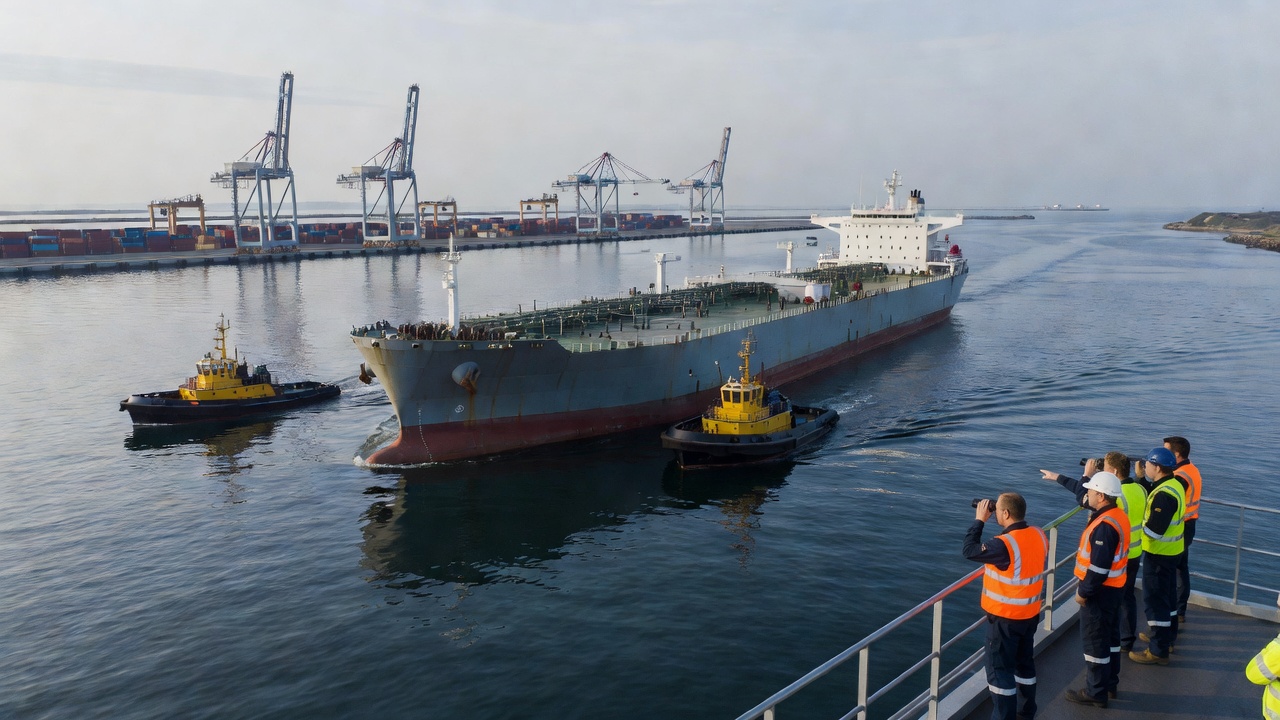
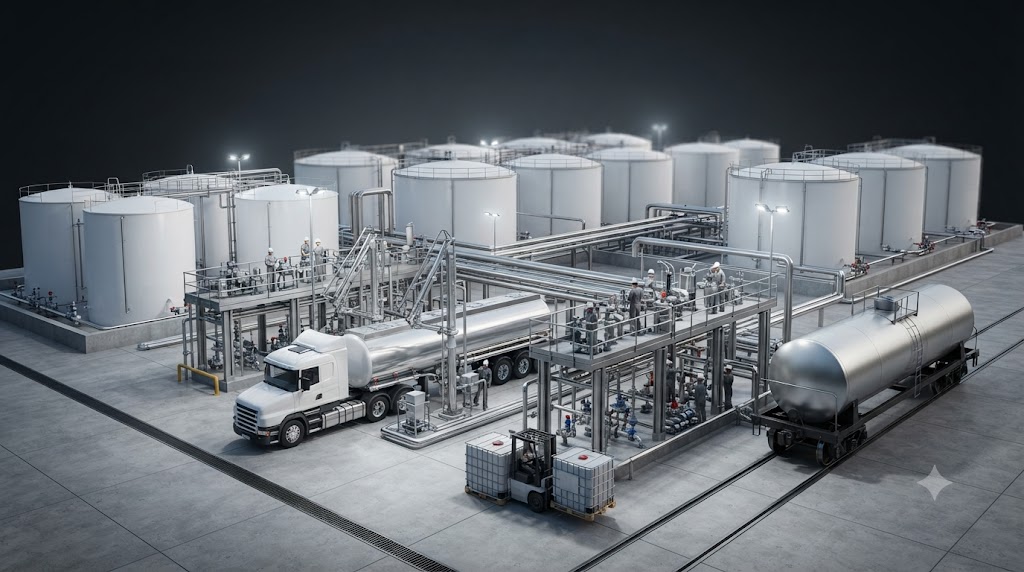
Insurance costs have become an increasingly important component of global chemical logistics. During the earlier Gulf disruption, war-risk insurance premiums increased by approximately 50%, significantly raising shipping expenses for companies moving chemicals, petrochemical feedstocks and industrial raw materials through the region. The sharp increase has renewed discussion across the maritime sector about how insurers assess, price and disclose geopolitical risks.
For procurement professionals, insurance is no longer simply a shipping expense. It has become a strategic factor that can influence supplier selection, landed costs and sourcing decisions across international chemical markets.
What Is War-Risk Insurance?
War-risk insurance provides additional protection for vessels operating in regions exposed to armed conflict, terrorism or heightened geopolitical risk.
The coverage may include:
Damage to ships.
Cargo losses.
Security-related incidents.
Maritime conflict exposure.
Certain operational disruptions.
When geopolitical tensions rise, insurers often reassess the level of risk associated with affected shipping routes.
Why Premiums Can Increase Quickly
War-risk premiums respond rapidly to changing security conditions.
Insurance providers typically evaluate:
Regional conflict levels.
Maritime security incidents.
Vessel exposure.
Shipping route risks.
Intelligence from international authorities.
As perceived risks increase, insurers may adjust premiums to reflect the higher probability of potential losses.
Higher Insurance Costs Affect Chemical Supply Chains
Insurance premiums contribute directly to the total landed cost of imported chemicals.
Higher premiums can influence:
Even modest increases in shipping expenses can become significant for high-volume bulk chemical shipments.
Regulatory Scrutiny Is Increasing
The recent rise in premiums has prompted broader discussion regarding how insurers determine and communicate war-risk pricing.
Areas attracting attention include:
Greater transparency may help businesses better understand the commercial factors influencing insurance costs during periods of geopolitical uncertainty.
Procurement Teams Should Factor Insurance Into Sourcing Decisions
Insurance costs should be evaluated alongside traditional procurement metrics.
Key considerations include:
Total landed cost.
Shipping route exposure.
Supplier location.
Contract terms.
Freight flexibility.
This broader evaluation provides a more accurate picture of procurement costs during periods of market volatility.
Building Supply Chain Resilience Beyond Insurance
Companies can reduce exposure to sudden insurance cost increases through proactive planning.
Effective strategies include:
Diversifying sourcing regions.
Qualifying multiple logistics providers.
Reviewing shipping contracts regularly.
Maintaining appropriate inventory levels.
Monitoring geopolitical developments continuously.
These measures strengthen supply chain resilience even when transportation risks increase.
What Procurement Teams Should Do Now
The earlier 50% increase in war-risk insurance premiums demonstrates how geopolitical events can quickly influence chemical logistics costs. As discussions continue around insurance pricing and risk disclosure, procurement professionals should closely monitor freight markets while incorporating insurance expenses into sourcing and budgeting decisions.
Organizations that combine robust supplier diversification with proactive logistics planning will be better positioned to manage future shipping disruptions while maintaining reliable chemical supply.
Ready to source chemical products from verified global suppliers? Explore competitive offers on our platform today.