Waste Plastic Feedstock Reality Check: Advanced Recycling Scale During Supply Chain Chaos
The 135-day Hormuz supply chain disruption was widely positioned as the ultimate proof moment for scaled chemical recycling deployment. Industry advocates predicted that advanced recycling feedstocks would seamlessly replace disrupted virgin naphtha supplies. Operational data from March to July 2026 reveals a starkly different reality. Actual substitution of pyrolysis oil remained below 2.3 percent of total European cracker feedstock during the peak disruption months of April and May. This gap between theoretical potential and actual contribution highlights critical infrastructure limitations. Procurement managers and sustainability teams must confront these operational constraints directly. The crisis proved that waste plastic feedstock cannot yet serve as a primary shock absorber for global petrochemical supply chains. Companies must recalibrate their circular economy strategies based on current physical realities rather than optimistic projections.
The Capacity Chasm in European Advanced Recycling
The most immediate bottleneck during the crisis was sheer production volume. Total European pyrolysis oil capacity currently sits at approximately 340,000 tonnes per year. This figure represents a microscopic fraction of the regional demand. European crackers require roughly 28 million tonnes of naphtha annually to maintain standard operating rates.
The math simply does not support large-scale substitution during a major supply shock. Even if every advanced recycling facility in Europe operated at maximum theoretical capacity, the output would satisfy barely one percent of regional cracker demand. This structural deficit forced buyers to rely heavily on traditional fossil feedstocks despite severe logistical premiums. The industry lacks the physical infrastructure to pivot rapidly when virgin supply lines fracture.
Quality Specification Challenges at the Cracker Level
Volume constraints were compounded by severe technical limitations at the processing level. Pyrolysis oil possesses different chemical properties compared to standard virgin naphtha. These differences require specific handling and processing adjustments to prevent equipment damage.
Operational reports indicate that 9 out of 14 major European crackers could not process a pyrolysis oil blend exceeding 15 percent without significant unit modifications. Attempting to force higher blend ratios risked catalyst poisoning, fouling and unplanned downtime. The presence of residual halogens and moisture in lower-grade pyrolysis oil poses a severe threat to sensitive cracking catalysts.
Procurement teams discovered that securing alternative feedstock is only half the battle. The receiving facility must possess the technical capability to process the material safely and efficiently. Many assets built decades ago lack the flexibility required for high-percentage recycled content. Retrofitting these units requires substantial capital expenditure and extended shutdown periods that operators cannot afford during a supply crisis.
The Unyielding Waste Plastic Collection Bottleneck
A genuine feedstock crisis did nothing to magically increase the availability of raw materials. The waste plastic collection infrastructure remained completely static during the 135-day disruption. Municipal sorting facilities and private aggregators could not suddenly produce more post-consumer plastic waste.
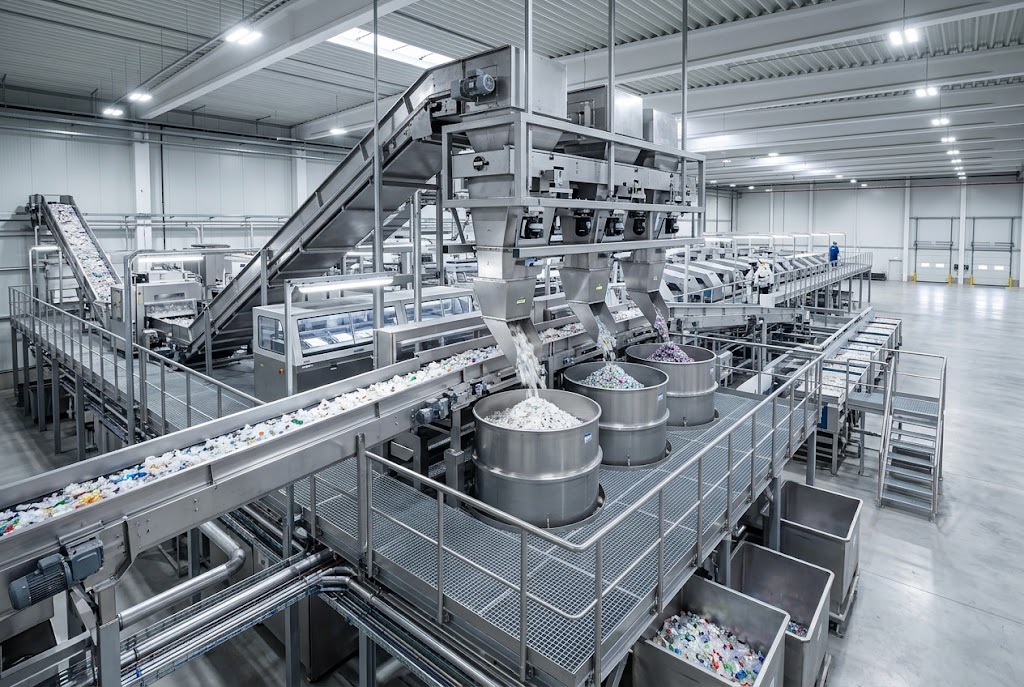
This physical limitation caps the maximum potential output of the entire advanced recycling value chain. Chemical companies cannot process what they cannot source. The crisis highlighted that feedstock security requires investment at the very beginning of the lifecycle.
Furthermore, competing industries such as packaging and automotive manufacturing also scrambled for the same limited waste plastic volumes. This cross-sector competition drove prices higher and strained existing offtake agreements. Chemical producers must recognize that they are competing for a finite resource that is not easily scalable in the short term.
The Financial Reality of Pyrolysis Oil Premiums
The economic dynamics of advanced recycling feedstocks shifted dramatically during the supply shock. Scarcity drove pyrolysis oil prices to unprecedented premiums over standard virgin naphtha. Chemical producers faced a difficult choice between paying exorbitant rates for limited recycled volumes or accepting the logistical penalties of rerouted fossil feedstocks.
Most major crackers opted for the latter due to the sheer volume requirements of their operations. The premium paid for advanced recycling feedstocks during the crisis eroded the traditional sustainability cost advantage. This pricing volatility highlights the immaturity of the current waste plastic market.
Buyers must factor these extreme price fluctuations into their long-term financial models. Relying on advanced recycling as a cost-saving measure during a crisis is currently unrealistic. The market must achieve significant scale before it can offer price stability alongside environmental benefits.
Recalibrating 2030 Circular Feedstock Targets
The Q2 2026 operational data demands a serious reassessment of long-term sustainability goals. Many corporate roadmaps currently target greater than 12 percent recycled content in chemical production by 2030. The Hormuz disruption proved that achieving this target requires aggressive intermediate milestones.
Companies must establish concrete capacity expansion goals for 2027 and 2028. Without these intermediate checkpoints, the 2030 targets risk becoming mere aspirations rather than binding commitments. Stakeholders and regulators will increasingly demand proof of tangible progress backed by actual capital deployment.
Announce binding capital allocation for new pyrolysis facilities by late 2026 to bridge the existing capacity gap. This immediate investment signals serious commitment to stakeholders.
Partner directly with waste management firms to secure long-term feedstock offtake agreements. These contracts guarantee supply visibility and protect against cross-sector competition.
Invest in cracker retrofitting programs to handle higher blend ratios of advanced recycling feedstocks. Upgrading these units is essential for maintaining operational safety and efficiency.
Strategic Sourcing Lessons for Procurement Teams
Chemical traders and importers must adjust their sourcing strategies to reflect these physical realities. Relying on advanced recycling to solve immediate supply chain volatility is currently a flawed strategy. Procurement professionals should view pyrolysis oil as a long-term strategic hedge rather than a short-term crisis solution.
Buyers need to diversify their virgin naphtha sourcing geographically to mitigate single-point failure risks. Simultaneously, they should begin qualifying advanced recycling suppliers now to build relationships before capacity tightens further. Early engagement with waste plastic aggregators will provide a crucial competitive advantage as regulatory mandates tighten across Europe and North America.
Contract structures must also evolve to reflect the unique nature of recycled feedstocks. Buyers should negotiate flexibility clauses that account for the variable quality and limited availability of pyrolysis oil. Standard force majeure terms may not adequately protect parties in a market defined by extreme feedstock scarcity.
What Buyers Should Do Now
The chemical industry must ground its circular economy ambitions in operational reality. The 135-day Hormuz disruption provided a stress test that advanced recycling infrastructure failed to pass at scale. This failure is not a reason to abandon sustainable feedstocks. It is a clear directive to accelerate targeted infrastructure investments.
Procurement and sustainability leaders must collaborate to build resilient, multi-tiered supply chains. Acknowledging current limitations is the first step toward building genuine long-term resilience. The window for strategic capital allocation is narrowing rapidly.
Ready to source High Density Polyethylene (HDPE) from verified global suppliers? Explore competitive offers on our platform today.
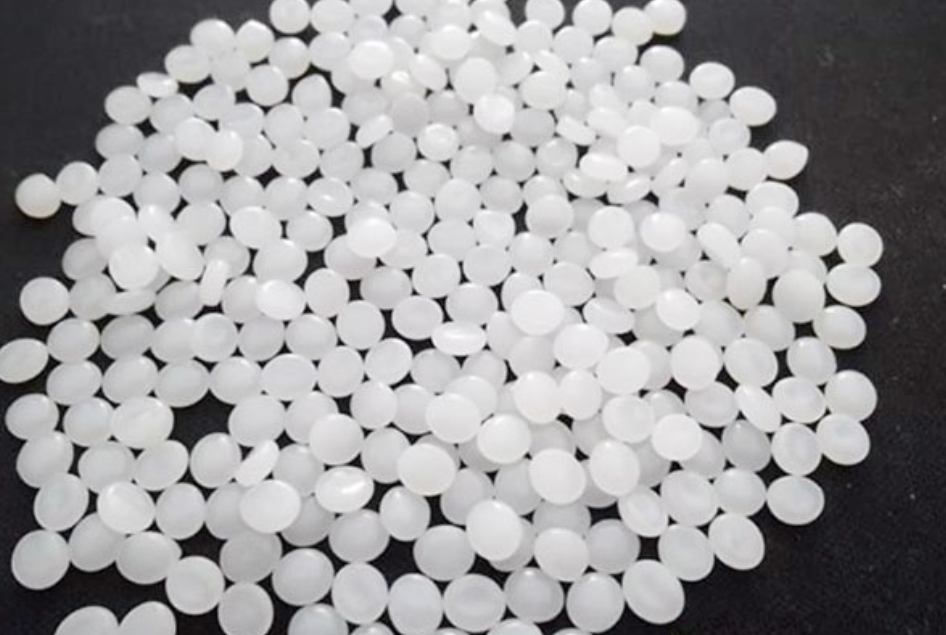
High Density Polyethylene (HDPE)
Found this useful?