Why a Steel Furnace in China Just Became a Testing Ground for Australian Iron Ore
Why a Steel Furnace in China Just Became a Testing Ground for Australian Iron Ore
China’s steel industry is becoming an important testing ground for the future of Australian iron ore. In a major industrial trial, China Baowu and Rio Tinto tested Pilbara Blend iron ore from Western Australia in a hydrogen-based direct reduction process, providing new evidence that mid-grade Australian ore could potentially be used in lower-emissions steelmaking.
The trials, completed at China Baowu’s Baoshan Iron & Steel Zhanjiang Steel Operations, combined pelletisation, hydrogen-based direct reduction and steelmaking. The results are significant because conventional direct reduction processes generally favour higher-grade iron ore.
Australian Iron Ore Enters a New Steelmaking Test
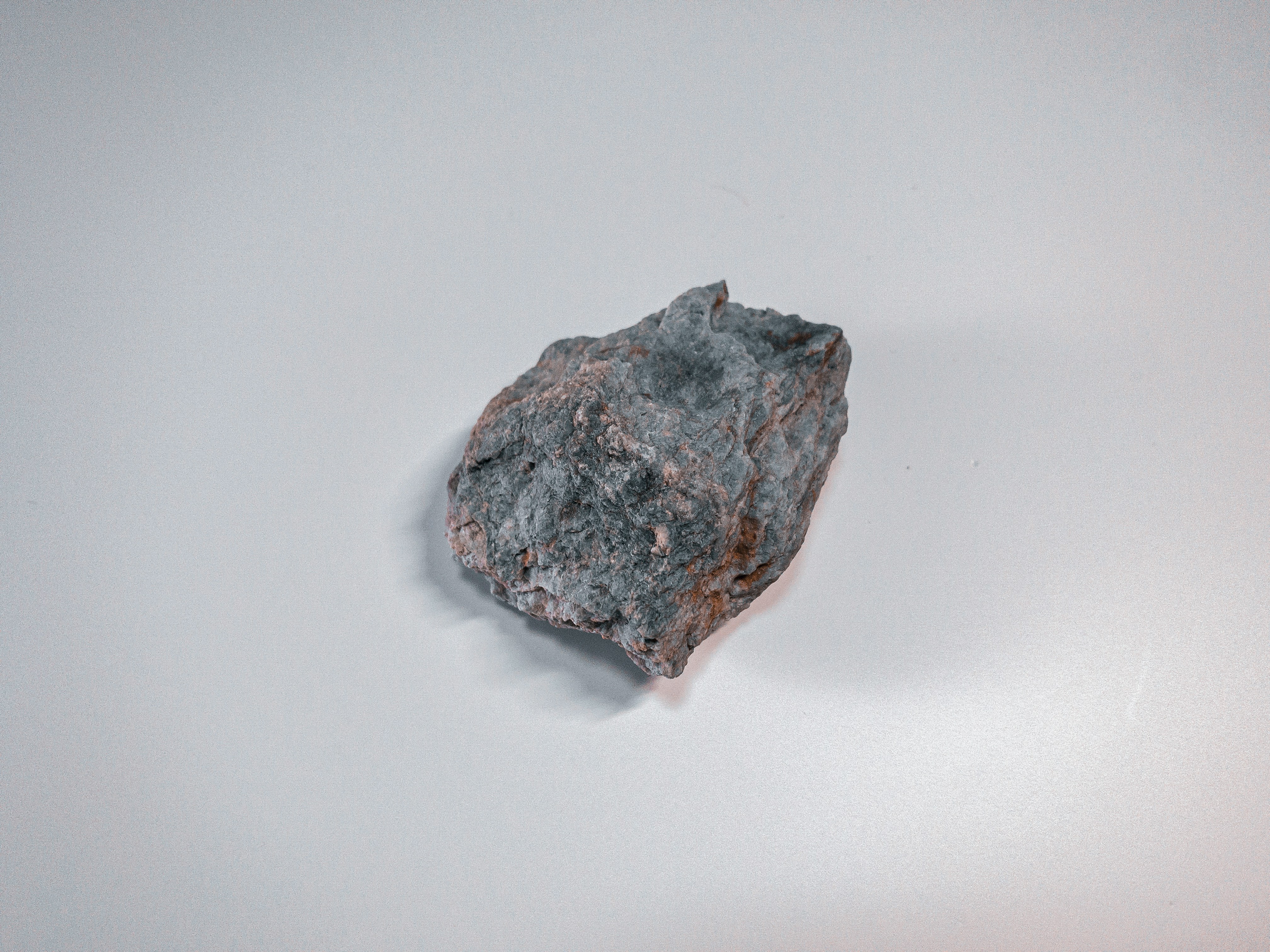
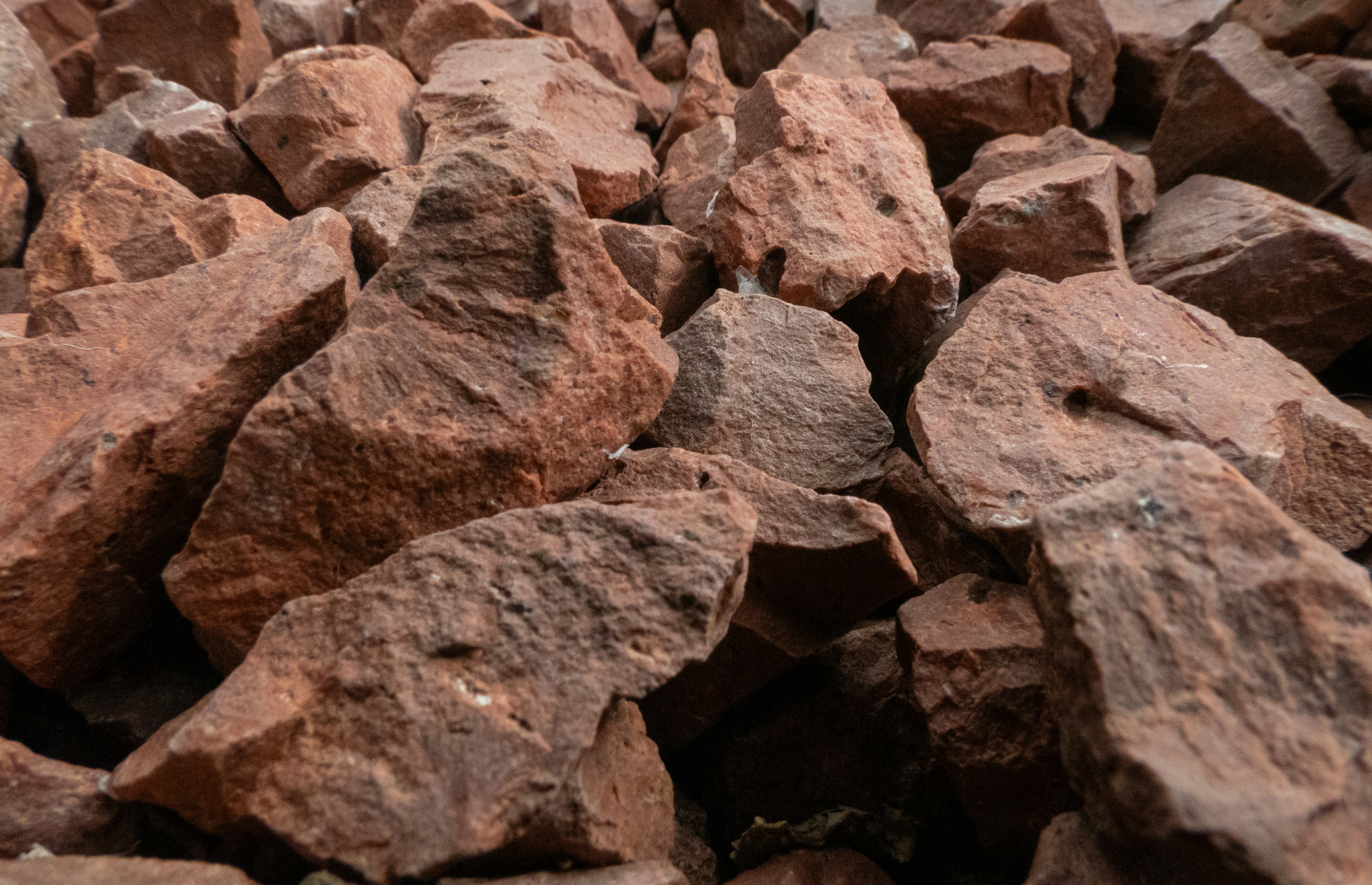
The industrial-scale trials used Pilbara Blend, one of Rio Tinto’s major iron ore products from Western Australia.
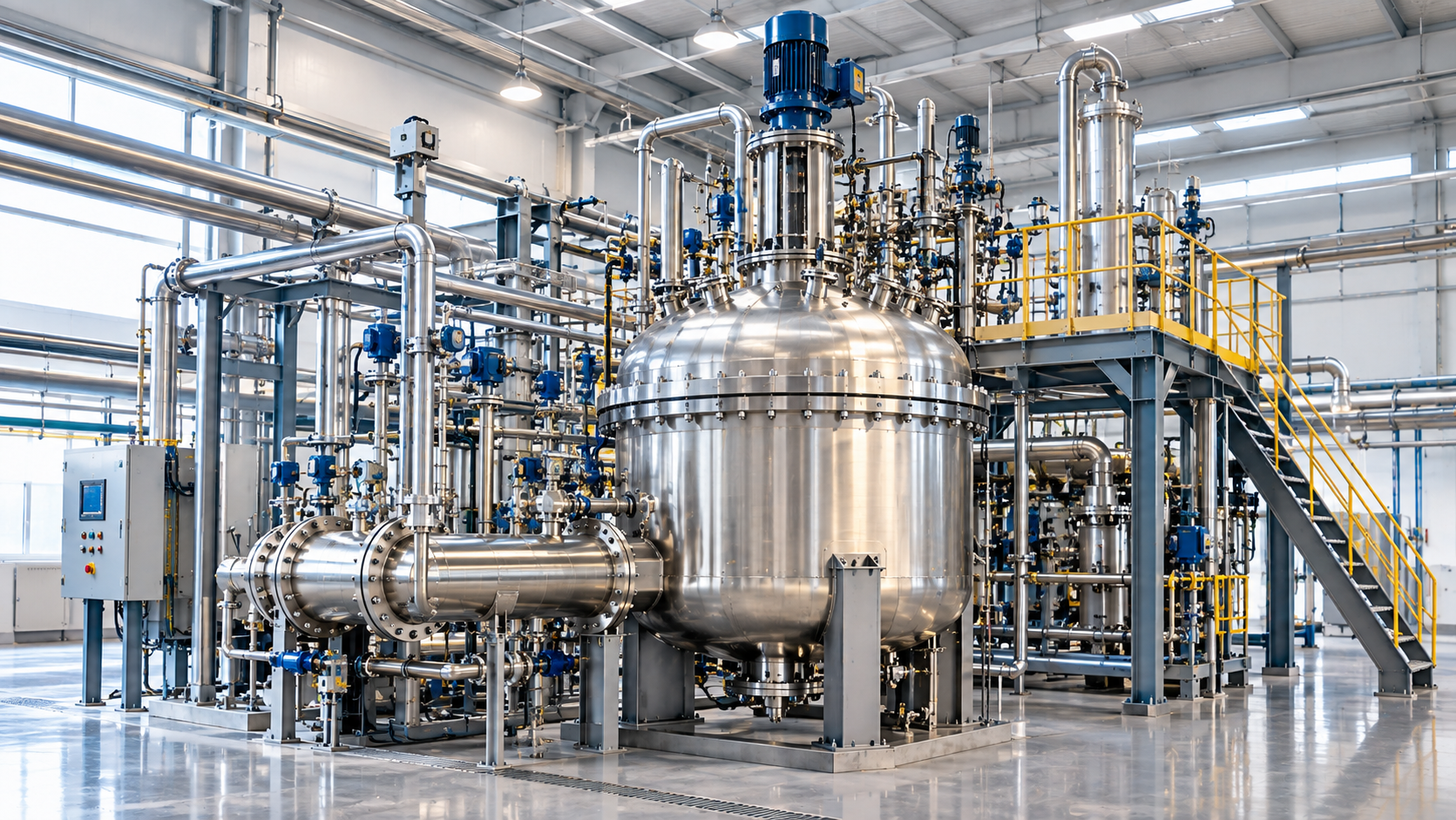
Pellets containing approximately one-third Pilbara Blend ore were processed through a hydrogen-based shaft furnace to produce direct reduced iron (DRI). The DRI was then converted into steel in an industrial-scale basic oxygen furnace and also tested in a 500-kilogram electric smelting furnace.
This is important because the test was not limited to laboratory conditions. It involved existing industrial equipment and demonstrated how Australian ore could move through several stages of a lower-emissions steelmaking route.
Why Pilbara Ore Is Important
Australia is one of the world's major suppliers of iron ore, while China is the world's largest steelmaking market. The two countries therefore have a deeply connected raw-material and steel supply chain.
However, the transition toward lower-carbon steelmaking is creating new requirements for iron ore quality and processing. Traditional blast furnaces rely heavily on coal, while direct reduction can use hydrogen or other reducing gases instead.
Rio Tinto and China Baowu's trial addresses a key question: Can commonly available Pilbara ore be adapted for emerging low-carbon steelmaking technologies?
The companies say the results indicate that typical mid-grade Pilbara ores have potential as feedstock for hydrogen-based direct reduction when combined with suitable processing and electric smelting technologies.
Hydrogen-Based Direct Reduction Changes the Equation
In conventional blast-furnace steelmaking, carbon-based fuels are used to remove oxygen from iron ore.
Direct reduction takes a different approach. Instead of using coal as the primary reducing agent, the process can use hydrogen or natural gas to remove oxygen from iron oxide.
When renewable hydrogen is used, the process has the potential to substantially reduce emissions compared with conventional coal-based ironmaking.
The challenge is that direct reduction has traditionally required relatively high-grade iron ore. CSIRO notes that many existing DRI processes typically require ore with iron content above about 67%, which can exclude significant volumes of Australia's Pilbara ore.
The Baowu–Rio Tinto trials therefore focus on an important technical opportunity: expanding the range of iron ore that can be used in lower-emissions production.
From Iron Ore to DRI and Then Steel
The trial followed several stages:
Pilbara Blend iron ore was used as part of the pellet feed.
The material was processed in a 5 million-tonne-per-year grate-kiln facility.
The resulting pellets were processed in a 1 million-tonne-per-year hydrogen-based shaft furnace.
Direct reduced iron was produced.
The DRI was converted into steel in an industrial-scale basic oxygen furnace.
A portion was also tested in a 500 kg electric smelting furnace.
This sequence allowed the companies to examine more than just the behaviour of the ore in a single processing step.
Why China Is an Important Testing Ground
China is particularly important for this type of industrial development because of the scale of its steel industry and its extensive existing steelmaking infrastructure.
China Baowu is one of the world's leading steel producers and has been working with Rio Tinto on steel decarbonisation technologies for several years.
The companies have collaborated for more than 50 years across areas including project development, technology innovation and steelmaking research. Their more recent decarbonisation partnership began in 2020, with the 2023 memorandum of understanding providing a framework for additional technology projects.
Testing Australian ore within China's industrial steelmaking environment therefore provides an opportunity to evaluate technology using commercially relevant feedstock and equipment.
A Potential Path for Lower-Carbon Australian Iron Ore
The significance of the trial goes beyond one batch of steel.
If technologies can be developed that allow mid-grade Australian iron ore to work effectively in hydrogen-based reduction and electric smelting systems, a larger portion of Australia's existing iron ore resource could potentially participate in the emerging low-carbon steel market.
Australia is already examining technologies that can expand the use of Pilbara ores in lower-emissions ironmaking. CSIRO researchers are testing adaptations to existing DRI technology, while Australia's ZESTY project is also investigating pathways for producing green iron and testing the resulting iron products with different steelmaking routes.
The Bigger Picture for Global Steel
Steel producers worldwide are under increasing pressure to reduce emissions while maintaining reliable access to raw materials.
This is creating a new connection between iron ore quality, hydrogen, electric furnaces and carbon reduction.
Recent industry analysis also points to growing opportunities for cooperation between Australia and China as both countries consider how future clean-iron supply chains could develop. The Mission Possible Partnership says China and Australia already form the world's largest raw-material partnership in steel, while clean iron could become increasingly important as the sector moves toward lower-emissions production.
The Baowu–Rio Tinto trial is therefore part of a much wider transformation in the global steel industry.
What the Trial Could Mean for Rio Tinto
For Rio Tinto, demonstrating that Pilbara Blend can work in a hydrogen-based direct reduction process could help position its Australian iron ore products for future low-carbon steelmaking.
The company has described the trial as an important technical milestone and said the work could help build confidence in the role of Pilbara iron ore in lower-carbon steel production.
However, the trial does not mean that commercial-scale hydrogen-based steelmaking using Pilbara ore is already established. Further testing, process optimisation, economics and infrastructure development will be needed before such pathways can become widely commercial.
A New Chapter for Australia-China Steel Cooperation
The China Baowu and Rio Tinto trials demonstrate how Australia's traditional iron ore export relationship with China could evolve.
Instead of focusing only on supplying raw materials for conventional blast furnaces, future cooperation could increasingly involve joint technology development, lower-carbon ironmaking and new steel production routes.
For Australian miners, the ability to make existing ore resources compatible with emerging technologies could become increasingly important. For Chinese steelmakers, access to large-scale iron ore supply combined with new processing technologies could support the transition toward lower-emissions production.
The latest trial shows that the future of Australian iron ore may not depend only on how much ore can be mined, but also on how effectively that ore can be integrated into the next generation of steelmaking technologies.
Key Facts
Item | Details |
|---|---|
Companies | China Baowu and Rio Tinto |
Australian ore | Pilbara Blend |
Ore origin | Western Australia, Pilbara region |
Trial location | Baoshan Iron & Steel Zhanjiang Steel Operations, China |
Reduction technology | Hydrogen-based shaft furnace |
DRI furnace capacity | 1 Mtpa |
Pellet production facility | 5 Mtpa grate-kiln |
Pilbara Blend share | About one-third of pellet feed |
Steelmaking test | Industrial-scale basic oxygen furnace |
Additional test | 500 kg electric smelting furnace |
Main objective | Lower-emissions steelmaking |
Trial announcement | June 12, 2026 |
The companies said the trials demonstrated the potential for mid-grade Pilbara iron ore to serve as feedstock for hydrogen-based direct reduction and potentially support lower-carbon steelmaking when combined with electric smelting technology.
Sources
Butyl Acetate (99,5%) - Singapore
Found this useful?