WINTEC e-win 1800 Drives High-Volume Automotive Connector Production
The ability to produce 57,600 automotive connector parts per hour highlights how far high-volume plastics manufacturing can push productivity. ENGEL's WINTEC e-win 1800 combines an all-electric injection moulding machine with automation and digital process assistance to target manufacturers producing standard components at large scale.
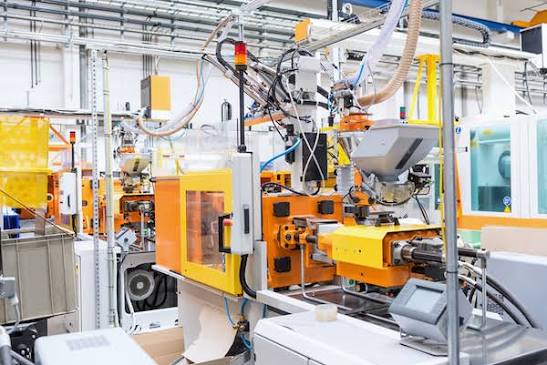
The production cell brings together a 1,800 kN machine, a 128-cavity mould, an automated viper 6 robot and conveyor handling. For automotive component manufacturers, the development demonstrates how equipment configuration, material consistency and process control increasingly work together to determine production economics.
WINTEC e-win 1800 Targets High-Volume Automotive Connectors
ENGEL designed the WINTEC e-win 1800 around the requirements of cost-sensitive series production. The all-electric machine combines a compact design with precise movements and a configuration intended for standardised, high-volume applications.
The automotive connector application uses an injection unit size of 640 and 1,800 kN of clamping force. ENGEL has matched the machine specification to the requirements of the component rather than relying on excess machine capacity.
This approach has direct relevance for procurement managers. Equipment investment, operating costs, floor space and production output all influence the economics of a high-volume manufacturing line.
The integrated cell also combines the injection moulding machine, robot, safety enclosure and conveyor as one production solution. ENGEL states that the complete cell is CE compliant, reducing the need for the operator to conduct a separate conformity assessment of the entire production cell.
128 Cavities Drive 57,600 Parts Per Hour
The production figures demonstrate the importance of mould design in high-volume connector manufacturing. The showcased mould contains 128 cavities and operates with an 8-second cycle, generating 57,600 components per hour.
Each connector measures approximately 10 × 6 mm. Although the component is small, its role in automotive electrical and electronic systems makes consistent production important for manufacturers supplying large vehicle programmes.
A high-cavity mould allows manufacturers to multiply output without relying solely on faster individual machine movements. The result is a production model where tooling efficiency becomes just as important as machine performance.
For buyers evaluating manufacturing capacity, several figures deserve attention:
128 cavities: The mould produces a large number of components during each cycle.
8-second cycle: The short cycle supports continuous high-volume output.
57,600 parts per hour: The demonstrated production rate illustrates the scale possible for small standardised components.
10 × 6 mm component size: The application focuses on compact automotive connector components.
Digital Process Stability Protects Production Economics
High output only creates value when manufacturers can maintain acceptable quality. ENGEL uses its iQ weight control plus system to compensate for process fluctuations and respond when individual mould cavities experience problems.
This capability addresses a major concern for high-volume processors. When a production cell operates at tens of thousands of parts per hour, even a relatively short interruption can affect output and increase the cost associated with downtime.
Digital assistance can also support repeatability when production conditions change. Maintaining stable processing conditions helps manufacturers reduce variation while keeping the machine operating at the intended production rate.
The focus on availability reflects the economics of standard components. Automotive connectors, cable ties and similar products often face strong competition, which means manufacturers need to control production costs while maintaining consistent quality.
Automation Links Injection Moulding With Part Handling
The new viper 6 robot handles sprue removal within the demonstrated production cell. Finished connector components then move onto a conveyor before reaching a collection container, creating a straightforward automated material flow.
For high-volume production, automated handling can help maintain consistent cycle operation. It also reduces the amount of manual intervention required for repetitive tasks such as part removal and transfer.
ENGEL developed the latest viper 6 with redesigned axis profiles and different stroke options. This allows the robot to accommodate production cells with different dimensions while maintaining a compact setup.
The combination of machine and automation therefore becomes important when procurement teams assess the complete investment. Purchasing an injection moulding machine without considering downstream handling can leave additional automation costs outside the initial equipment calculation.
Polymer Selection Matters Alongside Machine Performance
The production cell also highlights the relationship between injection moulding equipment and polymer procurement. Automotive connectors require materials that can meet the dimensional, mechanical and electrical requirements of the finished component while also supporting stable high-speed processing.
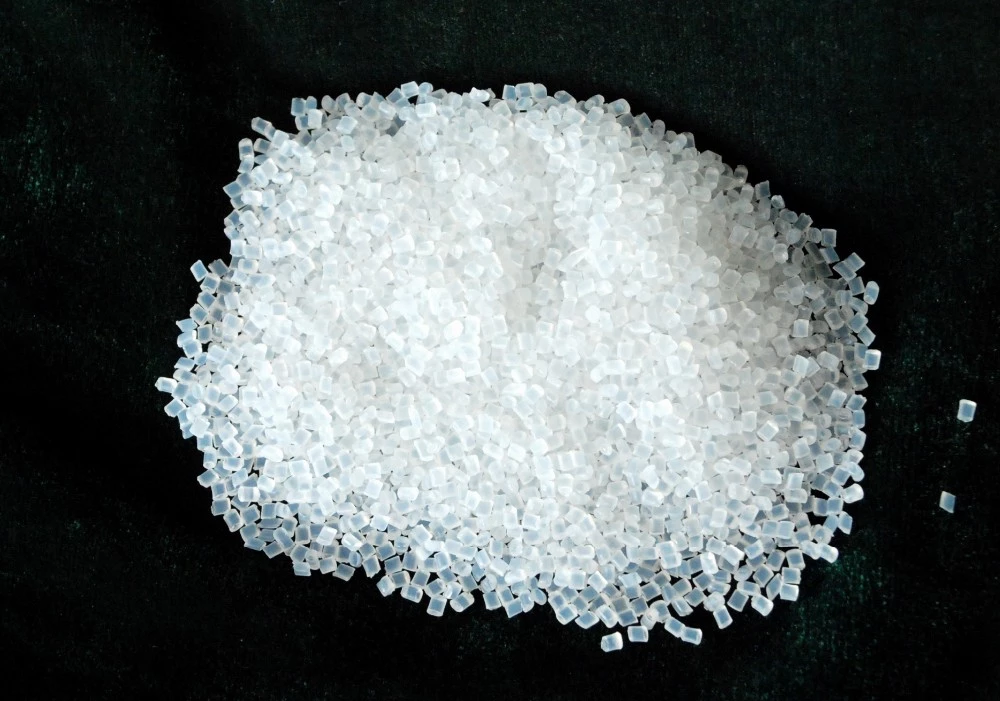
Engineering polymers such as Nylon 6 are widely relevant to demanding injection moulding applications. For processors, the material decision involves more than the quoted price per tonne because grade consistency, processing behaviour, drying requirements and supply continuity can affect production performance.
A procurement team evaluating material suppliers should therefore consider:
Specification consistency: Stable material properties can help maintain repeatable moulding conditions.
Supply continuity: High-volume production requires dependable access to the required polymer grade.
Processing characteristics: Material behaviour can influence cycle stability, filling and finished-part quality.
Technical support: Suppliers that understand processing requirements can help manufacturers manage changes in production conditions.
The machine may determine how efficiently a component can be moulded, but the raw material still plays a central role in whether that production process remains stable.
Why High-Volume Connector Production Faces Cost Pressure
Standard automotive components operate under intense cost pressure. Manufacturers must often produce large quantities while facing competition from producers in lower-cost manufacturing locations. ENGEL specifically identifies low investment costs and high availability as important requirements for this type of application.
That environment changes the way procurement teams should evaluate production equipment. A lower purchase price does not automatically create the lowest cost per finished component.
Instead, buyers can examine the complete cost structure, including:
Machine investment and financing costs
Energy consumption during production
Mould utilisation and cavity count
Cycle time and annual production capacity
Material consumption and scrap
Maintenance requirements
Automation and labour requirements
Downtime and service response
An all-electric platform can also influence operating economics. ENGEL describes the e-win range as an all-electric solution designed around precision, efficiency and stable production, while its digital assistance systems support process control.
Integrated Production Can Simplify Procurement
The WINTEC e-win 1800 demonstration does more than showcase a machine. It presents an integrated manufacturing concept where injection moulding, robotics, safety equipment and conveyor handling operate as one production cell.
This matters for companies seeking to reduce the complexity of equipment procurement. A coordinated cell can simplify integration because the major components are designed to operate together rather than requiring the processor to assemble an automation solution from unrelated suppliers.
The demonstrated production system also includes specialist partners. CWB Technology Germany supplied the mould while Piovan provided material conveying and drying equipment, showing how high-volume connector production depends on multiple elements working together.
For procurement managers, this creates a broader supplier evaluation framework. Machine capability, mould technology, polymer supply, auxiliary equipment and after-sales service all contribute to the performance of the finished production line.
What Automotive Buyers Should Evaluate
The ENGEL application provides a practical reference for manufacturers planning high-volume connector production. Procurement teams can use similar criteria when comparing production solutions for automotive plastics.
First, buyers should establish the required annual output and determine whether the proposed machine and mould combination can meet that volume without excessive utilisation pressure. A production cell should provide enough capacity to support planned demand while maintaining reasonable maintenance and downtime windows.
Second, teams should examine the raw material strategy. The selected polymer needs to meet product specifications while remaining available in sufficient quantities and with consistent quality across multiple purchase cycles.
Third, manufacturers should examine the complete automation chain. Part removal, sprue handling, conveying and collection can influence both labour requirements and production continuity.
Finally, digital process control deserves attention. Systems that monitor production conditions and respond to variation can become particularly valuable when a cell operates at very high output.
High-Volume Automotive Plastics Production Is Moving Toward Efficiency
The WINTEC e-win 1800 application reflects a broader direction in plastics processing, where manufacturers increasingly combine all-electric machinery, high-cavity moulds, robotics and digital assistance.
The production rate of 57,600 parts per hour demonstrates how small automotive components can become highly optimised manufacturing products. At this scale, improvements in cycle time, process stability and material utilisation can have a direct effect on unit economics.
For chemical traders and polymer suppliers, these developments reinforce the importance of dependable material supply. As injection moulding operations become more automated, processors need raw materials that support consistent production rather than creating additional variation.
The result is a closer connection between equipment investment and chemical procurement. A high-performance production cell still depends on a reliable supply chain for the materials that enter the moulding process.
What Buyers Should Do Now
Automotive component manufacturers planning high-volume connector production should evaluate the complete production ecosystem rather than focusing on machine output alone. The ENGEL WINTEC e-win 1800 demonstrates how machine sizing, high-cavity tooling, automation and digital process assistance can combine to create a high-output manufacturing cell.
For chemical procurement teams, material consistency and supply reliability remain equally important. Engineering polymers such as Nylon 6 can support applications where manufacturers require a combination of processability, dimensional performance and production consistency.
The next stage of automotive plastics manufacturing will increasingly connect machine efficiency with smarter process management and dependable material sourcing. Buyers that evaluate these elements together can build procurement strategies around both production performance and long-term supply continuity.
Nylon 6
Found this useful?