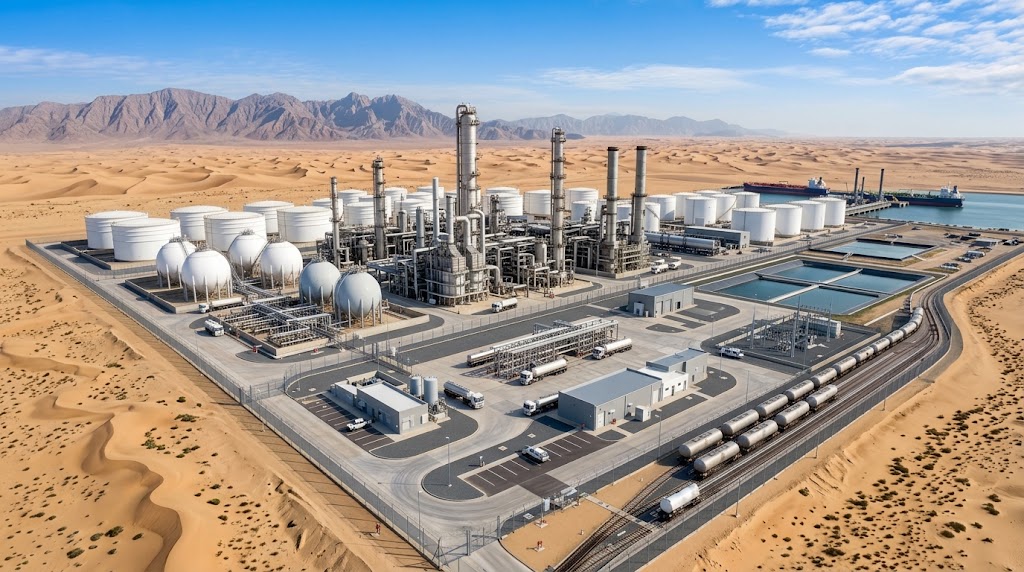
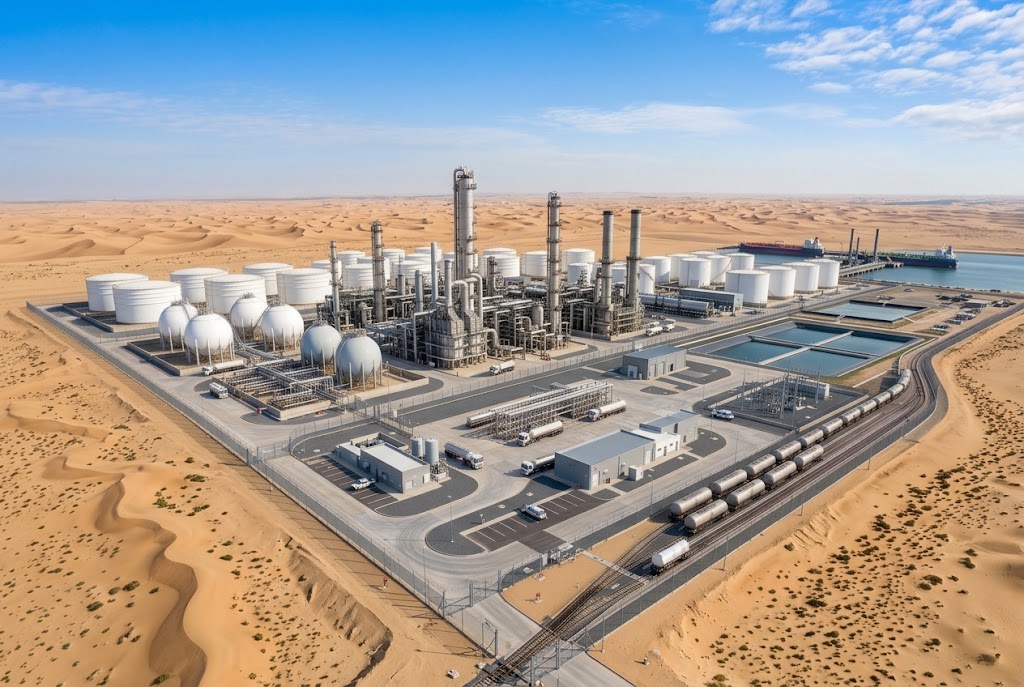
The United Arab Emirates chemical production capacity has recovered to 73% of pre-crisis levels as of July 14, 2026. This baseline reflects a steady but complex rebuilding phase following the severe disruptions of early 2026. Procurement professionals must recognize that the widely reported Hormuz reopening date does not equate to immediate supply normalization. Realistic return to full operational capacity now targets September 2026.
Current UAE Chemical Production Capacity Metrics
The overall 73% recovery figure masks significant variations across different facilities and product lines. Major producers are advancing at different speeds based on their specific damage assessments and repair capabilities.
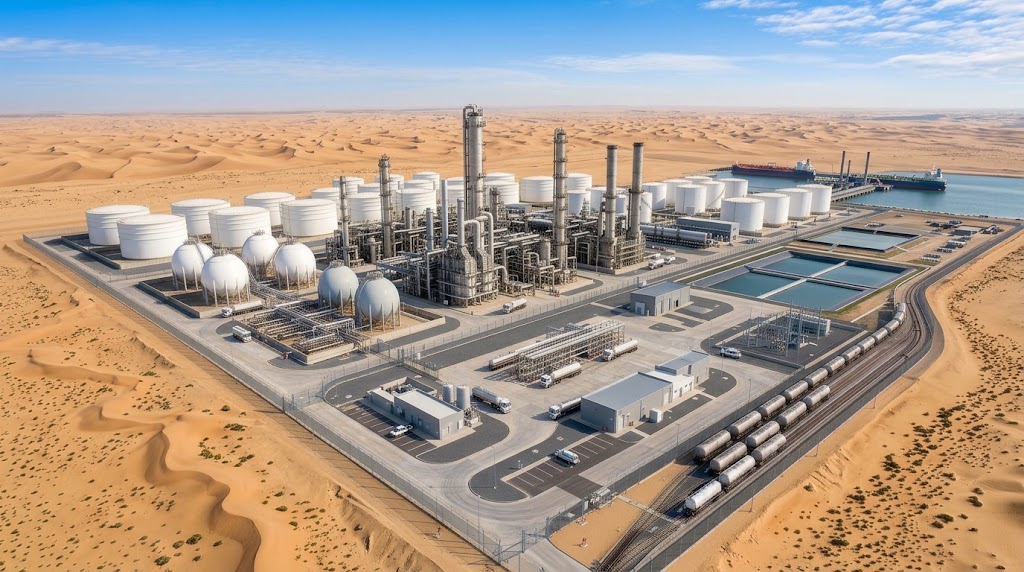
Borouge operates its Ruwais polyolefins complex at 80% capacity. The facility targets a 95% operational rate by August 15.
ADNOC Chemicals facilities currently range between 65% and 78% capacity. Repair crews are prioritizing critical distillation columns and storage tanks.
Jebel Ali specialty chemical producers average 70% capacity. These smaller facilities face unique challenges in sourcing niche replacement parts.
These metrics provide a clear snapshot of the current operational reality. Buyers must map their specific supplier locations to these individual recovery timelines.
Critical Infrastructure and Supply Chain Bottlenecks
Physical infrastructure damage remains the primary obstacle to faster recovery. The Al Ruwais hydrogen pipeline system currently operates at only 68% capacity. This utility is essential for multiple downstream chemical synthesis processes across the industrial zone.
Specialized catalyst replacements present another severe delay. Sourcing these critical components requires six to eight weeks for delivery from Europe or Japan. Custom manufacturing and complex international shipping logistics drive these extended lead times.
These hardware constraints directly limit the speed of facility ramp-ups. Plant managers cannot safely increase throughput without reliable utility feeds and active catalytic beds.
Workforce Reconstitution Challenges in the Region
Human capital represents a third major bottleneck for the UAE chemical sector. Approximately 12% of expatriate chemical engineers and operators have not yet returned to their posts.
This shortage directly impacts shift scheduling and operational safety protocols. Facilities require fully staffed teams to manage complex restart procedures safely. Rehiring and retraining new personnel takes months.
This makes the return of experienced expatriate staff absolutely critical for a safe restart. Companies are actively accelerating recruitment and housing initiatives to close this gap before the third quarter ends.
Realistic Timelines for Procurement Planning
Buyers relying on UAE-sourced materials must adjust their forecasting models immediately. The August 31 target of 85% capacity remains ambitious given these compounding delays.
September 2026 emerges as the most realistic window for normalized supply flows. This timeline accounts for the gradual resolution of catalyst deliveries and workforce returns.
Procurement teams should build this extended timeline into their inventory buffers. Relying on optimistic supplier promises risks severe downstream production halts.
Impact on Global Polyolefin and Specialty Chemical Markets
The delayed UAE recovery sends significant ripples through global supply chains. European and Asian buyers face extended lead times for polyolefins and specialty intermediates.
The polyolefin market feels this pressure acutely. Packaging and automotive sectors depend heavily on consistent resin flows from the Gulf region.
This supply tightness supports elevated spot prices across multiple commodity segments. Market participants are absorbing the shock through gradual price increases rather than sudden spikes.
Alternative sourcing from North America or other Asian hubs becomes a necessary short-term strategy. Manufacturers are actively qualifying new vendors to bridge the Middle Eastern supply gap.
Strategic Sourcing Adjustments for Chemical Buyers
Procurement managers must communicate these revised timelines to internal stakeholders clearly. Setting accurate expectations prevents panic buying and inefficient emergency logistics.
Diversifying the supplier base reduces reliance on a single recovering geographic region. Buyers should activate secondary suppliers even if their base prices are slightly higher.
Negotiating flexible volume commitments allows buyers to scale orders as UAE facilities gradually restore full output. This approach protects the buyer from overcommitting during a volatile transition period.
What Buyers Should Do Now
Procurement leaders must take immediate action to secure their supply chains. Audit current contracts with UAE-based suppliers to confirm revised delivery schedules.
Secure alternative feedstock options to cover the operational gap through September 2026. Maintain open communication channels with logistics providers to monitor port congestion and shipping availability.
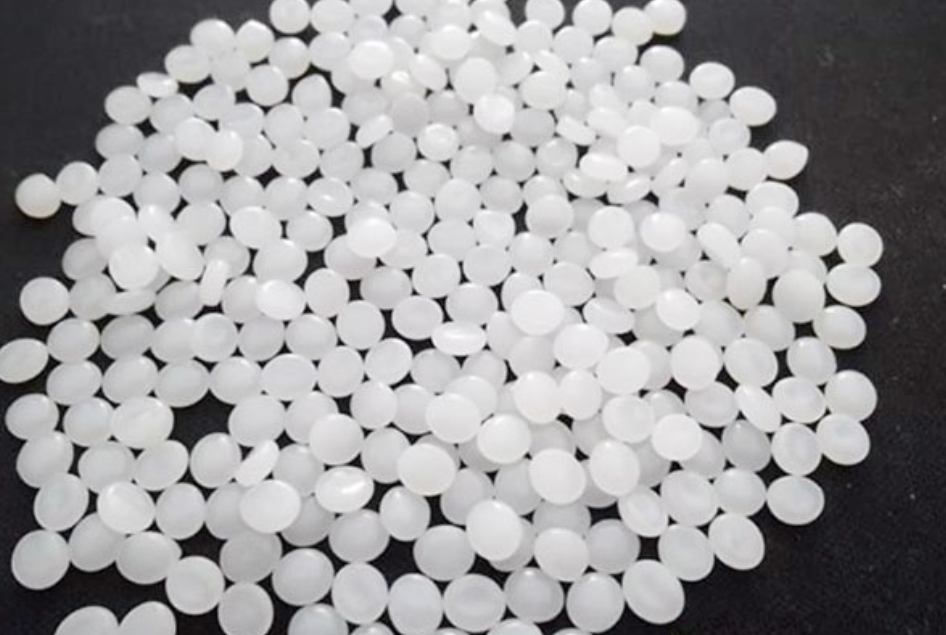
Ready to source High Density Polyethylene (HDPE) from verified global suppliers? Explore competitive offers on our platform today.
Sources
https://www.adnoc.ae/en/news-and-media/press-releases/2026/adnoc-chemicals-recovery-update-july
https://www.borouge.com/en/media-center/news/2026/ruwais-complex-operational-status
https://www.spglobal.com/commodityinsights/en/market-insights/latest-news/petrochemicals/2026-uae-chemical-sector-recovery-tracker