A Refillable Eye Implant Just Replaced Monthly Injections in Europe
A Refillable Eye Implant Just Replaced Monthly Injections in Europe
Adults in Europe with stable neovascular (wet) age-related macular degeneration (nAMD) now have access to a treatment that can replace frequent intravitreal injections with a surgically placed, refillable implant. The European Commission has authorised Susvimo (ranibizumab 100 mg/mL) for use with Roche’s Contivue port-delivery system. After a one-time outpatient implantation procedure, the device continuously releases ranibizumab into the vitreous and is refilled only every 24 weeks—twice a year—rather than the monthly injections required with standard ranibizumab therapy. It is the first refillable ocular implant of its kind approved in the EU for this indication.
How the System Works
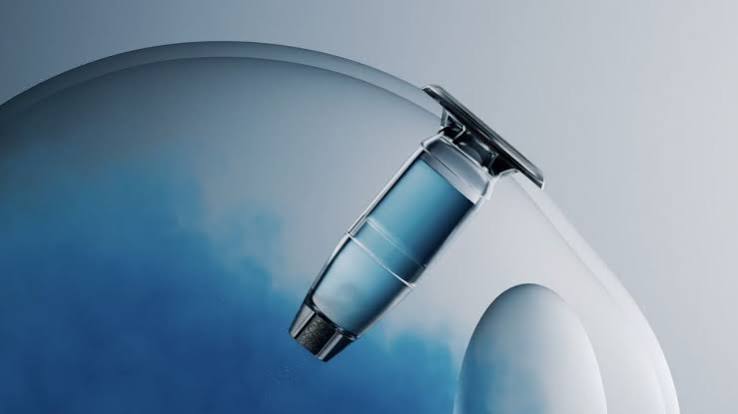
Contivue is a permanent, rice-grain-sized implant inserted into the eye during a single surgical procedure. It contains a release-control element that allows passive diffusion of a highly concentrated ranibizumab formulation (Susvimo) over months, maintaining a steady intravitreal drug level. Refills are performed in an outpatient setting with a specialised needle approximately every six months. Ancillary devices support initial filling, insertion, refilling and, if needed, removal of the implant.
Who It Is For
The indication is limited to adults whose wet AMD has stabilised after responding to prior intravitreal anti-VEGF therapy. It is not intended as initial treatment for newly diagnosed, unstable disease. By focusing on patients already controlled on injections, the approval targets those most likely to benefit from a dramatic reduction in treatment frequency while preserving vision gains already achieved.
Clinical Evidence
The CHMP recommendation and subsequent authorisation rest primarily on the Phase 3 Archway trial. In 415 patients with responsive nAMD, the implant refilled every 24 weeks was non-inferior to monthly intravitreal ranibizumab injections on visual acuity and anatomic measures over two years. The large majority of implant-treated patients required no supplemental ranibizumab between scheduled refills. Longer-term follow-up data have shown vision maintenance for up to seven years in extension studies.

Practical Impact for Patients and Clinics
Monthly eye injections impose a heavy burden: travel, time off work or care responsibilities, repeated procedures, and the cumulative risk of injection-related complications. A twice-yearly refill schedule can substantially ease that load for suitable patients and free clinic capacity. For health systems facing rising numbers of wet-AMD patients, a durable continuous-delivery option offers a way to maintain outcomes with fewer visits.
Safety Considerations
As with any intraocular procedure and implant, risks include conjunctival changes or leakage around the implant site, eye pain, inflammation, vitreous opacities and other ocular events observed in clinical trials. Proper surgical technique, post-implantation monitoring and patient selection are essential. The known safety profile of ranibizumab itself remains relevant.
Outlook
The European authorisation of Susvimo with the Contivue implant marks the arrival of the first refillable, continuous-delivery anti-VEGF system for wet AMD on the continent. For patients whose disease is already stable on injections, it offers a proven alternative that can cut treatment frequency from twelve times a year to two. Uptake will depend on surgical capacity, reimbursement, and how comfortably retina specialists integrate the implantation and refill procedures into routine practice. For those who qualify, the shift from monthly needles to a twice-yearly refill represents one of the most tangible reductions in treatment burden the field has seen.
Sources

Aluminium Chloride
Found this useful?