Acetic Acid: Production, Applications and International Trade
Acetic acid (CH₃COOH) is an organic carboxylic acid widely used as a raw material and chemical intermediate in industrial manufacturing. It is a clear, colourless liquid with a characteristic pungent odour. Commercial grades include glacial acetic acid, which generally contains more than 99% acetic acid, as well as diluted solutions for specific applications.
The chemical plays an important role in the production of vinyl acetate monomer (VAM), purified terephthalic acid (PTA), acetic anhydride and acetate solvents. These derivatives supply industries such as packaging, textiles, construction, paints, adhesives, pharmaceuticals and plastics.
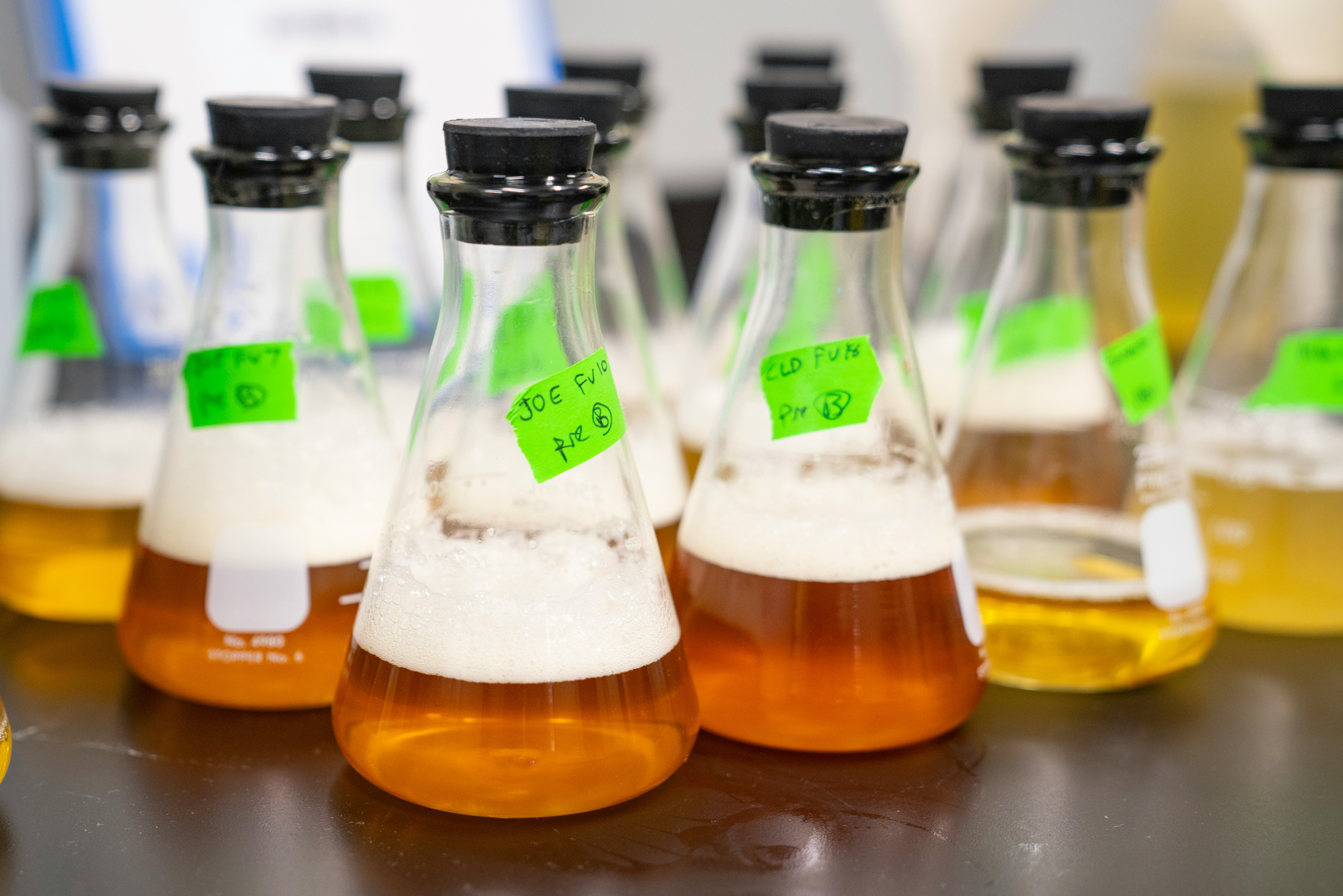
Acetic acid is also produced through biological fermentation, particularly for vinegar manufacturing. However, large-scale industrial supply relies primarily on synthetic production routes, especially methanol carbonylation.
Industrial Production of Acetic Acid
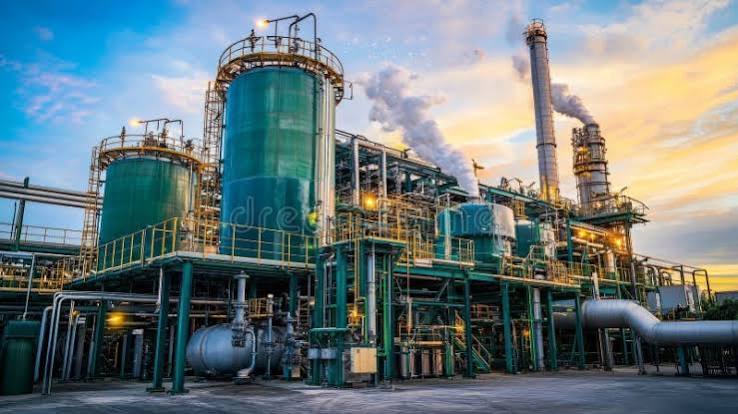
Commercial acetic acid production depends on feedstock availability, process technology, catalyst performance and manufacturing economics. Methanol carbonylation is the dominant industrial route because it offers high selectivity and supports large-scale continuous production.
Global Syngas Technologies Council+1
Methanol Carbonylation
The methanol carbonylation process combines methanol with carbon monoxide in the presence of a catalyst to produce acetic acid.
The overall reaction is:
\[ CH_3OH + CO \rightarrow CH_3COOH \]
Two established technologies are the Monsanto process, which uses a rhodium-based catalyst, and the Cativa process, which uses an iridium-based catalyst. The Cativa technology can operate with lower water requirements and reduced formation of certain by-products compared with the traditional Monsanto process.
The main production stages include:
Feedstock preparation: Methanol and carbon monoxide are prepared to meet process requirements.
Carbonylation reaction: The feedstocks react inside a catalytic reactor under controlled operating conditions.
Product separation: The reaction mixture undergoes separation to recover acetic acid and recycle useful components.
Purification: Distillation and other treatment steps remove impurities and produce the required commercial grade.
Storage and distribution: Finished material is transferred to suitable storage tanks or transport containers.
Alternative Production Routes
Although methanol carbonylation dominates commercial production, other methods have industrial or specialised relevance. These include oxidation of acetaldehyde, hydrocarbons and other suitable feedstocks. Biological fermentation also remains important for food-grade vinegar production.
Researchers are also investigating alternative production pathways that use carbon dioxide, methane and other lower-carbon feedstocks. These technologies aim to reduce fossil resource dependence, although their commercial competitiveness depends on process efficiency, energy requirements, catalyst performance and feedstock costs.
Major Industrial Applications of Acetic Acid
Acetic acid supports a wide range of manufacturing industries because it acts as both a chemical building block and a processing material. Its largest downstream markets include vinyl acetate monomer, PTA, acetic anhydride and acetate solvents.
1. Vinyl Acetate Monomer (VAM)
VAM is one of the largest end uses for acetic acid. Manufacturers produce it using acetic acid and ethylene, with oxygen participating in the catalytic reaction.
VAM is then used to manufacture polymers and copolymers for:
Adhesives: Woodworking adhesives, packaging adhesives and construction bonding products.
Paints and coatings: Vinyl acetate-based emulsions used in water-based paints.
Paper and packaging: Coatings and binders that improve surface properties.
Textiles: Binders and finishing materials for selected textile applications.
Demand for acetic acid in this segment depends on construction activity, packaging production and industrial adhesive consumption.
2. Purified Terephthalic Acid (PTA)
Acetic acid is used as a solvent in the oxidation process that converts para-xylene into purified terephthalic acid. PTA is a key raw material for producing polyethylene terephthalate (PET) and polyester fibres.
These materials serve major markets, including:
PET bottles and food packaging
Polyester textile fibres
Industrial polyester yarns
Films and engineered packaging materials
As a result, acetic acid demand is connected to the performance of the textile, packaging and polyester industries.
3. Acetic Anhydride
Acetic acid is an important feedstock in acetic anhydride production. This derivative is used in cellulose acetate manufacturing and in the synthesis of several chemical intermediates.
Its applications include:
Cellulose acetate for films and fibres
Pharmaceutical intermediates
Specialty chemical manufacturing
Selected coatings and industrial materials
4. Acetate Solvents and Other Derivatives
Acetic acid is used to manufacture ethyl acetate, butyl acetate and other acetate esters. These solvents are valued for their solvency characteristics and use in industrial formulations.
They serve applications in paints, printing inks, adhesives, coatings and cleaning formulations. Other derivatives include monochloroacetic acid, acetate salts and ketene-based chemicals.
Global Demand and International Trade Patterns
Acetic acid is traded internationally as a bulk industrial chemical. Trade flows connect major production centres with markets that require imports to support local manufacturing. The balance between domestic capacity, downstream consumption and delivered costs determines whether a country imports or exports the product.
According to S&P Global's December 2025 Chemical Economics Handbook abstract, mainland China accounted for more than half of global acetic acid production capacity. The United States was the next major capacity centre, while China remained a central influence on global supply and demand.
World Bank WITS trade data for 2025, under HS code 291521, identifies the following major exporters:
United States: Approximately US$400.7 million in exports, with reported shipments of 846,206 tonnes.
China: Approximately US$346.6 million, with shipments of 1.16 million tonnes.
Malaysia: Approximately US$129.4 million, with shipments of 368,422 tonnes.
Singapore: Approximately US$73.2 million, with shipments of 230,509 tonnes.
South Korea: Approximately US$71.7 million, with shipments of 139,642 tonnes.
World Integrated Trade Solution
Import data for the same year identifies India as a leading buyer, with imports valued at approximately US$470.3 million. The European Union, Germany, Mexico and Japan also featured among major importing markets. Pakistan recorded imports worth approximately US$30.6 million, with reported quantities of 69,684.6 tonnes.
World Integrated Trade Solution
These figures illustrate the importance of international supply relationships. Countries with substantial downstream chemical industries but insufficient domestic production depend on imported material to maintain manufacturing operations.
Factors Influencing Acetic Acid Prices and Supply
Acetic acid prices respond to production costs, plant availability, regional inventories and downstream demand. Because methanol carbonylation dominates industrial manufacturing, methanol and carbon monoxide supply conditions are particularly important.
Methanol feedstock costs: Methanol is a primary raw material for carbonylation. Changes in methanol prices can affect production economics and influence producer offers.
Plant operating rates and shutdowns: Planned maintenance, unplanned outages and capacity expansions affect regional availability. When several producers reduce operating rates simultaneously, buyers may face tighter supply.
Downstream consumption: VAM, PTA, acetic anhydride and acetate solvent production influence purchasing requirements. Weak demand from these industries can put pressure on producer margins and market prices.
Energy and logistics costs: Electricity, steam, fuel, freight and port handling expenses contribute to the delivered cost of acetic acid. Shipping disruptions can affect import-dependent markets even when global production remains sufficient.
Regional capacity additions: New production facilities can change trade balances and increase competition between suppliers. S&P Global expects capacity growth to outpace consumption growth during 2024–2029, with new capacity concentrated mainly in mainland China and North America.
Sustainability and Developments in Acetic Acid Production
Manufacturers are exploring production technologies that can improve energy efficiency, reduce emissions and diversify feedstock sources. Traditional methanol carbonylation remains commercially dominant, but research increasingly examines alternative catalytic systems and lower-carbon production pathways.
Some important developments include:
Catalyst improvements: Research focuses on improving catalyst efficiency, selectivity and stability while reducing unwanted by-products.
Energy optimisation: Better heat recovery and purification systems can reduce energy consumption during manufacturing.
Alternative feedstocks: Researchers are investigating carbon dioxide-based and other non-conventional feedstock routes.
Life-cycle assessment: Producers are evaluating emissions across raw material extraction, production, transportation and downstream processing.
These developments may create opportunities for manufacturers that can deliver consistent product quality with improved environmental performance. However, alternative technologies must demonstrate commercial reliability and competitive production costs before they can significantly change established supply chains.
Procurement, Quality and Storage Considerations
International buyers should assess acetic acid according to the intended application, required concentration and relevant technical specifications. Glacial acetic acid and diluted grades serve different industrial requirements, so buyers should confirm product details before placing orders.
Key procurement considerations include:
Purity and concentration: Confirm the required acetic acid content and acceptable impurity limits.
Water content: Check moisture specifications, particularly for applications requiring glacial acetic acid.
Appearance: Verify that the product meets the agreed clear, colourless liquid specification.
Documentation: Request a Certificate of Analysis (COA), Safety Data Sheet (SDS) and relevant technical documentation.
Packaging: Confirm suitable drums, IBCs, tank containers or bulk tanker arrangements.
Supplier reliability: Evaluate production capacity, delivery schedules, export experience and consistency between shipments.
Acetic acid is corrosive, and concentrated grades require careful handling. Storage facilities should use compatible materials, suitable ventilation and appropriate containment measures. Buyers should follow the supplier's SDS and applicable chemical transport regulations.
For international shipments, procurement teams should also review customs documentation, product classification, freight arrangements and delivery terms. These checks help reduce delays, handling risks and unexpected costs.
Market Outlook and Opportunities for Chemical Buyers
Acetic acid will remain an important intermediate in the global chemical industry because of its connection to VAM, PTA, acetate solvents and other derivatives. Demand growth will depend on manufacturing activity across packaging, construction, textiles, automotive production and industrial coatings.
Mainland China is expected to remain influential because of its large production base and expanding downstream chemical capacity. At the same time, import-dependent markets such as India and Pakistan create opportunities for international suppliers and distributors to serve local industrial demand.
Capacity additions may increase competition among producers and influence regional trade flows. Buyers should therefore monitor methanol prices, plant operating rates, export availability and downstream consumption when planning purchases.
A reliable sourcing strategy should combine competitive pricing with product quality, supplier consistency and suitable logistics arrangements. Understanding international trade patterns can help procurement teams identify alternative supply origins and manage exposure to market disruptions.
Mono Propylene Glycol (E1520)
Found this useful?