Antifoaming Agents: Industrial Uses in Chemical and Manufacturing Processes
Uncontrolled foam can disrupt production, reduce equipment capacity and increase operating costs across several industrial sectors. From chemical reactors and wastewater treatment plants to textile dyeing facilities, antifoaming agents help manufacturers maintain stable processing conditions and improve operational efficiency.
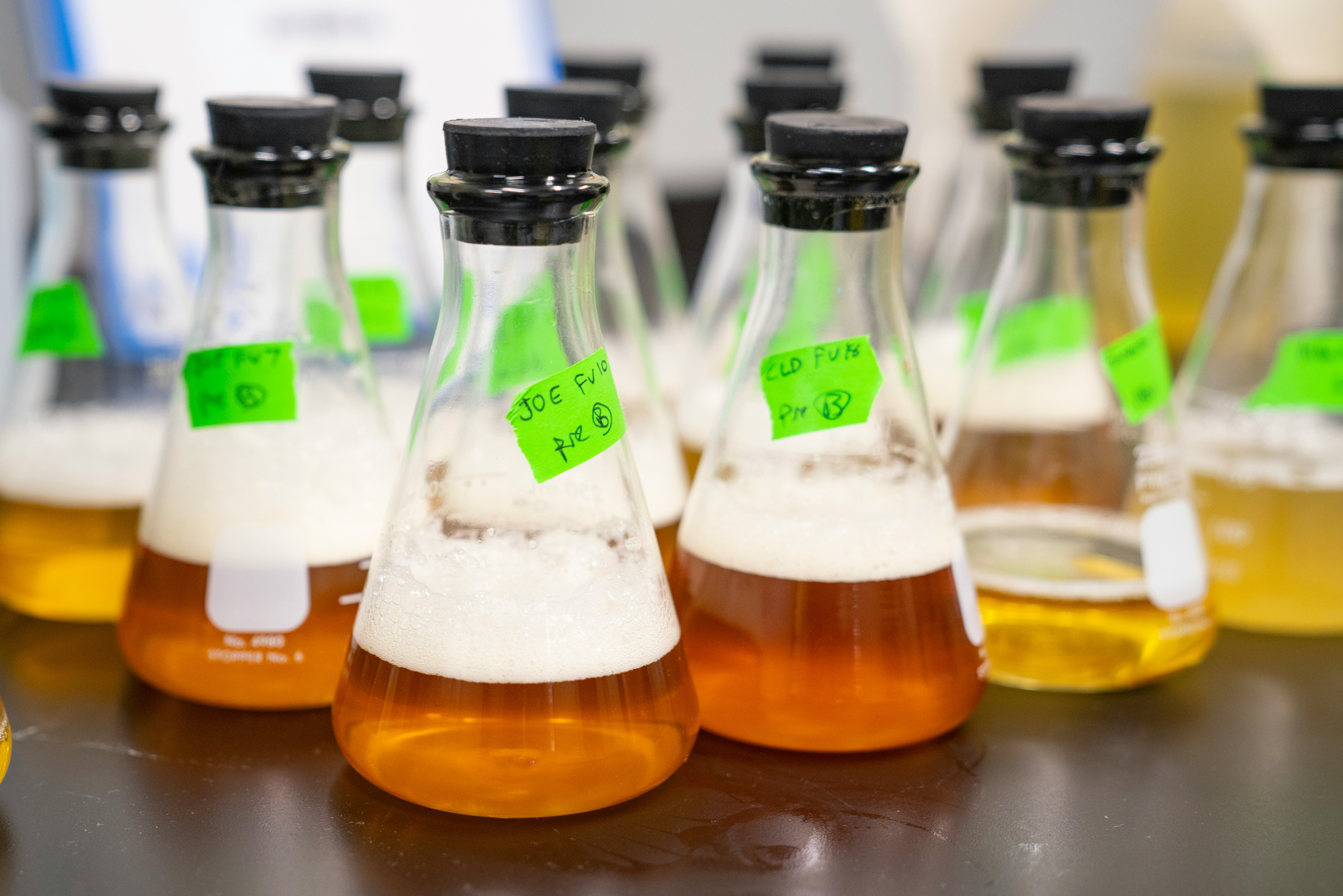
Foam often develops when gases become trapped in liquids containing surfactants, oils, proteins or other surface-active substances. Although some industrial processes require controlled foam, excessive accumulation creates practical problems that can affect production speed, product quality and equipment performance.
Manufacturers use antifoaming agents to prevent foam formation or break down existing bubbles. Selecting the right formulation requires an understanding of the process chemistry, operating temperature, liquid composition and required performance.
What Are Antifoaming Agents and How Do They Work?
Antifoaming agents are chemical additives that reduce or prevent unwanted foam in industrial liquid systems. Manufacturers introduce these substances into processing environments where agitation, aeration, chemical reactions or gas release can generate excessive bubbles.
Foam develops when gas bubbles accumulate in a liquid and form thin films around their surfaces. Surfactants and other stabilizing substances can strengthen these films, allowing bubbles to remain intact for extended periods.
Antifoaming agents interfere with this process through their interaction with the liquid-air interface. Depending on their formulation, they can:
Disrupt bubble films: They enter existing foam structures and weaken the thin liquid layers surrounding air bubbles.
Promote bubble coalescence: They encourage smaller bubbles to combine into larger bubbles that escape more easily.
Prevent foam stabilization: They interfere with the substances responsible for maintaining persistent foam.
Improve liquid drainage: They help destabilize foam structures so trapped liquid drains away more quickly.
Antifoams generally prevent foam from developing, while defoamers target foam that has already formed. However, many commercial formulations perform both functions depending on their composition and application.
Major Chemical Types Used in Industrial Foam Control
Industrial buyers can choose from several antifoaming formulations. Each type offers different compatibility, performance and handling characteristics, making chemical selection an important part of process optimization.
1. Silicone-based antifoaming agents
Silicone formulations commonly use polydimethylsiloxane (PDMS) as their primary active component. They provide strong foam-control performance at relatively low concentrations and work across various industrial applications.
Manufacturers frequently use silicone-based products in chemical processing, wastewater treatment, oil and gas operations and industrial cleaning. Some formulations also incorporate hydrophobic silica to improve their foam-breaking performance.
2. Mineral oil-based antifoams
Mineral oil formulations contain hydrocarbon oils and supporting additives that help destabilize foam structures. They offer practical solutions for several water-based industrial systems and cleaning operations.
Their suitability depends on the liquid composition and the potential for oil contamination in the finished product.
3. Polyether-based antifoaming agents
Polyether formulations contain compounds based on ethylene oxide and propylene oxide structures. Manufacturers can adjust their chemical composition to achieve different solubility and foam-control characteristics.
These products serve applications involving fermentation, industrial processing and wastewater management, particularly where specific temperature and water compatibility requirements influence performance.
4. Organic and fatty-based antifoams
Organic formulations may contain fatty alcohols, fatty acids, waxes and other hydrophobic substances. Their performance depends on the surrounding chemical environment and the characteristics of the foam.
These formulations can support pulp and paper manufacturing, textiles and selected chemical processing operations.
Industrial Applications Across Chemical and Manufacturing Sectors
Antifoaming agents support production activities where foam interferes with equipment performance, processing stability or finished-product quality. Their applications extend across several industries.
Chemical manufacturing
Chemical reactors frequently involve mixing, heating, agitation and gas-producing reactions. These conditions can generate foam that reduces available vessel capacity and interferes with process control.
Antifoaming agents help manufacturers maintain consistent reaction conditions and reduce the risk of material overflow. They also support operations such as chemical blending, distillation and the production of industrial formulations.
Oil and gas processing
Foam can create operational difficulties during crude oil separation, gas treatment and other petroleum processing activities. Excessive foam interferes with liquid-gas separation and can affect the performance of processing equipment.
Silicone-based and other specialized antifoams help control foam in separators, treatment systems and production facilities. Buyers must consider compatibility with hydrocarbons, processing temperatures and downstream treatment requirements.
Wastewater treatment
Wastewater treatment plants encounter foam from surfactants, detergents, organic matter and biological activity. Persistent foam can accumulate in aeration tanks, treatment vessels and other processing equipment.
Antifoaming agents help control excessive surface foam, improve plant operating conditions and reduce overflow-related problems. Treatment operators must also consider how chemical additives affect biological treatment performance and final effluent quality.
Pulp and paper production
Paper manufacturing involves intensive mixing, washing, pulping and chemical treatment. These operations can generate foam that interferes with drainage, equipment operation and production consistency.
Foam-control additives help maintain stable processing conditions and reduce defects associated with trapped air. Their compatibility with paper coatings, pulp chemistry and finished-product requirements remains important.
Textile manufacturing
Textile processing involves washing, bleaching, dyeing and finishing operations that frequently use surfactants and other foam-producing chemicals.
Excessive foam can interfere with fabric wetting, chemical distribution and dye penetration. Appropriate antifoaming formulations help maintain uniform treatment conditions and support consistent fabric quality.
How Antifoaming Agents Improve Manufacturing Efficiency
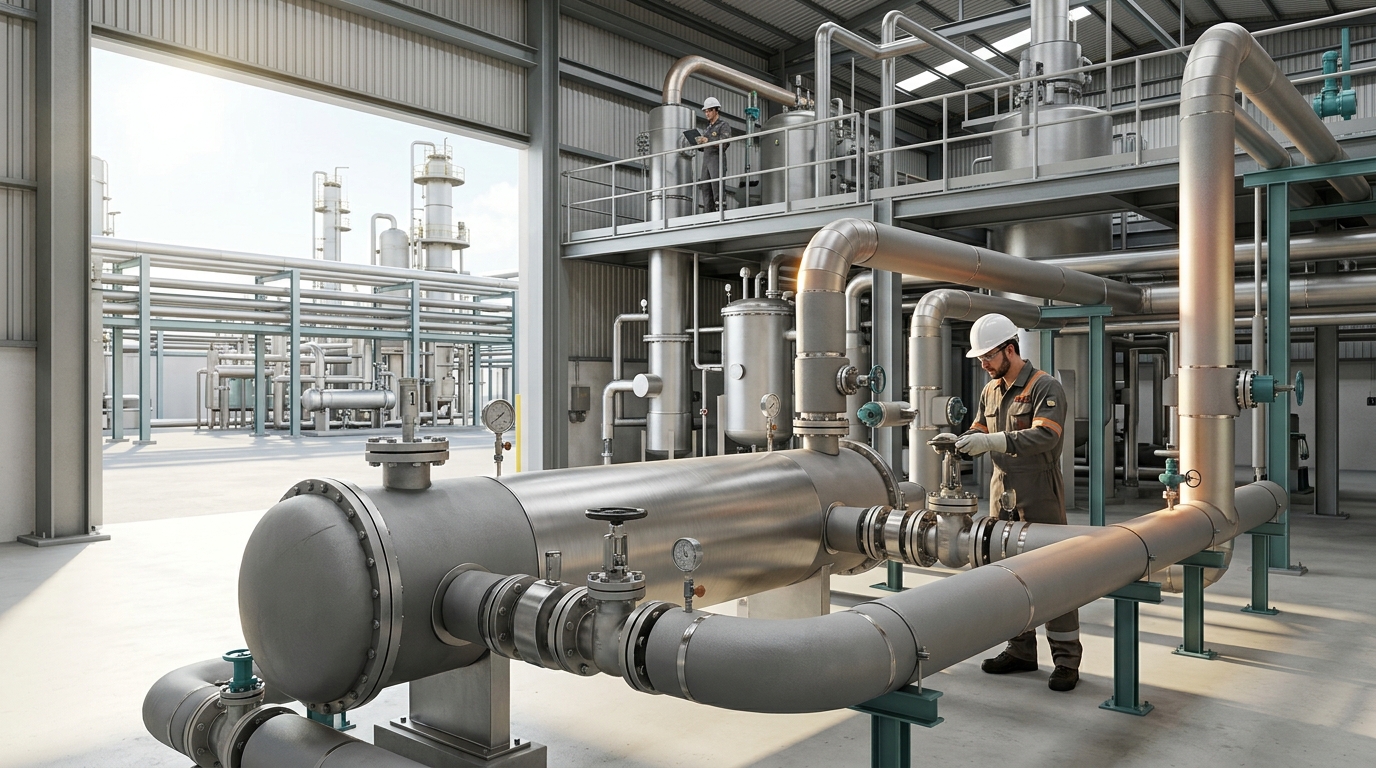
Foam management directly affects production performance, particularly in facilities that operate continuously or process large liquid volumes. Even relatively small amounts of persistent foam can create operational difficulties when they accumulate inside tanks, pipelines or treatment vessels.
Using suitable antifoaming agents provides several practical benefits:
Higher equipment utilization: Controlling foam helps manufacturers use available vessel capacity more effectively and reduces interruptions caused by overflow.
Improved production consistency: Stable processing conditions support more predictable mixing, chemical reactions and treatment outcomes.
Reduced material losses: Foam-related overflow can carry valuable raw materials or intermediate products out of processing equipment.
Better separation performance: Foam control supports liquid-gas separation in petroleum processing and other industrial operations.
Lower maintenance requirements: Reducing foam accumulation can limit operational disturbances, equipment contamination and cleaning requirements.
However, manufacturers must avoid excessive chemical dosing. An unsuitable formulation or unnecessarily high concentration can create new problems, including surface defects, contamination or interference with downstream processes.
Key Factors Affecting Antifoaming Agent Selection
Not every antifoaming agent performs equally well in every industrial environment. Procurement teams should evaluate the complete operating conditions before selecting a chemical formulation.
Several technical factors deserve particular attention:
Process temperature: High-temperature operations can change an antifoam's stability, dispersion and effectiveness. Buyers should confirm that the selected formulation performs within the facility's operating temperature range.
pH conditions: Strongly acidic and alkaline environments can influence chemical compatibility. Manufacturers should evaluate performance under the actual pH conditions of their processing systems.
Liquid composition: Surfactants, salts, oils, suspended solids and dissolved chemicals can influence foam stability. An antifoam that works effectively in one formulation may deliver limited results in another.
Dosage requirements: Effective formulations often operate at relatively low concentrations. However, the correct dosage depends on the process, foam intensity and chemical formulation.
Compatibility with finished products: Chemical additives must not compromise product appearance, surface properties, purity or downstream processing requirements.
Environmental and regulatory requirements: Wastewater discharge standards, workplace safety requirements and application-specific regulations can influence the choice of antifoaming chemistry.
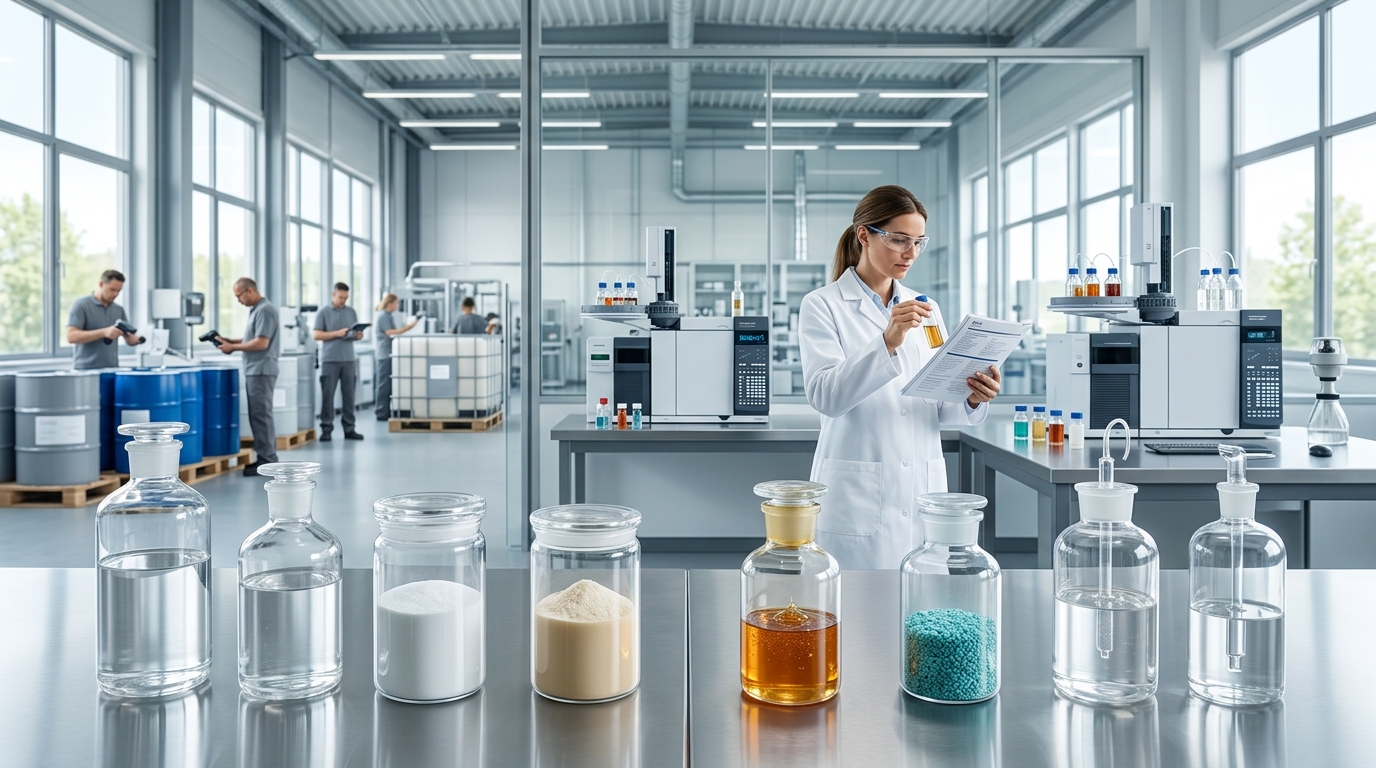
Manufacturers should conduct laboratory evaluations and controlled production trials before introducing a new formulation across an entire facility.
Supply Chain and Procurement Challenges in the Antifoaming Market
Industrial buyers must consider more than chemical performance when sourcing antifoaming agents. Product availability, supplier reliability and formulation consistency can influence manufacturing costs and procurement planning.
Several challenges affect purchasing decisions:
Specialized product requirements: Different industries require specific antifoam formulations, which limits the suitability of generic alternatives.
Raw material availability: Silicone fluids, hydrocarbon oils, polyethers and specialty additives can experience changes in availability and procurement costs.
Quality consistency: Variations in active ingredient concentration, dispersion stability or formulation quality can produce inconsistent results between shipments.
Transportation and storage: Certain liquid emulsions require appropriate storage conditions to maintain stability during transportation and warehousing.
Supplier documentation: Buyers need technical data sheets, safety data sheets and relevant product specifications to evaluate chemical suitability.
For international procurement teams, comparing suppliers on technical specifications and delivery reliability can help reduce sourcing risks.
Buyers should also evaluate packaging formats, minimum order quantities and shipping arrangements. These factors influence inventory planning, especially for manufacturers with continuous production requirements.
Sustainability and Environmental Considerations in Foam Control
Industrial manufacturers increasingly consider the environmental impact of chemical additives alongside their operational performance. Antifoaming agents can influence wastewater characteristics, chemical residues and downstream treatment requirements.
Selecting an appropriate formulation can help facilities avoid unnecessary chemical consumption. Effective dosing also reduces the likelihood of introducing excessive additives into wastewater streams.
Procurement teams can support more responsible sourcing by evaluating:
Biodegradability: Consider formulations with suitable environmental profiles for the intended application.
Toxicological properties: Review safety information and potential environmental hazards before purchasing.
Chemical efficiency: Prioritize products that achieve the required foam-control performance at practical dosage levels.
Wastewater compatibility: Assess whether the formulation affects biological treatment, effluent quality or discharge compliance.
Packaging and handling: Consider storage efficiency and packaging materials that support responsible chemical management.
Silicone-free and other alternative formulations may suit particular applications where downstream compatibility or environmental considerations influence product selection. However, sustainability decisions should always account for actual process performance rather than relying on chemical category alone.
What Procurement Teams Should Prioritize When Sourcing Antifoaming Agents
Choosing the right supplier is essential for maintaining reliable foam control across industrial operations. A competitive purchase price offers limited value if the product creates formulation problems or performs inconsistently during production.
Procurement managers should assess suppliers using a combination of technical, commercial and logistical criteria.
Before placing an order, buyers should:
Define the application: Identify whether the chemical will support wastewater treatment, chemical manufacturing, oil processing, textile production or another industrial activity.
Confirm product specifications: Review the chemical composition, active content, physical properties and recommended dosage.
Request technical documentation: Obtain the technical data sheet (TDS) and safety data sheet (SDS) for evaluation.
Evaluate sample performance: Test the formulation under actual operating conditions before committing to bulk quantities.
Compare supplier capabilities: Assess production consistency, export experience, packaging options and delivery commitments.
Calculate total purchasing costs: Consider dosage efficiency, transportation, storage and the impact of chemical performance on operating expenses.
Establishing relationships with reliable international suppliers can help manufacturers maintain consistent product availability and manage long-term procurement requirements.
The Outlook for Industrial Foam Control and Chemical Buyers
Industrial demand for foam-control solutions will remain closely connected to manufacturing activity, wastewater infrastructure, chemical processing and petroleum operations. As production facilities focus on higher efficiency and more consistent output, specialized antifoaming formulations will continue to play an important operational role.
Manufacturers are also placing greater emphasis on formulations that balance performance with environmental compatibility. Advances in silicone chemistry, polyether formulations and specialty organic additives provide opportunities to develop products for increasingly specific processing conditions.
For chemical traders, importers and procurement managers, understanding these requirements creates opportunities to identify suitable products and establish stronger supplier relationships.
The most effective sourcing strategy combines reliable chemical specifications, application testing, competitive pricing and consistent international supply. Buyers who evaluate these factors together can make better purchasing decisions while supporting stable manufacturing operations.
Ready to source Fumed Silica from verified global suppliers? Explore competitive offers on our platform today.
Sources:
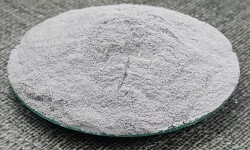
Fumed Silica
Found this useful?