Aromatics Market Trends: Benzene, Toluene and Xylene Demand Across Industries
Aromatics are among the most important building blocks of the global petrochemical industry. Benzene, toluene and xylene, commonly grouped as BTX, serve as essential raw materials for manufacturing plastics, synthetic fibres, rubber, paints, coatings, adhesives and industrial solvents.
The global aromatics market is experiencing changing supply-demand dynamics as petrochemical producers expand capacity, manufacturers adjust operating rates and downstream industries respond to changing economic conditions. China remains a major influence on regional supply while North America, Europe and the Middle East maintain important production and trading positions.
For chemical traders, importers and procurement managers, understanding benzene, toluene and xylene market trends helps identify sourcing opportunities, anticipate price movements and evaluate supplier competitiveness. Each aromatic chemical follows a different demand pattern, making it important to examine their individual applications and market fundamentals.
Understanding the Three Major Aromatics: Benzene, Toluene and Xylene
Benzene, toluene and xylene are aromatic hydrocarbons derived primarily from petroleum refining and petrochemical processing. Their molecular structures contain a benzene ring, but differences in their chemical composition create distinct industrial properties and applications.
Benzene: A Foundation for Chemical Manufacturing
Benzene is a colourless, highly flammable aromatic liquid with a characteristic odour. It serves as a fundamental feedstock for several large-scale petrochemical value chains.
Major benzene derivatives include:
Styrene: Produced through ethylbenzene and used to manufacture polystyrene, ABS resin and synthetic rubber.
Phenol: Supports the production of phenolic resins, polycarbonates and other industrial chemicals.
Cyclohexane: Used in manufacturing nylon intermediates, particularly adipic acid and caprolactam.
Nitrobenzene: Primarily used in aniline production, which supports polyurethane and other chemical applications.
Alkylbenzene: Used in the production of linear alkylbenzene sulfonic acid and detergent ingredients.
Demand for benzene therefore depends heavily on the performance of plastics, synthetic rubber, nylon, detergents and other downstream manufacturing industries.
Toluene: A Versatile Industrial Solvent and Feedstock
Toluene is an aromatic hydrocarbon widely used as an industrial solvent and petrochemical intermediate. Its ability to dissolve various organic substances makes it valuable in coatings, paints, adhesives and printing applications.
Its major industrial uses include:
Paints and coatings: Supports solvent-based formulations used in automotive, construction and industrial applications.
Adhesives and inks: Helps dissolve resins and other formulation ingredients.
Toluene diisocyanate (TDI): Serves as a precursor for polyurethane foams used in furniture, mattresses and automotive interiors.
Gasoline blending: Improves octane performance when used as a gasoline blending component.
Benzene and xylene production: Can undergo disproportionation and transalkylation processes to produce benzene and mixed xylenes.
Toluene demand reflects activity in the coatings, automotive, construction and fuel industries. Its market also depends on the profitability of downstream conversion processes.
Xylene: An Essential Raw Material for Polyester and Chemical Production
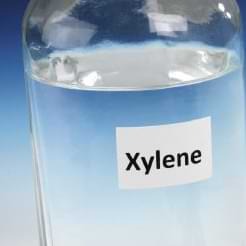
Xylene consists of three structural isomers: ortho-xylene, meta-xylene and para-xylene. Commercial mixed xylenes contain different proportions of these isomers.
Each isomer supports a different industrial value chain:
Para-xylene (PX): Used to manufacture purified terephthalic acid (PTA), a major raw material for polyester fibre and PET resin.
Ortho-xylene (OX): Used primarily to produce phthalic anhydride, which supports plasticizers, coatings and unsaturated polyester resins.
Meta-xylene (MX): Used in the production of isophthalic acid and other specialty chemical intermediates.
The textile, packaging and beverage industries strongly influence para-xylene demand because of their reliance on polyester and PET products.
Global Aromatics Supply and Production Capacity Trends
Global aromatics production depends on refinery operations, naphtha availability, catalytic reforming capacity and steam cracker activity. Integrated petrochemical facilities can recover aromatic compounds from reformate and pyrolysis gasoline streams.
China's expanding refining and petrochemical infrastructure has become one of the most important factors shaping global aromatics supply.
According to Blooming Global's August 2026 market assessment, global pure benzene capacity increased by 3.3% in 2025, while production grew by 3.1%. Northeast Asia accounted for 54.2% of global benzene capacity, reflecting the region's strong concentration of integrated petrochemical facilities.
Blooming
China's Expanding Petrochemical Industry
China continues to invest in large-scale refining and petrochemical complexes to strengthen domestic raw material availability and support downstream manufacturing.
These investments influence aromatics markets through several channels:
Higher benzene availability: New refining and petrochemical facilities increase domestic production potential.
Growing downstream integration: Producers connect benzene production with styrene, phenol and other derivative manufacturing.
Changing import requirements: Domestic capacity growth can reduce dependence on imported aromatics when production meets consumption.
Export competition: Additional production can encourage suppliers to explore overseas markets when domestic supply exceeds requirements.
However, capacity expansion does not automatically guarantee stronger producer profitability. Weak downstream margins and high inventories can discourage operating rate increases.
Regional Production Developments
Other major regions also contribute to global aromatics supply.
South Korea: Maintains an important position in benzene and other aromatics exports, supplying regional and international customers.
United States: Benefits from integrated refinery and petrochemical infrastructure, with benzene supply linked to refining and steam cracking.
Middle East: Supports aromatics production through large refining and petrochemical complexes with access to hydrocarbon feedstocks.
Europe: Maintains established aromatic chemical production but faces competitive pressure from energy expenses and international supply.
Regional supply balances depend on production costs, refinery utilization and the availability of suitable feedstocks.
Demand Trends Across Plastics, Textiles, Automotive and Manufacturing
Aromatics demand reflects the performance of several interconnected industries. Changes in consumer spending, construction investment, vehicle manufacturing and industrial production can influence purchasing requirements for BTX chemicals.
Plastics and Synthetic Rubber Manufacturing
Benzene plays a major role in the production of styrene, phenol and other intermediates used in plastic manufacturing.
Styrene-based materials support packaging, insulation, household appliances and automotive components. ABS resin also serves electrical equipment, consumer electronics and vehicle interiors.
Synthetic rubber production provides another important source of benzene-linked demand through styrene-butadiene rubber and related materials.
Polyester, Textiles and PET Packaging
Xylene demand, particularly para-xylene, is closely connected to polyester manufacturing.
PTA produced from para-xylene combines with monoethylene glycol to manufacture polyester materials. These materials support:
Textile fibres used in clothing and home furnishings.
PET bottles for beverages and packaged products.
Polyester films for packaging and industrial applications.
Engineering and specialty polyester materials.
Growth in packaged beverages, textile production and consumer goods manufacturing can increase demand across the para-xylene value chain.
Paints, Coatings and Construction
Toluene and xylene serve as important solvents in various industrial formulations.
Construction projects require coatings, protective paints, adhesives and sealants. Automotive manufacturing also uses these products in surface preparation and finishing operations.
When construction and manufacturing activity improves, demand for solvent-based formulations may strengthen. However, environmental regulations and the adoption of water-based alternatives can influence long-term solvent consumption.
Regional Aromatics Market Analysis
The global aromatics market does not move uniformly across regions. Differences in refinery infrastructure, downstream manufacturing capacity, feedstock economics and international trade influence regional demand and pricing.
Asia-Pacific: The Centre of Aromatics Consumption
Asia-Pacific remains the most influential region for benzene, toluene and xylene consumption.
China dominates regional production and demand, supported by integrated petrochemical facilities and large downstream manufacturing industries. South Korea, Japan and Taiwan also maintain important production and export networks.
India represents another important growth market because of its expanding chemical manufacturing, textile, automotive and packaging industries.
According to ICIS's October 2026 market analysis, changing Middle East supply conditions have increased the importance of Northeast Asian suppliers in markets such as India, Turkey and Europe. Taiwan and South Korea have also redirected para-xylene shipments towards alternative buyers, including India and Pakistan.
ICIS
North America: Refining Integration and Industrial Demand
The United States maintains an established aromatics industry supported by refinery operations, petrochemical facilities and downstream manufacturing.
Benzene demand benefits from styrene production, gasoline blending and other chemical applications. Toluene and mixed xylenes also serve gasoline blending and industrial solvent markets.
Regional pricing depends on refinery utilization, crude oil economics, import availability and the competitiveness of domestic production.
Middle East: Production and Export Opportunities
The Middle East plays an important role in international aromatics supply through its integrated refining and petrochemical infrastructure.
Saudi Arabia, Qatar and the United Arab Emirates support chemical production for domestic consumption and export markets.
However, shipping disruptions and geopolitical uncertainty can affect delivery schedules, freight expenses and the competitiveness of regional suppliers.
Europe: Cost Pressure and Changing Trade Flows
European aromatics producers face competition from international suppliers and pressure from energy and production costs.
The region's benzene market also depends on import availability and downstream demand from styrene, phenol and other chemical manufacturers.
Changing trade flows can create new sourcing opportunities, particularly when Asian suppliers redirect cargoes towards European customers.
Aromatics Prices and Factors Influencing Market Movements
Benzene, toluene and xylene prices respond to crude oil movements, refinery production, feedstock costs and downstream purchasing activity. Although these chemicals belong to the same aromatic family, their individual market prices can follow different directions.
Crude Oil and Naphtha Price Movements
Crude oil and naphtha influence aromatics production economics because they form important parts of the petroleum refining and petrochemical feedstock chain.
When crude oil prices rise, naphtha costs can increase, placing pressure on producers that rely on petroleum-based feedstocks.
However, higher production costs do not always translate into stronger selling prices. If downstream manufacturers cannot pass increased expenses to customers, purchasing activity may weaken.
Benzene Supply and Styrene Demand
Benzene prices are closely linked to the availability of material from refineries and petrochemical facilities.
Styrene production represents a major source of benzene consumption, making styrene operating rates and margins important market indicators.
OPIS reported in May 2026 that Asian benzene prices faced competing pressures from restricted spot supply and weaker downstream demand.
OPIS, A Dow Jones Company
Toluene and Gasoline Blending Economics
Toluene prices can respond to seasonal gasoline blending requirements, industrial solvent demand and conversion economics.
During periods of strong gasoline demand, refiners and petrochemical producers may direct aromatic components towards fuel blending, affecting the availability of material for chemical buyers.
OPIS also reported in August 2026 that weak conversion margins and excess domestic supply influenced China's decisions to slow new toluene capacity expansion.
OPIS, A Dow Jones Company
Para-xylene and Polyester Industry Demand
Para-xylene prices depend heavily on PTA production economics and polyester manufacturing activity.
When polyester fibre and PET producers increase operating rates, their demand for PTA can strengthen, supporting para-xylene consumption.
However, excess PTA capacity, weak textile demand and high inventories can reduce purchasing interest and place pressure on the wider value chain.
Sustainability and Regulatory Changes in Aromatics Production
Environmental requirements are increasingly influencing the production and consumption of aromatic hydrocarbons.
Benzene receives particular regulatory attention because of its established health hazards, including its carcinogenic properties. Manufacturers must implement appropriate occupational exposure controls, closed handling systems and workplace monitoring.
Other important considerations include:
Air emissions: Producers must manage volatile organic compound (VOC) emissions from storage, processing and handling operations.
Workplace safety: Appropriate ventilation, protective equipment and exposure monitoring help reduce occupational risks.
Storage management: Aromatic hydrocarbons require suitable tanks, fire prevention measures and spill containment systems.
Process efficiency: Improved energy management and recovery systems can reduce production costs and environmental impacts.
Alternative formulations: Some paint and coating manufacturers are developing lower-VOC formulations that may reduce demand for certain conventional solvents.
These requirements influence plant investment, product specifications and the operating costs of chemical manufacturers.
Global Aromatics Market Outlook for 2027 and Beyond
The aromatics market is likely to remain competitive as producers balance new capacity, changing trade routes and uneven downstream consumption.
Several developments will influence the outlook:
Benzene demand growth: Styrene, phenol, cyclohexane and other derivatives will remain important sources of consumption.
China's capacity expansion: Additional integrated refining and petrochemical facilities will continue influencing regional availability and international trade.
Toluene market adjustments: Weak conversion economics and excess supply may delay some planned capacity investments.
Xylene demand: Polyester fibre, PET packaging and PTA production will remain central to para-xylene consumption.
Regional trade diversification: Buyers may increasingly consider South Korea, China, India and other alternative suppliers when traditional supply routes become less competitive.
Environmental compliance: Emission controls, workplace safety and lower-carbon production technologies will influence investment decisions.
Krungsri Research's 2026 petrochemical industry outlook identifies continued pressure on aromatics, particularly benzene and para-xylene, from China's excess capacity. This highlights the importance of monitoring downstream demand alongside new production investments.
The performance of each aromatic chemical will depend on its individual supply-demand balance rather than the overall direction of the petrochemical industry.
Key Considerations for Global Aromatics Buyers
For procurement managers, chemical traders and industrial manufacturers, understanding differences between benzene, toluene and xylene is essential when developing sourcing strategies.
Consider the following purchasing factors:
Match product specifications: Confirm chemical purity, grade, applicable standards and technical requirements before placing orders.
Compare regional suppliers: Evaluate offers from Asian, Middle Eastern, European and North American producers.
Monitor feedstock economics: Follow crude oil and naphtha movements to understand potential changes in supplier pricing.
Evaluate downstream conditions: Track styrene, PTA, polyester, coatings and solvent markets according to the chemical being purchased.
Calculate landed costs: Include freight, insurance, storage, handling expenses and applicable import duties.
Check supplier reliability: Review production capabilities, quality documentation, delivery performance and contractual commitments.
Manage storage and safety: Confirm suitable infrastructure for handling flammable aromatic hydrocarbons and meeting relevant regulatory requirements.
Buyers should also distinguish between temporary supply disruptions and longer-term changes in production capacity. A temporary shortage can increase regional prices even when global production remains sufficient.
A diversified supplier network, accurate market monitoring and disciplined inventory planning can help businesses manage price volatility and maintain reliable access to essential aromatic raw materials.
Benzene, toluene and xylene will continue supporting major global manufacturing industries, from plastics and synthetic fibres to paints, coatings and industrial chemicals. Understanding their individual market dynamics can help buyers identify competitive sourcing opportunities and make better procurement decisions. Ready to source aromatic chemicals from verified global suppliers? Explore competitive offers on our platform today.
Sources:
Xylene
Found this useful?