Chemical Batch Manufacturing: Key Stages and Quality Assurance Practices
Chemical batch manufacturing is a production method in which manufacturers process a defined quantity of raw materials through a planned sequence of operations. Each batch follows an approved formulation and manufacturing procedure to produce a specific chemical product or intermediate. Unlike continuous manufacturing, where materials move through the production system without interruption, batch manufacturing separates production into identifiable lots.
This approach is widely used in specialty chemicals, industrial solvents, coatings, adhesives, detergents, fertilizers and other formulated products. It allows manufacturers to manage different formulations, adjust production volumes and maintain records for individual production lots.
Successful batch manufacturing depends on more than following a recipe. Accurate raw material measurements, suitable equipment, controlled processing conditions and effective quality assurance all contribute to consistent results. A structured production system also helps manufacturers identify deviations, reduce waste and improve operational reliability.
Understanding Chemical Batch Manufacturing
A batch is a defined quantity of material produced through one manufacturing cycle or a series of controlled processing steps. Manufacturers assign each batch a unique identification number so they can connect the finished product with its raw materials, production history and quality results.
Batch manufacturing is particularly useful when customers require different product grades, customized formulations or relatively flexible production volumes. Manufacturers can change recipes between production runs without redesigning the entire production system.
Batch manufacturing versus continuous manufacturing
The main difference lies in how materials move through the production process.
Batch manufacturing: Raw materials are measured, processed and discharged in defined quantities. Production generally includes separate loading, processing and unloading stages.
Continuous manufacturing: Raw materials enter the process at controlled rates while finished products leave continuously. The system is designed to maintain stable operating conditions over an extended period.
Batch production offers greater flexibility for varied formulations and smaller production runs. Continuous systems can provide higher throughput for products with stable, large-scale demand. The appropriate approach depends on product characteristics, production volume, equipment requirements and commercial priorities.
Key Stages of Chemical Batch Manufacturing
Although individual manufacturing processes differ, most batch operations follow a structured sequence. Each stage has specific requirements that influence the quality and consistency of the finished product.
1. Production planning and formulation approval
Manufacturing begins with an approved product formulation and production plan. The formulation identifies the raw materials, required quantities, processing sequence and target product specifications.
Production teams review the batch size, material availability, equipment capacity and expected processing time before starting operations. They also confirm that the correct formulation and current manufacturing instructions are available.
A master production instruction provides the basis for preparing the batch record. Changes to the formulation or processing procedure should follow an authorized review and approval process.
2. Raw material sourcing and inspection
Raw materials directly influence the chemical composition and performance of the finished product. Manufacturers therefore need reliable suppliers and defined acceptance criteria for incoming materials.
The receiving and inspection process may include:
Verification of material names and supplier details
Review of certificates of analysis
Confirmation of batch or lot identification
Inspection of packaging and container condition
Testing of purity, moisture, density or other relevant properties
Assignment of approved, rejected or quarantine status
Materials should not enter production until the required checks and approvals are complete. Supplier monitoring also helps manufacturers reduce the risk of inconsistent raw material quality.
3. Weighing and material preparation
After raw material approval, operators measure the required quantities according to the production formula. Accurate weighing is essential because incorrect proportions can affect reaction performance, concentration, viscosity and final product specifications.
Manufacturers use calibrated weighing equipment, flow meters, dosing systems and transfer pumps depending on the materials involved. Each ingredient should be identified and checked before addition.
Some materials may also require preparation before processing. This can include dissolving, heating, screening, drying or pre-mixing. The preparation method depends on the material's physical and chemical properties.
4. Charging and processing
Operators transfer the prepared ingredients into the designated reactor, mixing vessel or processing equipment. The order of addition can influence reaction behaviour, product uniformity and process safety.
Processing conditions vary according to the formulation. They may include controlled temperature, pressure, agitation speed, reaction time and pH. Chemical synthesis may also require catalysts, solvents or other process materials.
Operators monitor critical parameters throughout the manufacturing cycle. If a parameter moves outside its approved operating range, the production team should follow established procedures to assess and manage the deviation.
5. Separation, purification and finishing
Not every batch requires the same finishing operations. Depending on the manufacturing route, the processed material may need filtration, centrifugation, distillation, drying, neutralization or other separation and purification steps.
These operations remove unwanted materials or adjust the product to meet its intended specifications. Some formulations may also require additional ingredients during finishing to achieve the required concentration, stability or physical properties.
The manufacturer should record significant processing stages and monitor product characteristics at appropriate points.
6. Final testing, packaging and storage
Once processing is complete, the finished batch undergoes quality testing against approved specifications. Only material that meets the applicable release requirements should proceed to approved packaging and distribution.
Packaging must be suitable for the chemical's properties and intended storage conditions. Labels should provide the necessary product identification, batch number, handling information and other required details.
Finished products should be stored under appropriate conditions to protect their quality during handling and distribution.
Quality Assurance Practices in Batch Manufacturing
Quality assurance covers the systems and procedures used to prevent defects, maintain process consistency and ensure that production follows approved requirements. It works alongside quality control, which performs inspections and tests to assess whether materials and finished products meet specifications.
Raw material and supplier quality management
Quality assurance begins with the supply chain. Manufacturers should establish material specifications and evaluate suppliers according to their ability to provide consistent, traceable materials.
Incoming inspection procedures help identify incorrect, contaminated or out-of-specification ingredients before they affect production. Certificates of analysis can support verification, while independent testing may be necessary depending on the material's risk and intended application.
In-process quality control
Testing during manufacturing allows operators to identify problems before the batch reaches its final stage. The specific checks depend on the process and product.
Common in-process measurements include:
Temperature and pressure
pH and concentration
Viscosity and density
Reaction completion or conversion
Moisture content
Colour and physical appearance
Yield at defined processing stages
Sampling procedures should produce representative samples. Test results and observations should be recorded so that production and quality teams can assess whether processing can continue.
Finished product testing
Final testing confirms whether the completed batch meets its approved product specifications. Depending on the chemical, laboratory analysis may include purity, composition, concentration, viscosity, density, moisture, flash point or other relevant properties.
Testing methods should be suitable for the product and provide reliable results. Manufacturers should also maintain calibrated instruments and trained laboratory personnel.
Batch documentation and traceability
Batch documentation creates a record of how a product was manufactured. A complete batch production record typically identifies raw material quantities and lot numbers, equipment, processing dates, critical parameters, sampling activities, test results, yields and responsible personnel.
These records support investigations when a batch fails to meet specifications. They also help manufacturers trace affected materials and finished products if a quality issue requires corrective action or a recall.
The World Health Organization's GMP guidance and Health Canada's API manufacturing guidance describe the importance of approved procedures, in-process controls, batch records and documented production activities. These are particularly relevant to regulated manufacturing; requirements for other chemical sectors depend on the applicable product and jurisdiction.
Managing Equipment, Cleaning and Production Deviations
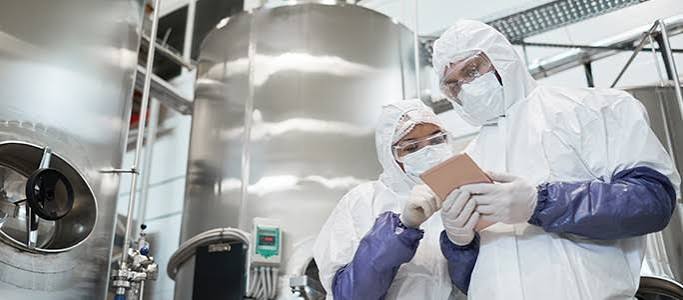
Equipment condition and production discipline play an important role in maintaining batch consistency. Even an approved formulation can produce inconsistent results if the equipment is unsuitable, poorly maintained or contaminated by residues from a previous production run.
Equipment inspection and maintenance
Before production begins, operators should confirm that the selected equipment is suitable for the product and operating conditions. Checks may cover vessel integrity, agitator condition, valves, seals, pumps, instruments and safety systems.
Preventive maintenance reduces unexpected downtime and helps preserve equipment performance. Measuring instruments should also undergo appropriate calibration to support reliable process monitoring.
Cleaning and contamination prevention
Cleaning procedures help remove product residues, dust, foreign materials and other contaminants from production equipment. This is particularly important when manufacturers use shared vessels or transfer systems for different formulations.
Cleaning requirements should reflect the materials being processed and the risk of cross-contamination. Where applicable, manufacturers can verify cleaning effectiveness through visual inspection, swab sampling or rinse sampling.
The FDA's cleaning validation guidance discusses the need for documented procedures, suitable sampling methods and evidence that cleaning consistently achieves established acceptance criteria.
FDA+2
Deviation management and corrective action
A deviation occurs when an operation does not follow an approved instruction or an established process requirement. Examples include incorrect ingredient quantities, unexpected temperature changes, equipment malfunctions and failed in-process tests.
Manufacturers should document deviations, assess their potential impact and investigate the underlying cause. Corrective and preventive actions can then address the immediate problem and reduce the likelihood of recurrence.
A batch should not be released solely because its production cycle has finished. The relevant records, test results and quality decisions must be reviewed according to the manufacturer's release procedure.
Improving Batch Manufacturing Efficiency and Consistency
Manufacturers can improve batch performance by combining process control with effective production planning. The objective is to reduce unnecessary delays and resource consumption without compromising product quality.
Standardize production procedures
Clear manufacturing instructions reduce differences in how operators perform the same task. Standard procedures should define ingredient quantities, addition sequence, operating ranges, sampling points and documentation requirements.
Consistent training helps production teams follow these instructions and recognize unusual process behaviour.
Optimize batch scheduling
Production scheduling should consider equipment availability, raw material supply, cleaning requirements and delivery deadlines. Grouping compatible products into planned production campaigns may reduce equipment changeover time, where appropriate.
Monitor production performance
Manufacturers can track indicators such as batch cycle time, equipment utilization, material yield, rejection rates and unplanned downtime. Reviewing these measures helps identify recurring production problems and opportunities for improvement.
Use automation where appropriate
Automated dosing, temperature monitoring and process control systems can improve measurement accuracy and reduce manual intervention. Digital batch records can also make production information easier to review and trace.
Automation should support a well-designed process rather than replace proper procedures, operator training or quality oversight.
Key Considerations for Chemical Buyers and Manufacturers
For procurement teams, batch manufacturing capability can influence product consistency, order flexibility and supply reliability. Before selecting a chemical manufacturer, buyers should evaluate:
Production capability: Confirm that the supplier can produce the required batch size and formulation.
Raw material control: Review sourcing practices, incoming inspections and supplier qualification procedures.
Quality assurance: Ask about in-process testing, final product specifications and certificates of analysis.
Traceability: Check whether the supplier can provide batch numbers and relevant production records.
Equipment and maintenance: Evaluate whether the manufacturing facility has suitable equipment and maintenance procedures.
Cleaning practices: Confirm how the manufacturer manages contamination risks between production runs.
Delivery reliability: Assess production lead times, packaging arrangements and storage capabilities.
Chemical batch manufacturing provides flexibility and control across a wide range of industrial production activities. Its effectiveness depends on a clearly defined production sequence, accurate material handling, suitable equipment and consistent quality assurance. Manufacturers that maintain reliable batch records, monitor critical parameters and investigate deviations can improve product consistency while reducing avoidable production losses.
For buyers, working with suppliers that demonstrate strong batch control and quality management helps support dependable sourcing and more predictable product performance.
Ready to source Xylene from verified global suppliers? Explore competitive offers on our platform today.
Sources:
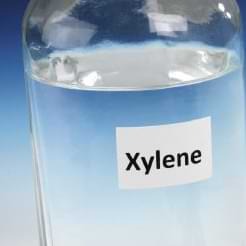
Xylene
Found this useful?