Chemical Blending Operation: Processe, Quality Control and Production Efficiency
Chemical blending is a core operation across the chemical manufacturing and processing industries. It involves combining two or more raw materials in carefully controlled proportions to produce a uniform product with defined physical and chemical properties. Manufacturers use blending to prepare industrial fluids, solvents, lubricants, detergents, coatings, fertilizers, polymer additives and many other chemical formulations.
The process may involve liquids, powders, solids or combinations of different material phases. Depending on the formulation, operators may need to control mixing speed, temperature, pressure, ingredient addition sequence and processing time. A well-designed blending operation helps manufacturers achieve consistent product quality while controlling material losses, production costs and delivery schedules.
For chemical buyers and procurement teams, understanding blending operations is also important when evaluating suppliers. Equipment capability, formulation control, batch traceability and quality testing can directly affect whether a manufacturer consistently meets product specifications.
Understanding the Main Chemical Blending Processes
Chemical blending methods vary according to the physical properties of the ingredients, production volume and required product characteristics. Manufacturers select a process that provides sufficient uniformity without damaging the materials or creating unnecessary operating costs.
Batch blending
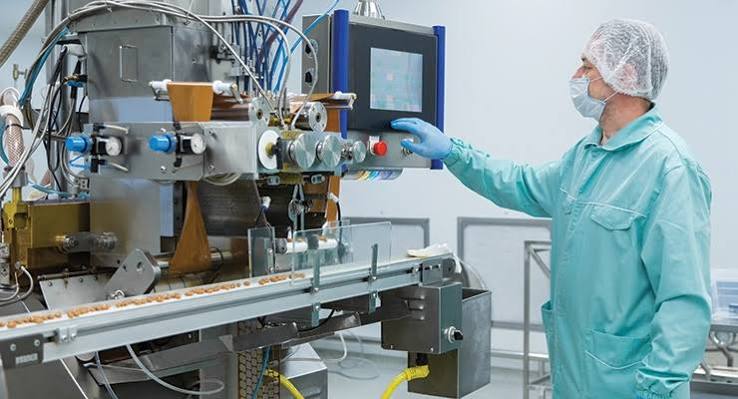
Batch blending combines a predetermined quantity of ingredients inside a mixing vessel or blender. Operators measure and load each component according to an approved formulation, mix the materials for a specified period and discharge the finished batch.
This method is suitable for specialty chemicals, customized formulations and products that require strict batch identification. It also provides flexibility when manufacturers produce several grades or change recipes frequently.
However, batch operations require careful weighing, loading and documentation. Errors in ingredient quantities or mixing conditions can create differences between production batches.
Continuous blending
Continuous blending feeds raw materials into a mixing system at controlled rates while the finished blend exits the equipment continuously. Automated feeders, flow meters and proportioning systems help maintain the required ingredient ratios.
Manufacturers often use continuous blending for high-volume production where formulations remain relatively stable. It can improve throughput, reduce repeated loading activities and integrate with other continuous manufacturing operations.
The University of Michigan's Visual Encyclopedia of Chemical Engineering explains that batch systems suit smaller quantities and frequently changing formulas, while continuous systems are commonly selected for higher production rates and multiple process streams.
encyclopedia.che.engin.umich.edu+1
Liquid, powder and solid-liquid blending
Liquid blending combines compatible fluids to achieve a consistent composition. Agitators, impellers, static mixers and recirculation systems help distribute ingredients throughout the vessel. Some formulations also require heating or cooling to achieve the required viscosity or stability.
Powder blending combines dry materials such as pigments, mineral additives, chemical powders and fertilizer ingredients. Equipment may include ribbon blenders, tumble mixers, paddle mixers and high-intensity mixers.
Solid-liquid blending disperses powders or other solid materials into a liquid carrier. Manufacturers use this method in applications such as coatings, suspensions and selected industrial formulations. The equipment must provide enough movement to distribute the solids and reduce settling or agglomeration.
Equipment Used in Industrial Chemical Blending
Equipment selection influences product uniformity, processing time, energy consumption and maintenance requirements. Manufacturers consider viscosity, density, particle size, material compatibility, batch volume and the required mixing intensity before choosing a blending system.
Mixing tanks and agitators
Mixing tanks provide the space for combining liquid ingredients. Their design may include heating or cooling jackets, internal baffles, level instruments and controlled material inlets.
Agitators generate movement inside the vessel. Impeller design and operating speed depend on the formulation. Low-viscosity liquids may require relatively simple agitation, while thicker materials can need specialized impellers and greater mechanical power.
Static and inline mixers
Static mixers use fixed internal elements to divide and recombine flowing materials as they pass through a pipe. They do not require a rotating mixing shaft inside the mixing section.
Inline systems can reduce the need for large mixing vessels and support continuous operations. They are useful when manufacturers need to combine compatible liquid streams at controlled flow rates.
Powder blenders and dosing equipment
Ribbon blenders, paddle mixers and tumble blenders handle dry ingredients with different particle characteristics. The choice depends on the required blending intensity, material flow and risk of segregation.
Dosing equipment controls how much of each ingredient enters the system. Load cells, weighing systems, feeders and flow meters help maintain formulation accuracy. The equipment must also match the plant's expected production capacity.
Quality Control in Chemical Blending Operations
Quality control ensures that the finished blend meets its approved formulation and customer specifications. A product can appear uniform while still containing variations in concentration, viscosity or other important properties. Manufacturers therefore combine raw material inspection, process monitoring and finished-product testing.
Raw material inspection
The quality process begins before ingredients enter the blending equipment. Suppliers' certificates of analysis, material specifications and batch identification records help manufacturers confirm that incoming materials meet requirements.
Depending on the chemical and its intended use, inspection may include purity, moisture content, density, colour, particle size and contamination checks. Materials that fail acceptance criteria should be held for investigation rather than introduced into production.
Monitoring blending parameters
Operators monitor critical process variables throughout production. These may include:
Ingredient quantities and addition sequence
Mixing speed and processing duration
Temperature and pressure
Flow rates in continuous systems
pH, viscosity or density where relevant
Equipment condition and operating status
The appropriate limits depend on the formulation. For example, a temperature-sensitive product may require close thermal control, while a powder blend may need particular attention to particle distribution and mixing time.
Sampling and laboratory testing
Manufacturers collect representative samples to check whether the blend meets its specifications. Testing may cover chemical composition, concentration, viscosity, density, pH, moisture and appearance.
Sampling methods must reflect the type of product and the design of the blending system. For powder blends, differences between sampling locations can reveal incomplete mixing or segregation. The FDA highlights the importance of scientifically sound sampling plans and in-process testing when assessing powder blend quality

Batch records and traceability
Documentation connects the finished product with the raw materials and process conditions used to manufacture it. Batch records should identify ingredient lots, quantities, processing parameters, operator checks, test results and release decisions.
Traceability helps manufacturers investigate complaints, identify the source of quality deviations and manage product recalls when necessary. The FDA's guidance for active pharmaceutical ingredients also emphasizes documenting blending operations and maintaining traceability to the individual batches incorporated into a blend.
FDA
Improving Production Efficiency and Reducing Operational Costs
Efficient chemical blending requires more than increasing mixer speed or shortening processing time. Manufacturers need to balance throughput with product quality, equipment reliability and safe operating conditions.
Optimize mixing time and energy consumption
Excessive mixing can waste energy and reduce production capacity without delivering meaningful improvements in uniformity. Insufficient mixing, on the other hand, can create inconsistent products and increase rejection rates.
Manufacturers can conduct trials to establish suitable mixing times, speeds and equipment settings for each formulation. Monitoring energy use and comparing it with batch performance can also reveal opportunities to improve operating efficiency.
Automate weighing and process control
Automated dosing and control systems reduce reliance on manual measurements. Programmable logic controllers, flow meters, load cells and process sensors can help maintain ingredient ratios and operating conditions.
Automation also supports repeatable production. Operators can use recorded process data to investigate deviations and compare performance between batches.
Reduce changeover time and material waste
Cleaning and preparing equipment between formulations can consume significant production time. Manufacturers can improve changeovers through planned cleaning procedures, suitable equipment design and clear scheduling of compatible products.
Accurate dosing, controlled transfers and suitable vessel design can also reduce material left in tanks and pipelines. These improvements help lower waste and reduce the cost of rework.
Apply preventive maintenance
Worn agitator components, damaged seals, faulty sensors and blocked transfer lines can interrupt production or affect product quality. Preventive maintenance schedules help identify equipment problems before they cause unexpected downtime.
Manufacturers should inspect mixing equipment, pumps, valves, instruments and safety systems according to operating conditions and equipment requirements.
Safety, Environmental and Operational Considerations
Chemical blending facilities must manage risks associated with raw materials, equipment operation and finished products. These risks vary according to chemical properties, including flammability, corrosiveness, toxicity and reactivity.
Chemical handling and process safety
Manufacturers should maintain appropriate storage, handling and transfer procedures for every material. These procedures may include compatible storage arrangements, ventilation, suitable personal protective equipment, spill-control systems and clearly identified transfer lines.
Operators should also follow documented procedures for equipment start-up, normal operation, shutdown and emergency response. For processes involving highly hazardous chemicals, OSHA's process safety management guidance emphasizes operating procedures, defined operating limits and safety-system requirements.
Occupational Safety and Health Administration
Waste management and environmental controls
Blending operations can generate waste through spills, equipment cleaning, off-specification batches and unused raw materials. Manufacturers can reduce these losses through accurate dosing, controlled transfers and appropriate production planning.
Wastewater, cleaning residues and chemical packaging should be managed according to the properties of the materials and applicable environmental requirements. Facilities should also monitor energy and water consumption to identify opportunities for more sustainable production.
Key Considerations for Chemical Buyers and Manufacturers
Selecting a chemical blending partner requires evaluating more than production capacity. Buyers should assess whether a manufacturer can consistently produce the required formulation, maintain quality standards and deliver within agreed specifications.
Important considerations include:
Formulation capability: Confirm that the manufacturer can handle the required ingredients, concentrations and material properties.
Equipment suitability: Check whether its tanks, mixers, feeders and transfer systems match the product requirements.
Quality assurance: Review testing procedures, certificates of analysis and batch-release practices.
Production flexibility: Evaluate minimum order quantities, batch sizes and the ability to manage customized formulations.
Traceability: Confirm that raw material lots and finished batches can be tracked through production records.
Safety and compliance: Review chemical handling procedures, equipment safeguards and relevant regulatory requirements.
Delivery performance: Assess production lead times, packaging options, storage capacity and supply reliability.
Chemical blending operations connect formulation accuracy with manufacturing performance. By selecting suitable equipment, controlling critical process parameters and applying consistent quality checks, manufacturers can improve product uniformity, reduce operational waste and maintain reliable production.
For procurement teams, working with capable blending partners can also improve supply consistency and support the development of products that meet specific industrial requirements.
Ready to source Xylene from verified global suppliers? Explore competitive offers on our platform today.
Sources:
University of Michigan: Mixers - Visual Encyclopedia of Chemical Engineering
FDA: Questions and Answers on Current Good Manufacturing Practice Regulations
FDA: Q7A Good Manufacturing Practice Guidance for Active Pharmaceutical Ingredients
Chemical Engineering: Fundamentals of Bulk Solids Mixing and Blending
OSHA: Process Safety Management of Highly Hazardous Chemicals
Xylene
Found this useful?