Propylene Production Technologies and Global Market Growth
Propylene production has traditionally relied on steam cracking and refinery operations. However, growing demand for polypropylene and other derivatives has encouraged investment in dedicated production technologies that manufacture propylene independently of ethylene or refinery fuel production.
The selection of a production route depends on feedstock availability, energy costs, plant configuration, product yields and regional market economics.
Steam Cracking
Steam cracking is a major source of propylene production. The process involves heating hydrocarbon feedstocks, including naphtha, ethane, propane and other hydrocarbons, at high temperatures with steam.
The resulting mixture contains several valuable products, including ethylene, propylene, butadiene and other hydrocarbons.
Propylene output depends heavily on the selected feedstock:
Naphtha cracking: Produces a relatively diverse range of olefins and generally generates more propylene than ethane-based cracking.
Ethane cracking: Primarily targets ethylene and produces comparatively limited propylene as a coproduct.
Propane cracking: Generates ethylene and propylene, with yields depending on operating conditions.
Steam cracking remains important because producers can integrate propylene recovery with existing ethylene manufacturing operations.
Fluid Catalytic Cracking (FCC)
Fluid Catalytic Cracking is a refinery process that converts heavier petroleum fractions into lighter hydrocarbons.
The process uses a powdered catalyst at elevated temperatures to break large hydrocarbon molecules into smaller products. These include gasoline components, liquefied petroleum gases and propylene.
Refineries can increase propylene production through high-severity FCC operations by adjusting operating conditions and catalysts.
FCC-derived propylene provides an important supply source for integrated refinery and petrochemical facilities. Its availability depends on refinery utilization, crude processing volumes and gasoline market economics.
Propane Dehydrogenation (PDH)
Propane Dehydrogenation is an on-purpose technology that converts propane directly into propylene.
The process removes hydrogen from propane through catalytic reactions at elevated temperatures.
The simplified chemical reaction is:
\[ C_3H_8 \rightarrow C_3H_6 + H_2 \]
PDH technology offers several advantages:
Dedicated production: Facilities can manufacture propylene independently of ethylene production.
Feedstock flexibility: Producers can use propane sourced from natural gas processing and petroleum refining.
Hydrogen recovery: The process generates hydrogen as a valuable coproduct.
Product focus: Operators can optimize production around propylene demand.
China and North America have invested significantly in PDH capacity, supported by propane availability and demand from polypropylene manufacturers.
However, profitability depends on the spread between propane feedstock costs and propylene selling prices. Higher propane prices or weaker propylene demand can reduce operating margins.
Metathesis Technology
Olefin metathesis produces propylene by rearranging carbon-carbon double bonds between different olefin molecules.
One important industrial pathway combines ethylene and butenes to produce propylene.
The simplified reaction is:
\[ C_2H_4 + C_4H_8 \rightarrow 2C_3H_6 \]
This technology allows producers to utilize available olefin streams and improve the value of existing petrochemical feedstocks.
Metathesis can be particularly useful in integrated facilities where ethylene and butenes are readily available.
Methanol-to-Olefins and Coal-to-Olefins
Methanol-to-Olefins (MTO) technology converts methanol into light olefins, including ethylene and propylene, through catalytic processes.
Methanol can originate from natural gas, coal or other carbon-containing feedstocks.
Coal-to-Olefins (CTO) follows a related production pathway in which coal undergoes gasification to produce synthesis gas. The synthesis gas is converted into methanol, which can then be processed into olefins.
These technologies provide alternative routes for regions with significant coal or methanol resources. However, their economics depend on feedstock prices, energy requirements, water availability and environmental regulations.
Industrial Applications of Propylene Across Global Industries
Propylene has limited direct consumer applications. Its importance comes primarily from its conversion into downstream chemicals and polymer materials used across manufacturing industries.
Polypropylene represents its largest consumption segment, while propylene oxide, acrylonitrile, oxo alcohols and cumene support other important industrial value chains.
Polypropylene: The Largest Propylene Derivative
Polypropylene is produced through the polymerization of propylene using suitable catalyst systems.
It is one of the most widely used thermoplastics because of its combination of chemical resistance, low density, durability and processing flexibility.
Major applications include:
Packaging: Food containers, flexible packaging, bottle caps and protective films.
Automotive: Interior panels, bumpers, battery components and lightweight vehicle parts.
Textiles: Nonwoven fabrics, carpets, fibres and industrial textiles.
Consumer goods: Household storage products, furniture components and appliances.
Healthcare: Medical packaging, laboratory containers and selected disposable medical products.
Growth in packaging, automotive manufacturing and consumer goods directly influences polypropylene production and therefore propylene consumption.
Propylene Oxide and Polyurethane Manufacturing
Propylene oxide is an important intermediate used in the manufacture of polyether polyols and propylene glycol.
Polyether polyols react with isocyanates to produce polyurethane materials used in furniture, mattresses, insulation panels and automotive seating.
Propylene glycol serves applications in:
Personal care and cosmetic formulations.
Pharmaceutical and food-related applications where appropriate grades meet regulatory requirements.
Industrial heat-transfer fluids.
Unsaturated polyester resin production.
Demand for propylene oxide depends on polyurethane manufacturing, construction activity, automotive production and industrial chemical consumption.
Acrylonitrile and Synthetic Fibre Production
Acrylonitrile is manufactured primarily through the ammoxidation of propylene, using ammonia and oxygen in the presence of a catalyst.
It supports the production of several important materials:
Acrylic fibres used in clothing, carpets and textiles.
Acrylonitrile butadiene styrene (ABS) plastics.
Nitrile rubber used in industrial and protective applications.
Carbon fibre precursor materials for advanced manufacturing.
Automotive components, electronics, textiles and industrial equipment therefore contribute to acrylonitrile-related propylene demand.
Oxo Alcohols and Industrial Solvents
Propylene also serves as a feedstock for oxo alcohol production through hydroformylation followed by hydrogenation.
Important products include butanol and 2-ethylhexanol.
These chemicals support plasticizer manufacturing, coatings, adhesives, solvents and other industrial formulations.
2-Ethylhexanol is particularly important in the production of plasticizers used to improve the flexibility of PVC products.
Cumene and Phenol Production
Cumene is produced by reacting benzene with propylene. It serves as the primary intermediate for manufacturing phenol and acetone through the cumene process.
Phenol supports the production of phenolic resins, polycarbonates and other industrial chemicals, while acetone is used in solvents, coatings and chemical manufacturing.
This creates another important connection between propylene demand and the wider petrochemical industry.
Regional Propylene Market Growth and Supply Developments
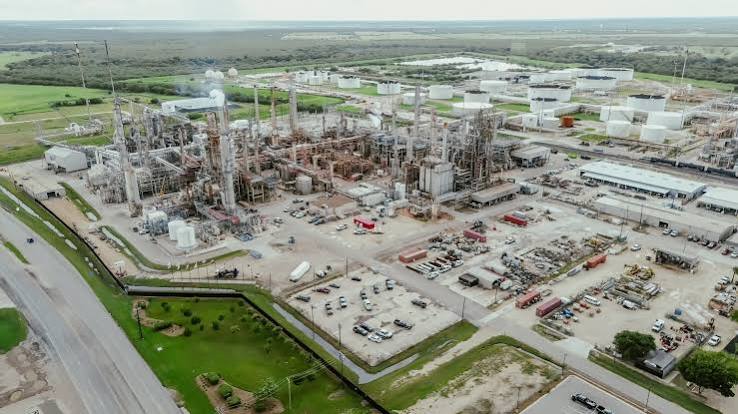
Propylene production and consumption vary across regions depending on refinery infrastructure, feedstock availability and downstream manufacturing capacity.
Asia-Pacific
Asia-Pacific is a major centre of propylene production and consumption, with China playing an increasingly influential role.
China has expanded dedicated PDH facilities and integrated petrochemical complexes to strengthen domestic propylene availability. Its polypropylene, propylene oxide and acrylonitrile industries create substantial demand for the chemical.
According to ICIS's August 2026 market outlook, China's capacity expansion is increasing supply pressure across the Asian C3 value chain. Weak downstream demand and limited derivative margins are also restricting price recovery.
ICIS
South Korea, Japan, Taiwan and Southeast Asian countries also maintain important propylene production and trading networks. India represents an additional demand market because of its growing plastics, automotive and chemical manufacturing industries.
North America
North America benefits from abundant natural gas liquids and established petrochemical infrastructure.
The United States has developed substantial PDH capacity, supported by access to competitively priced propane. Integrated facilities also recover propylene from steam crackers and refinery operations.
Regional producers supply polypropylene manufacturers and other chemical industries. However, propane prices, plant operating rates and export demand influence production profitability.
Middle East
The Middle East maintains an important position in global petrochemical supply because of its hydrocarbon resources and integrated refining infrastructure.
Saudi Arabia, Qatar and the United Arab Emirates support propylene production through refinery-linked operations and dedicated petrochemical facilities.
The region also benefits from established export infrastructure connecting producers with Asian and European customers. However, geopolitical developments and maritime disruptions can affect shipping schedules and delivered costs.
Europe
European propylene producers face competition from imported polypropylene and pressure from energy and manufacturing expenses.
According to S&P Global's H1 2026 chemical industry assessment, European polypropylene imports have reduced demand for locally produced material, contributing to challenges for regional propylene producers.
S&P Global
European producers are therefore reviewing operating efficiency, production costs and the competitiveness of older petrochemical facilities.
Propylene Prices and Key Market Influences
Propylene prices depend on regional supply-demand balances, feedstock economics, refinery operations and downstream purchasing activity.
Because production routes differ, producers can experience different cost structures even when they sell into the same regional market.
Propane and Naphtha Feedstock Costs
Feedstock economics are particularly important for PDH and steam cracking facilities.
Propane prices: Directly influence PDH production costs and operating margins.
Naphtha prices: Affect steam cracker economics and the competitiveness of naphtha-based propylene.
Crude oil movements: Influence petroleum-based feedstock costs and refinery economics.
Natural gas markets: Affect the competitiveness of natural gas liquids and associated feedstock supply.
Producers with access to competitively priced feedstocks can maintain stronger margins during periods of market pressure.
Polypropylene Demand and Inventory Levels
Polypropylene represents the largest outlet for propylene, making polymer manufacturing conditions an important pricing indicator.
When polypropylene manufacturers increase operating rates, their propylene requirements generally rise.
However, high resin inventories, weak consumer demand and reduced manufacturing activity can encourage producers to limit purchases. This may create downward pressure on propylene prices even when production costs remain elevated.
Production Capacity and Plant Utilization
New production facilities can increase market availability and intensify competition among suppliers.
Krungsri Research reported that the propylene spread declined by 13.3% year-on-year to USD 197.4 per tonne in its 2026 assessment, reflecting weaker polypropylene demand and China's expanding PDH capacity.
Unexpected plant shutdowns, maintenance schedules and feedstock disruptions can nevertheless create temporary regional shortages.
Sustainability and Emerging Propylene Production Technologies
Environmental considerations are becoming increasingly important in petrochemical manufacturing.
Conventional propylene production depends heavily on fossil-based feedstocks and energy-intensive industrial processes. Producers are therefore exploring technologies that can improve energy efficiency and reduce carbon emissions.
Important developments include:
Bio-based propylene: Research focuses on converting renewable feedstocks into propylene or suitable chemical intermediates.
Recycling integration: Chemical recycling can generate hydrocarbon feedstocks that may enter existing petrochemical production systems.
Process electrification: Electrified industrial equipment can reduce direct fuel-related emissions when supported by lower-carbon electricity.
Catalyst improvements: More efficient catalyst systems can improve product yields and reduce unwanted byproducts.
Carbon capture: Industrial facilities can investigate carbon capture technologies to manage emissions from selected production processes.
The commercial success of these alternatives depends on production costs, technology maturity, feedstock availability and regulatory support.
Global Propylene Market Outlook for 2027 and Beyond
The global propylene industry is expected to continue evolving as producers invest in dedicated manufacturing technologies and downstream industries adjust their purchasing requirements.
Several developments will shape future market conditions:
Continued PDH investment: Dedicated propylene production will remain important in regions with competitive propane availability.
Polypropylene consumption: Packaging, automotive, textiles and consumer goods will remain major demand drivers.
Chinese capacity growth: Additional production capacity may continue creating supply pressure across international markets.
Regional production adjustments: Producers in Europe and other higher-cost markets may review operating rates and facility competitiveness.
Alternative technologies: MTO, metathesis and renewable feedstock pathways may create additional production opportunities.
Feedstock volatility: Changes in propane, naphtha and crude oil prices will continue influencing production economics.
S&P Global's Chemical Economics Handbook identifies steam cracking, refinery operations, PDH, metathesis and alternative olefin conversion processes as important components of the global propylene supply structure.
S&P Global
The long-term outlook will depend on how effectively downstream demand absorbs additional production capacity. Producers with integrated facilities, efficient operations and reliable feedstock access may maintain stronger competitive positions.
Key Considerations for Global Propylene Buyers
For chemical traders, procurement managers and polypropylene manufacturers, understanding production technologies can improve supplier evaluation and purchasing decisions.
The following considerations can support a more effective sourcing strategy:
Identify production routes: Understand whether suppliers manufacture propylene through steam cracking, FCC or PDH because each route has different feedstock economics.
Verify product specifications: Confirm polymer-grade or chemical-grade requirements, purity levels and relevant technical documentation.
Compare regional suppliers: Evaluate offers from Asia-Pacific, North America and the Middle East.
Monitor feedstock prices: Track propane, naphtha and crude oil movements to understand potential changes in supplier quotations.
Evaluate downstream demand: Follow polypropylene, propylene oxide and acrylonitrile markets for purchasing signals.
Calculate total landed costs: Include freight, insurance, handling, storage and applicable import duties.
Assess supply reliability: Review production capacity, delivery commitments, quality consistency and alternative sourcing arrangements.
Buyers should also consider inventory requirements and contractual flexibility. Maintaining relationships with multiple qualified suppliers can help reduce exposure to production interruptions and sudden regional price movements.
Propylene will remain a critical building block for global plastics, automotive components, synthetic fibres and industrial chemicals. As production technologies evolve and new capacity enters the market, understanding feedstock economics and downstream demand will help businesses identify competitive sourcing opportunities. Ready to source Propylene Oxide from verified global suppliers? Explore competitive offers on our platform today.
Sources:
Propylene Oxide
Found this useful?