Potash and Phosphate Fertilizers: Global Market Dynamics
Potash and phosphate fertilizers are essential inputs for modern agriculture, supporting crop development, soil fertility and global food production. Their importance extends beyond farming because international fertilizer trade connects mineral producers, chemical manufacturers, distributors and agricultural buyers across multiple regions.
The global market for potash and phosphate fertilizers is experiencing different supply and pricing conditions. Potash availability remains relatively comfortable despite trade and logistics challenges, while phosphate markets face tighter production conditions, expensive raw materials and export disruptions. These differences create important considerations for importers, distributors and procurement managers planning their purchasing strategies.
Understanding global production centres, consumption patterns and price movements can help buyers identify sourcing opportunities and manage supply risks. Developments during 2026 also demonstrate how geopolitical events, energy costs and agricultural demand influence fertilizer availability.
Global Potash and Phosphate Fertilizer Market Overview
Potash and phosphate belong to the three primary plant nutrients required for agricultural production, alongside nitrogen. However, they perform different functions and follow distinct industrial supply chains.
Potash fertilizers supply potassium, which supports water regulation, enzyme activity, crop quality and resistance to environmental stress. The most widely traded commercial product is muriate of potash (MOP), chemically known as potassium chloride. Other products include potassium sulphate (SOP), which serves crops requiring lower chloride exposure.
Phosphate fertilizers supply phosphorus, an essential nutrient for root development, energy transfer and plant growth. Common commercial products include diammonium phosphate (DAP), monoammonium phosphate (MAP) and triple superphosphate (TSP).
These fertilizers differ in their production processes and raw material requirements:
Potash production relies on underground or solution-mined potassium-bearing deposits. Processing operations separate potassium minerals from other materials before producing commercial fertilizer grades.
Phosphate fertilizer manufacturing starts with phosphate rock. Producers process the mineral using sulphuric acid and other inputs to manufacture intermediate and finished phosphate products.
DAP and MAP production also requires ammonia, connecting phosphate supply chains with the wider nitrogen fertilizer industry.
The distinction matters for buyers because disruptions affecting one nutrient do not necessarily create identical conditions in the other.
Global Supply: Major Producing Countries and Exporters
The international fertilizer market depends on a relatively concentrated group of producers. Mining resources, processing capacity, infrastructure and export access influence their positions in global trade.
Major potash-producing regions
Canada remains a leading potash producer and exporter, supported by extensive mineral reserves and established mining infrastructure. Its production base gives international buyers access to substantial volumes for agricultural and industrial distribution.
Other important suppliers include:
Russia: A major potash producer with established mining and fertilizer manufacturing operations. International trade restrictions and changes in shipping routes influence its export relationships.
Belarus: An important supplier whose international market access has been affected by sanctions and transportation restrictions. Alternative export routes influence its ability to reach overseas customers.
China: A significant potash producer and consumer. Domestic production supports agricultural requirements while imports help balance local demand.
Laos: An increasingly relevant supplier as production capacity and exports contribute to additional availability in Asian fertilizer markets.
The World Bank reported in its April 2026 Commodity Markets Outlook that stronger shipments from Canada, Russia and Laos, alongside recovering Belarusian exports, were supporting a relatively well-supplied potash market.
Major phosphate-producing regions
Phosphate production depends heavily on access to phosphate rock, sulphur and ammonia. This creates a different geographical supply structure.
China: A major phosphate fertilizer producer with considerable manufacturing capacity. Export policies can influence international DAP and MAP availability.
Morocco: An important global source of phosphate rock and processed phosphate products, supported by extensive mineral reserves and integrated production operations.
Saudi Arabia: A significant phosphate fertilizer supplier with investments in mining, processing and export infrastructure.
Russia: Maintains an established phosphate fertilizer industry and participates in international fertilizer trade.
United States: Produces phosphate rock and finished fertilizers, serving domestic agricultural requirements and selected export markets.
The geographical concentration of phosphate resources makes international buyers particularly sensitive to production interruptions and changes in export availability.
Demand Trends Across Global Agricultural Markets
Global fertilizer consumption reflects agricultural production, crop economics, food requirements and government policies. Potash and phosphate demand also varies according to soil conditions and the nutrient requirements of individual crops.
Potash demand in major importing markets
Potash consumption benefits from agricultural activities that require balanced potassium nutrition. Brazil is an important importing market because of its large-scale soybean, corn and other crop production.
Other major demand centres include:
India: Agricultural demand and government fertilizer support programmes influence potash import requirements.
China: Domestic production and international imports support the country's extensive agricultural sector.
Brazil: Large agricultural operations and potassium-deficient soils contribute to substantial import dependence.
Southeast Asia: Plantation agriculture, particularly oil palm cultivation, supports demand for potassium-based fertilizers.
North America: Established farming operations create consistent requirements for crop nutrient replenishment.
Nutrient affordability also affects purchasing decisions. When crop prices improve relative to fertilizer costs, farmers may become more willing to maintain or increase fertilizer application.
Phosphate demand and agricultural applications
Phosphate fertilizers support crops that require sufficient phosphorus during early development and throughout their growing cycles.
Major agricultural applications include:
Cereals: Wheat, rice and corn production require phosphorus to support root establishment and crop development.
Oilseeds: Soybeans and other oilseed crops require phosphorus for healthy growth and reproductive development.
Fruits and vegetables: Phosphorus supports root development and overall plant establishment.
Plantation crops: Commercial agriculture uses phosphate products to maintain nutrient availability across production cycles.
The International Fertilizer Association's 2026–2030 medium-term outlook provides a useful framework for understanding how agricultural nutrient demand may develop over the coming years.
Potash and Phosphate Fertilizer Price Trends in 2026
Fertilizer prices respond to production costs, international trade conditions, agricultural demand and transportation expenses. However, potash and phosphate prices do not always move together because their production systems have different dependencies.
Potash prices and supply availability
Potash prices have shown greater supply resilience compared with several other fertilizer categories during 2026. Increased export availability from established producers has helped maintain market supply despite geopolitical and logistical uncertainty.
According to the World Bank's April 2026 Commodity Markets Outlook:
Muriate of potash prices increased by more than 5% during the first quarter of 2026.
Prices stood approximately 17% above their level one year earlier.
The World Bank projected an average increase of around 12% for 2026.
Its outlook anticipated a potential decline of approximately 6% in 2027.
These projections reflected expectations of adequate supply and additional production capacity, particularly from Canada.
Nutrien's November 2026 third-quarter update also maintained its forecast for global potash shipments at 74–77 million tonnes in 2026. The company projected shipments of 75–79 million tonnes in 2027, indicating continued demand growth.
Phosphate prices and production costs
Phosphate fertilizer markets face a more complicated cost structure. Producers depend on phosphate rock, sulphur and ammonia, making manufacturing expenses sensitive to disruptions in several related commodity markets.
In 2026, restrictions affecting international shipping and raw material availability increased pressure on phosphate production.
The International Food Policy Research Institute reported that phosphate fertilizer prices increased by approximately 30% following the beginning of the Middle East conflict and remained around those higher levels from mid-May 2026.
Its analysis also identified declining phosphate exports during the first half of 2026. Reduced shipments from several major producing countries demonstrated how shortages of essential feedstocks can affect finished fertilizer availability.
For importers, these developments mean that quoted DAP and MAP prices should be evaluated alongside origin, shipment timing and the supplier's access to raw materials.
Factors Affecting Global Fertilizer Supply and Pricing
Several interconnected factors influence the commercial availability and pricing of potash and phosphate fertilizers.
1. Raw material and energy costs
Potash mining requires substantial investment in extraction, processing and transportation. Electricity, equipment maintenance and logistics contribute to operating expenses.
Phosphate manufacturing has additional exposure to sulphur and ammonia prices. Sulphur is particularly important because producers use it to manufacture sulphuric acid, which helps process phosphate rock.
Higher feedstock costs can reduce producer margins and encourage manufacturers to adjust production rates.
2. International trade restrictions
Export policies can change the availability of fertilizers in international markets. Restrictions, sanctions and changes in customs requirements may redirect shipments or reduce the number of available suppliers.
China's phosphate export policies remain particularly relevant to international DAP and MAP buyers. Changes in export availability can influence competition among suppliers and affect purchasing decisions in importing countries.
3. Geopolitical developments and shipping routes
International shipping disruptions can increase freight expenses and extend delivery schedules. The Strait of Hormuz is particularly important for fertilizer-related raw materials, including sulphur and ammonia.
The World Bank and other market analysts have highlighted how disruptions affecting this route can influence fertilizer production and international trade.
4. Agricultural commodity prices
Crop economics influence farmers' ability and willingness to purchase fertilizers.
When soybean, wheat and corn prices provide attractive returns, agricultural producers may maintain fertilizer application programmes. However, weaker crop economics or limited access to credit can encourage farmers to postpone purchases.
5. Seasonal purchasing patterns
Fertilizer demand follows agricultural planting and application cycles. Buyers often increase purchasing activity before major planting seasons, creating periods of stronger import demand.
Importers that understand regional agricultural calendars can plan purchases earlier and reduce exposure to last-minute price increases.
Supply Chain Challenges and International Trade Developments
Potash and phosphate fertilizers follow different supply chains, but both depend on reliable transportation, suitable storage facilities and consistent access to international markets.
Potash supply is concentrated among a limited number of mining countries. Disruptions affecting major producers or export routes can therefore influence regional availability even when global production remains adequate.
Phosphate supply chains face additional challenges because producers depend on multiple industrial inputs. A shortage of sulphur or ammonia can affect manufacturing operations even when phosphate rock remains available.
Other important supply chain considerations include:
Freight availability: Vessel shortages and higher shipping costs can increase the landed price of imported fertilizer.
Port infrastructure: Limited handling and storage capacity can delay cargo movement during periods of high demand.
Supplier concentration: Dependence on a small number of exporters increases exposure to production and trade disruptions.
Import regulations: Customs procedures, product specifications and documentation requirements can affect shipment clearance.
Inventory management: Insufficient stocks can expose distributors to unexpected price movements and delayed replenishment.
For international traders, monitoring both fertilizer production and upstream raw material markets provides a clearer picture of potential supply disruptions.
Market Outlook for 2027 and Beyond
The potash and phosphate fertilizer markets are expected to follow different supply and demand patterns as producers expand capacity and international agricultural requirements evolve.
Potash market outlook
Potash availability could improve further as new mining projects and production expansions enter commercial operations. Canada remains particularly important because additional capacity from established producers could strengthen global export availability.
Nutrien expects global potash shipments to reach 75–79 million tonnes in 2027. This outlook suggests continued demand growth, although actual market conditions will depend on agricultural economics, production performance and international trade flows.
Potential price moderation could create opportunities for importers to negotiate more competitive supply contracts. However, project delays, infrastructure constraints and unexpected shipping disruptions could limit the impact of additional production.
Phosphate market outlook
Phosphate markets face greater uncertainty because of their dependence on sulphur, ammonia and phosphate rock. Continued pressure on these inputs could influence manufacturing costs and limit the ability of producers to increase output.
Investment in integrated phosphate production facilities may improve long-term supply resilience. Producers with access to raw materials, processing infrastructure and established export networks could maintain stronger competitive positions.
Demand from major agricultural markets, particularly India, Brazil and the United States, will remain important for international phosphate trade.
What Global Fertilizer Buyers Should Consider
Procurement teams need to evaluate more than the quoted price when sourcing potash and phosphate fertilizers. Product specifications, supplier reliability and delivery conditions can significantly influence the overall purchasing decision.
The following practices can help buyers manage international fertilizer procurement:
Diversify supplier origins: Avoid depending entirely on one producing country. Evaluate alternative suppliers to reduce exposure to export restrictions and regional disruptions.
Compare fertilizer grades: Check nutrient concentration and product specifications before comparing commercial quotations. DAP, MAP, MOP and SOP serve different agricultural requirements.
Monitor raw material markets: Track sulphur, ammonia and phosphate rock developments to understand potential changes in phosphate fertilizer production costs.
Evaluate landed costs: Include freight, insurance, customs charges, handling and inland transportation when calculating the actual procurement cost.
Plan purchases around agricultural seasons: Align import schedules with regional planting cycles to reduce emergency purchasing and inventory pressure.
Verify supplier documentation: Request relevant product specifications, certificates of analysis and safety documentation before confirming orders.
Monitor market developments: Follow international fertilizer prices, production announcements and trade policy changes to identify emerging supply risks.
Buyers should also distinguish between short-term price fluctuations and longer-term market fundamentals. A temporary increase in freight costs does not necessarily indicate a structural shortage, while sustained production constraints can affect availability over several purchasing cycles.
Potash and phosphate fertilizers will continue to play an important role in global agricultural supply chains. Their market performance will depend on production capacity, raw material availability, international trade conditions and the financial position of agricultural buyers.
For procurement professionals, maintaining supplier flexibility and monitoring commodity developments can improve purchasing decisions in an increasingly interconnected fertilizer market.
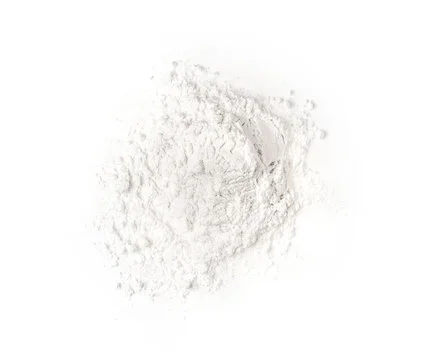
Diammonium Phosphate (Technical 18-46) - Morocco
Found this useful?