Australia Tests Electric DRI Smelting for Lower-Emission Iron Metal Production
Australia's iron and steel industry is testing a new approach to iron metal production, with Fortescue and Metso producing first hot metal at a pilot facility in Christmas Creek. The project uses direct reduced iron, or DRI, together with electric smelting technology to investigate a lower-emission pathway for turning iron ore into metal.
The development matters beyond the mining sector. For chemical traders, industrial buyers and procurement teams, changes in ironmaking can influence demand for processing technologies, reducing agents, energy inputs and materials used throughout the metals value chain. The Christmas Creek project also provides a practical test of how Australia's major iron ore resources could support future lower-emission metal production.
Why the Christmas Creek Project Matters
The Christmas Creek Green Metal Project sits in Western Australia's Pilbara region, one of the world's major iron ore producing areas. Fortescue and Metso are using the pilot to test technology that could help produce metal from Pilbara ore while reducing the emissions associated with conventional ironmaking.
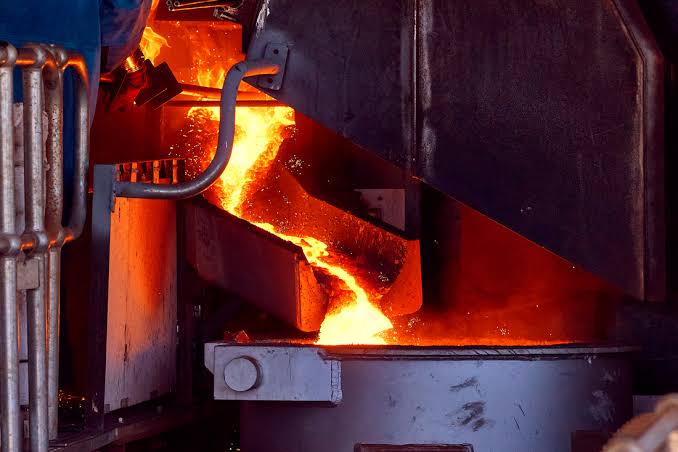
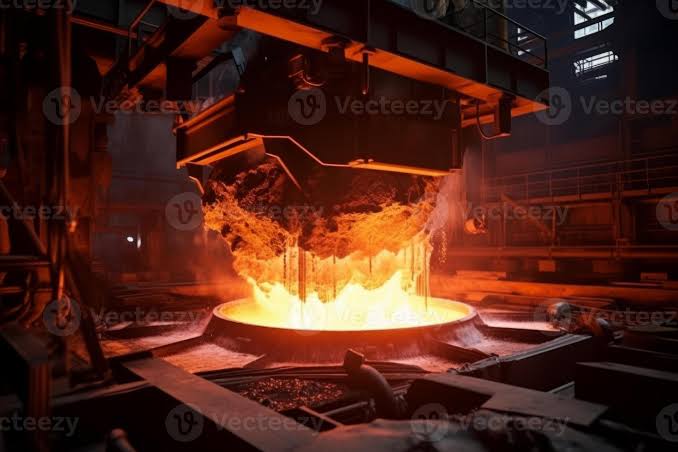
The project has reached an important technical milestone by producing its first hot metal. This demonstrates that the electric smelting process can successfully produce molten iron under pilot conditions, giving the companies operational experience as they work toward larger-scale applications.
For the Australian mining industry, the project also represents a potential shift from simply exporting iron ore toward processing more of that resource domestically. Producing metal closer to the source could create additional value within the Australian industrial supply chain.
The pilot therefore has two important dimensions. It tests an alternative ironmaking route while also exploring how Australia can use its iron ore resources in a lower-emission industrial model.
How Electric DRI Smelting Changes the Ironmaking Route
Traditional ironmaking relies heavily on blast furnace technology and carbon-intensive inputs. The DRI route takes a different approach by first reducing iron ore to direct reduced iron before sending the material to a smelting stage.
At Christmas Creek, Metso's technology combines DRI processing with an electric DRI Smelting Furnace. The approach is designed to support the production of high-quality iron units that can move into downstream steelmaking.
The distinction is important for procurement teams because a change in process technology can also change the type and specification of inputs required. Energy systems, reductants, ore preparation equipment and furnace technologies all become part of the sourcing equation.
Metso has developed its DRI smelting technology to address iron ore resources that can present challenges for conventional DRI routes. The technology is intended to broaden the range of ores that could potentially be considered for lower-emission ironmaking.
What First Hot Metal Means for Industrial Buyers
Producing first hot metal does not simply represent a production milestone. It provides operating experience that can help companies evaluate equipment performance, process conditions and material behaviour before moving toward larger facilities.
For buyers and traders, several areas deserve attention as the technology develops:
Iron ore specifications: Alternative processing routes could influence which ore grades and compositions are commercially attractive for future ironmaking projects.
Energy requirements: Electric smelting increases the importance of reliable and competitively priced electricity, particularly where lower-emission production is the objective.
Hydrogen demand: Hydrogen-based reduction can create additional demand for hydrogen production, storage, transport and related industrial equipment.
Furnace technology: Electric smelting introduces opportunities for equipment suppliers and service providers with experience in high-temperature industrial processing.
Downstream steelmaking: The quality and consistency of the resulting iron units will remain important for steel producers assessing new feedstock options.
These factors could create new procurement categories as pilot projects progress toward commercial-scale operations.
Australia's Opportunity to Add More Value to Iron Ore
Australia has built a major global position around iron ore exports, particularly from Western Australia's Pilbara region. The Christmas Creek project explores whether part of that value chain can move further downstream through lower-emission iron and metal production.
This possibility could have significant implications for international trade. Instead of shipping only raw or processed iron ore, Australia could potentially supply higher-value iron products to steelmakers and industrial markets.
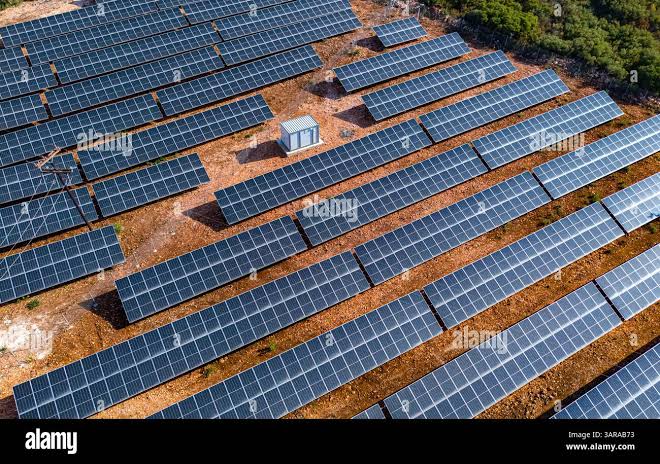
The project is also linked to Australia's renewable energy potential. Fortescue has positioned Christmas Creek as a location for testing renewable energy, hydrogen and electrification technologies alongside mining operations. The broader concept creates an opportunity to connect mining, energy production and metal processing within one industrial ecosystem.
For global buyers, this could eventually introduce additional sourcing options for lower-emission iron inputs. Steelmakers facing pressure to reduce the emissions associated with their supply chains may increasingly examine where their iron units originate and how they are produced.
Why Pilbara Ore Is Central to the Project
The choice of Christmas Creek is closely connected to the characteristics and availability of Pilbara iron ore. The region supplies a major share of the world's iron ore market, but not all ore types fit easily into existing lower-emission DRI processes.
This creates an important technical challenge. A successful alternative route needs to work with locally available resources rather than depending exclusively on a narrow supply of exceptionally high-grade ore.
Metso's DRI Smelting Furnace technology is being tested partly because it could help expand the range of iron ore resources considered suitable for lower-emission ironmaking. The company says the technology is intended to unlock resources that have previously faced limitations in conventional DRI steelmaking routes because of higher gangue content.
If this capability proves scalable, it could influence future investment decisions in regions with abundant iron ore but limited access to premium DRI-grade feedstock.
Hydrogen and Renewable Power Become Key Inputs
The shift toward lower-emission ironmaking places energy and hydrogen at the centre of procurement planning. Fortescue's Christmas Creek project incorporates hydrogen-based reduction and electric smelting, linking metal production with the availability of lower-emission energy.
This connection changes the industrial supply chain. Ironmaking is no longer viewed only through the availability and price of ore and fuel. Power infrastructure, hydrogen production capacity and electrical equipment also become critical considerations.
Fortescue has described its broader Christmas Creek development as a potential "green pit to product" pathway, connecting ore mining and processing with renewable power, hydrogen-based reduction and electric smelting.
For chemical and industrial suppliers, this transition could create demand across multiple supporting markets. Hydrogen-related equipment and materials, industrial gases, process chemicals, refractory products and maintenance inputs could all become relevant as projects move from pilot stages toward commercial operation.
What the Pilot Could Mean for Global Steel Supply Chains
The steel industry faces growing pressure to reduce emissions while maintaining reliable access to raw materials. New ironmaking routes could become increasingly important as steel producers evaluate alternatives to conventional blast furnace operations.
Australia's position gives the Christmas Creek project an additional strategic dimension. The country combines extensive iron ore resources with strong renewable energy potential, creating conditions that could support future lower-emission metal production.
The pilot could also help establish technical knowledge that other mining and steelmaking regions can use. Lessons from furnace operation, feed preparation and process control may influence future projects beyond Western Australia.
For international buyers, the main consideration is not only whether greener iron becomes available. It is whether producers can deliver consistent quality, competitive costs and dependable volumes at commercial scale.
Procurement Considerations as Green Iron Develops
Procurement teams should watch several developments as electric DRI smelting moves beyond pilot operations.
Technology readiness will remain a major consideration. Buyers should distinguish between pilot-scale performance and proven commercial-scale production when evaluating future supply opportunities.
Feedstock flexibility will also matter. Technologies that can process a wider range of iron ores could provide more resilient sourcing options and reduce dependence on limited high-grade resources.
Energy sourcing deserves close attention. Lower-emission metal production depends heavily on the availability, reliability and cost of suitable electricity and hydrogen.
Supply chain location may become another competitive factor. Producing metal closer to iron ore resources could change transportation patterns and create new regional hubs for downstream processing.
Product specifications will remain critical. Steelmakers and industrial users need confidence that alternative production routes can deliver iron products that meet their technical requirements consistently.
These considerations will shape purchasing decisions as the market moves from technology demonstration toward commercial deployment.
The Road From Pilot Production to Commercial Scale
The first hot metal milestone shows that the Christmas Creek project has moved beyond theoretical development. The next challenge is demonstrating that the process can operate consistently and economically while maintaining the required metal quality.
Fortescue has stated that commissioning will continue in stages so the team can test, refine and optimise the process before moving toward larger-scale production.
Metso's earlier project information indicated that the initial facility was designed around an annual output of more than 1,500 metric tons, with studies supporting potential commercial-scale development.
That progression will be closely watched by mining companies, steelmakers, equipment manufacturers and industrial suppliers. Success could strengthen the case for additional investment in electric smelting and hydrogen-based ironmaking.
The commercial opportunity will ultimately depend on more than technical performance. Capital costs, energy prices, feedstock availability, operating reliability and customer demand will all determine whether the model can compete with established ironmaking routes.
What Buyers Should Watch Next
Australia's first hot metal milestone provides a clear signal that the ironmaking sector is actively testing new ways to reduce emissions while using existing mineral resources. The Fortescue and Metso project brings together iron ore, DRI processing, hydrogen-based reduction and electric smelting in one pilot environment.
For procurement professionals, the development is a reminder that the future iron supply chain could require a broader set of industrial inputs and technologies. Companies supplying chemicals, process materials, energy-related products and equipment should monitor how these projects progress from pilot operation to commercial deployment.
The most important next step will be proving that the technology can scale while maintaining reliable production and commercially competitive economics. If that happens, Australia's role could extend beyond exporting iron ore toward supplying higher-value lower-emission iron products for global steelmaking.
Ferrous Sulfate Monohydrate
Found this useful?