Bentonite: Uses in Drilling Fluids, Foundries and Industrial Processing
Understanding Bentonite and Its Industrial Properties
Bentonite is a naturally occurring clay mineral that consists mainly of montmorillonite, a member of the smectite mineral group. Its ability to absorb water, swell, form stable suspensions and develop binding strength makes it valuable in drilling operations, metal casting and several industrial processes.
The commercial performance of bentonite depends on its mineral composition and physical properties. Sodium bentonite generally offers higher swelling capacity and water absorption, while calcium bentonite typically has lower natural swelling capacity. Manufacturers can also process or activate certain calcium bentonites to improve their performance for specific uses.
Bentonite's industrial value comes from several functional characteristics:
Swelling capacity: Allows selected grades to absorb water and expand, supporting sealing and drilling applications.
Thixotropic behaviour: Helps suspensions develop structure when stationary and flow when subjected to movement.
Binding strength: Enables bentonite to hold sand particles together in foundry moulds.
Viscosity development: Helps control the flow properties of drilling fluids and industrial suspensions.
Low permeability: Makes suitable grades useful in barriers and sealing systems.
Absorption capacity: Supports applications involving the absorption of liquids and impurities.
These characteristics vary by deposit, processing method and grade. Buyers should therefore select bentonite according to the technical requirements of the intended application rather than treating all grades as interchangeable.
Bentonite in Oil and Gas Drilling Fluids
The oil and gas industry is one of the major markets for industrial bentonite. Drilling contractors use selected bentonite grades in water-based drilling fluids to manage viscosity, support borehole stability and transport drilled material to the surface.
When mixed with water, suitable sodium bentonite forms a viscous suspension. This fluid circulates through the drilling system and carries rock cuttings away from the drill bit. It also helps cool and lubricate drilling equipment while reducing friction during operations.
Another important function involves filter-cake formation. Bentonite helps create a thin, low-permeability layer along the borehole wall, which limits fluid loss into surrounding formations. Maintaining suitable filtration behaviour helps drilling operators manage fluid circulation and borehole conditions.
Petrochem Performance Chemicals LLC+2
Drilling fluid performance depends on more than viscosity alone. Operators must consider fluid density, filtration, rheological behaviour and compatibility with the water used to prepare the mud.
Important purchasing specifications for drilling-grade bentonite include:
Viscometer readings: Indicate the viscosity development of the prepared slurry.
Yield point and plastic viscosity: Help describe the fluid's flow behaviour and ability to transport cuttings.
Filtration or fluid loss: Measures the amount of liquid that passes through a filter medium under specified test conditions.
Moisture content: Influences storage stability and the amount of dry material delivered.
Residue on sieve: Indicates the presence of coarse particles that may affect mixing and fluid preparation.
Swelling and dispersion: Affect the ability of bentonite to develop the required slurry properties.
Buyers should check whether a product meets the applicable drilling-fluid specification. ISO 13500 covers physical properties and test procedures for materials used in oil and gas well drilling fluids, including bentonite.
Specifications and tests+2
Bentonite as a Binder in Metal Foundries
Foundries use bentonite as a binder in green sand moulding, a widely established process for producing iron, steel and non-ferrous metal castings. The material helps hold moulding sand together and gives the mould enough strength to retain its shape during handling and metal pouring.
Green sand typically combines silica sand, bentonite, water and selected additives. The bentonite interacts with water and forms a binding layer around sand grains. This helps the mixture develop plasticity and strength while retaining the mould's required shape.
The quality of the binder affects mould performance and casting consistency. A suitable bentonite grade helps provide adequate green strength, dry strength and resistance to mould erosion. These properties reduce the risk of mould damage during production.
Recycled Materials Resource Center+2
Foundry operators must also consider how bentonite behaves under repeated heating and cooling. During casting, the mould faces exposure to molten metal temperatures. This can change the properties of the clay binder and influence its suitability for reuse in reclaimed sand systems.
Key purchasing considerations for foundry-grade bentonite include:
Green compression strength: Indicates the strength of the moist sand mixture.
Dry compression strength: Helps assess mould strength after moisture loss.
Methylene blue value or active clay content: Can help evaluate the active clay component.
Moisture requirement: Influences the amount of water needed during sand preparation.
Thermal stability: Affects performance during repeated casting cycles.
Particle size and fineness: Influence distribution through the moulding sand.
Compatibility with sand systems: Helps maintain consistent mould properties under actual production conditions.
Foundries should evaluate bentonite through laboratory testing and production trials. A grade that performs well in one sand system may not produce the same results in another because sand composition, moisture levels and casting conditions differ.
Other Industrial Processing Applications
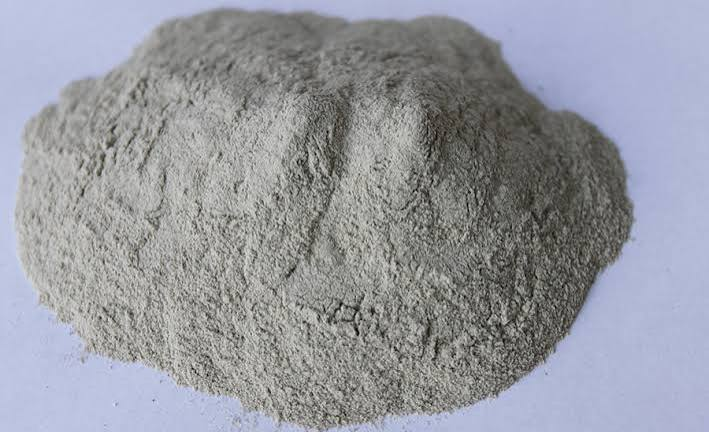
Beyond drilling and foundries, bentonite supports a range of industrial operations where binding, absorption, suspension or sealing properties are required. Its role varies according to the mineral grade and the processing conditions.
Iron ore pelletising
Steel producers use bentonite as a binder in iron ore pellet production. Fine iron ore particles require a binding material to help form pellets with sufficient strength for handling and transportation. Bentonite supports pellet formation and helps maintain the physical integrity of the pellets before further processing in ironmaking operations.
RMIS - Raw Materials Information System+1
Civil engineering and construction
Construction companies use bentonite suspensions in selected foundation and tunnelling operations. Its thixotropic behaviour helps support excavation walls and control fluid movement during processes such as diaphragm wall construction and horizontal directional drilling.
Bentonite also serves as a sealing material in ponds, landfill barriers and other containment systems. Its swelling behaviour and low permeability can help limit water movement when the material meets the required site and engineering specifications.
RMIS - Raw Materials Information System+2
Absorbents and filtration
Selected bentonite grades have applications in absorbent products, including industrial absorbents and cat litter. Processed bentonite can also support certain refining, clarification and decolourisation operations where its surface properties help remove unwanted materials.
Paper and coatings
Paper manufacturers use bentonite in selected processes such as pitch control, de-inking and retention systems. In paints and coatings, it can function as a thickening, suspension or anti-sag agent, depending on the formulation and grade.
Mineral Resources and Energy+1
These applications create demand for different product forms, including powder, granules and specially processed grades. Buyers should confirm the intended use before selecting a product because a drilling-grade material may not meet the requirements of an absorbent or coating application.
Bentonite Grades and Quality Specifications for Buyers
Industrial bentonite is not a single standardised product. Suppliers offer different grades according to mineral composition, processing method, particle size and end-use requirements.
Sodium bentonite is generally preferred where high swelling capacity, viscosity development and binding performance are important. It is widely used in drilling fluids, foundry moulding and selected sealing applications.
Calcium bentonite typically has lower natural swelling capacity. It is used in selected absorbent and industrial processing applications, while activation can improve certain properties depending on the intended use.
Activated bentonite refers to material that has undergone treatment to modify its performance. Buyers should ask suppliers to identify the activation process and provide test results that demonstrate suitability for the target application.
Before purchasing, industrial buyers should review the following specifications:
Montmorillonite content: Helps indicate the proportion of the principal active clay mineral.
Moisture content: Affects product handling, storage and delivered dry weight.
pH value: Helps assess suitability for specific formulations and processes.
Swelling index: Particularly relevant for sodium bentonite and sealing applications.
Particle size distribution: Influences mixing, dispersion and process performance.
Viscosity and filtration properties: Essential for drilling-fluid grades.
Binding strength: Important for foundry and pelletising applications.
Absorption capacity: Relevant to absorbent and selected processing grades.
A Certificate of Analysis (COA), Technical Data Sheet (TDS) and Safety Data Sheet (SDS) should accompany commercial supplies. Buyers should also request representative samples and confirm testing methods before accepting large shipments.
Global Supply and Bentonite Procurement Strategies
Bentonite supply depends on the location and quality of mineral deposits, processing capacity and access to industrial markets. Producers may sell raw or processed material, while specialised suppliers offer grades designed for drilling, foundry and other technical applications.
For international buyers, supplier evaluation should begin with the required grade and application. A drilling contractor may prioritise slurry viscosity and filtration performance, while a foundry may focus on mould strength and thermal behaviour.
Price comparisons should account for more than the quoted cost per tonne. Mineral quality, activation, grinding, moisture, packaging, freight and delivery terms can all influence the total procurement cost.
Buyers should also assess the supplier's ability to maintain consistent specifications across multiple shipments. Variations in swelling capacity, moisture or particle size can affect production performance and increase the need for process adjustments.
A practical sourcing strategy includes:
Define the intended application and required bentonite grade.
Share a technical specification with potential suppliers.
Request samples, COA, TDS and SDS documentation.
Compare laboratory results using consistent test methods.
Conduct production trials before approving bulk orders.
Confirm packaging, shipment schedules and quality-control procedures.
For recurring procurement, buyers should establish agreed specification limits and batch inspection requirements. This approach supports reliable supply and reduces the risk of receiving material that does not match the production process.
Market Outlook and Industrial Demand for Bentonite
Bentonite demand is linked to activity in energy, metal casting, steel production, construction and industrial processing. Drilling operations require suitable clay-based fluids, while foundries depend on consistent binders to maintain mould quality and production efficiency.
Infrastructure development can also support demand for bentonite in tunnelling, foundation construction and sealing systems. Meanwhile, iron ore pelletising creates another important industrial outlet for suitable binder grades.
Market opportunities vary by region and application. Industrial buyers should monitor local mineral availability, processing capacity, transportation costs and changes in end-user demand when planning procurement.
Suppliers that provide application-specific grades, consistent quality and reliable technical documentation can serve industrial customers more effectively. For buyers, the priority remains selecting material that delivers the required performance at a competitive total cost.
Bentonite's value across drilling fluids, foundries and industrial processing comes from its distinctive swelling, binding, absorption and suspension properties. Careful grade selection and supplier evaluation help manufacturers maintain product quality and improve operational consistency.
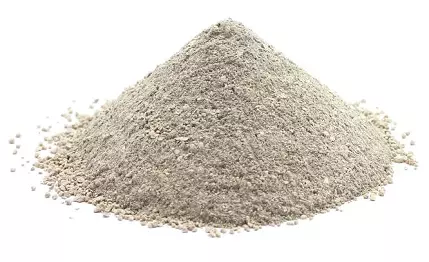
Bentonite
SOURCE LINK :https://www.sibelco.com/en/materials/bentonite
Found this useful?